


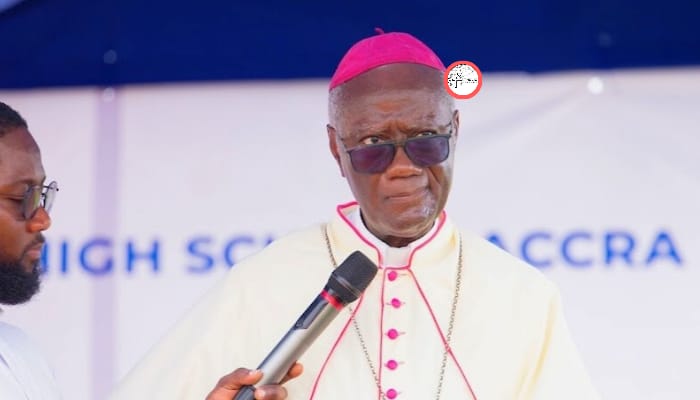
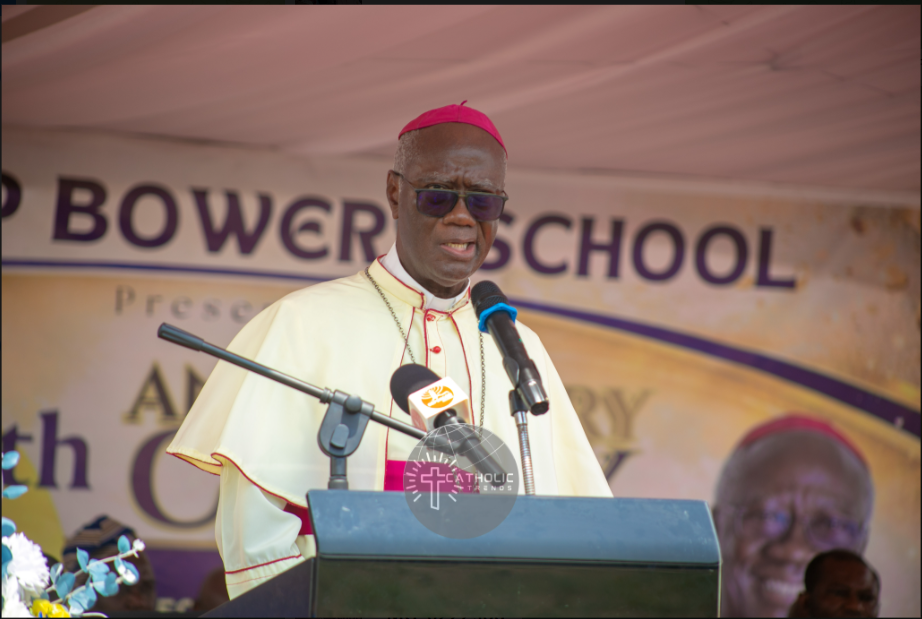
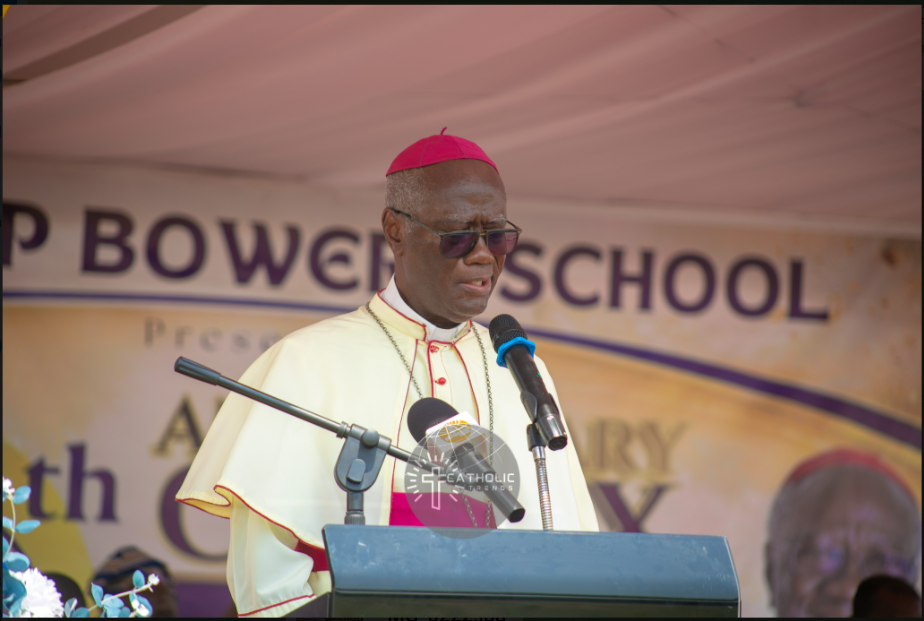
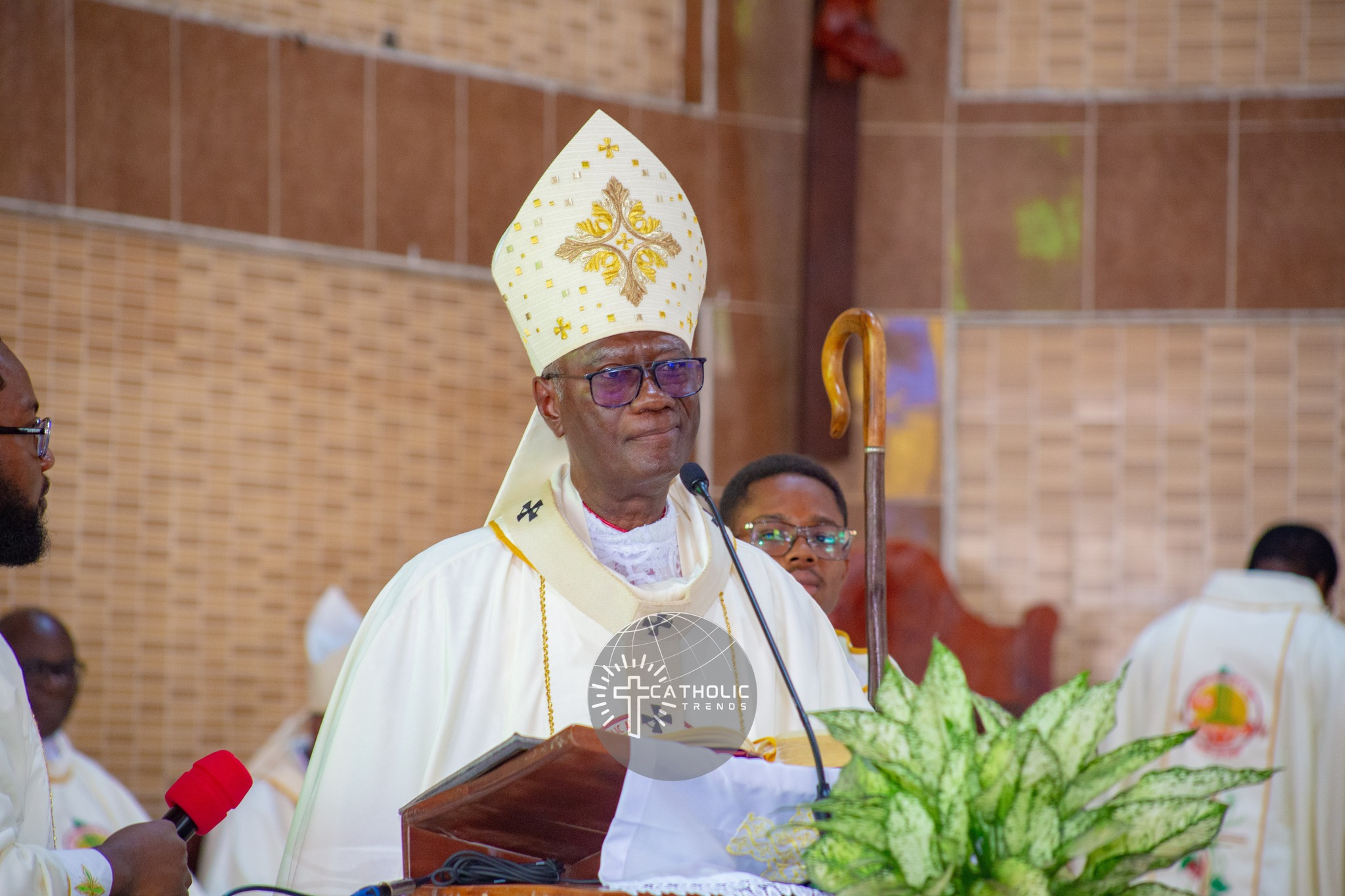
A call for technology to be guided by conscience and moral responsibility took centre stage at the 76th Anniversary Speech and Prize-Giving Day of St. Mary’s Senior High School (SMASCO), Korle Gonno, as the Metropolitan Archbishop of Accra, Most Rev. John Bonaventure Kwofie, urged stakeholders to ensure that digital literacy serves humanity rather than undermines it.
Delivering a solidarity message on the theme, “Cultivating Excellence through Digital Literacy for a Purposeful Tomorrow: The Roles of Stakeholders,” Archbishop Kwofie stressed that digital literacy must extend beyond technical proficiency to include moral formation.
He observed that the contemporary world is one in which technology is reshaping economies, redefining communication and transforming how knowledge is created and shared, making digital literacy foundational rather than optional.
“Excellence in digital literacy is not merely about amassing devices or navigating platforms. It is about forming disciplined minds, instilling conscience and raising responsible leaders who will use technology to advance society rather than diminish it,” he stated.
He underscored that a purposeful tomorrow will not arise simply from access to technology, but through the integration of intellectual, moral and faith formation, ensuring that ethical principles and technological innovation work together to promote human dignity and the common good.
Outlining the responsibilities of stakeholders, the Archbishop said students must exercise discipline in their use of digital tools; teachers must continually enhance their competencies; parents must offer wise guidance and supervision; and alumni must contribute resources and mentorship to foster innovation.
“The Church, as custodian of faith, morals and mission, must ensure that technological advancement remains anchored in real human values,” he added.
He further noted that excellence in digital literacy requires unity among stakeholders, cautioning that progress cannot flourish amid division. He described as regrettable recent developments that reportedly resulted in actions being taken to the civil court, stating that such situations weigh heavily on many hearts and do not foster the cohesion necessary for growth.
In her keynote address, Dr Millicent Adjei Togoh, an alumna and lecturer, remarked that while digital platforms are widespread, genuine digital literacy remains elusive. She pointed out that although this generation is more connected than any before it, access to technology has not automatically translated into digital competence, particularly in developing countries such as Ghana.
“We scroll, post and consume, however, the real question is are we creating? Are we building?” she asked, encouraging students to identify challenges within their communities and apply digital knowledge to offer meaningful solutions.
She also warned against the unethical use of Artificial Intelligence and called for responsible engagement with emerging technologies.
In a speech read on his behalf by his wife, SMOGAN Cynthia Vanderpuije, the Member of Parliament for Ablekuma South, Mr Alfred Okoe Vanderpuije, stated that the Ministry of Education remains committed to prioritising digital education, ICT integration, teacher capacity building, infrastructure development and curriculum reforms. However, he noted that government policy alone is insufficient and encouraged alumni to reinvest in the school’s development.
He acknowledged the school’s need for an additional classroom block and dormitory block, pledging to engage the appropriate authorities to address the matter. He also presented an undisclosed sum to support the school and urged students to embrace digital tools to enhance their studies.








Discussion about this post