


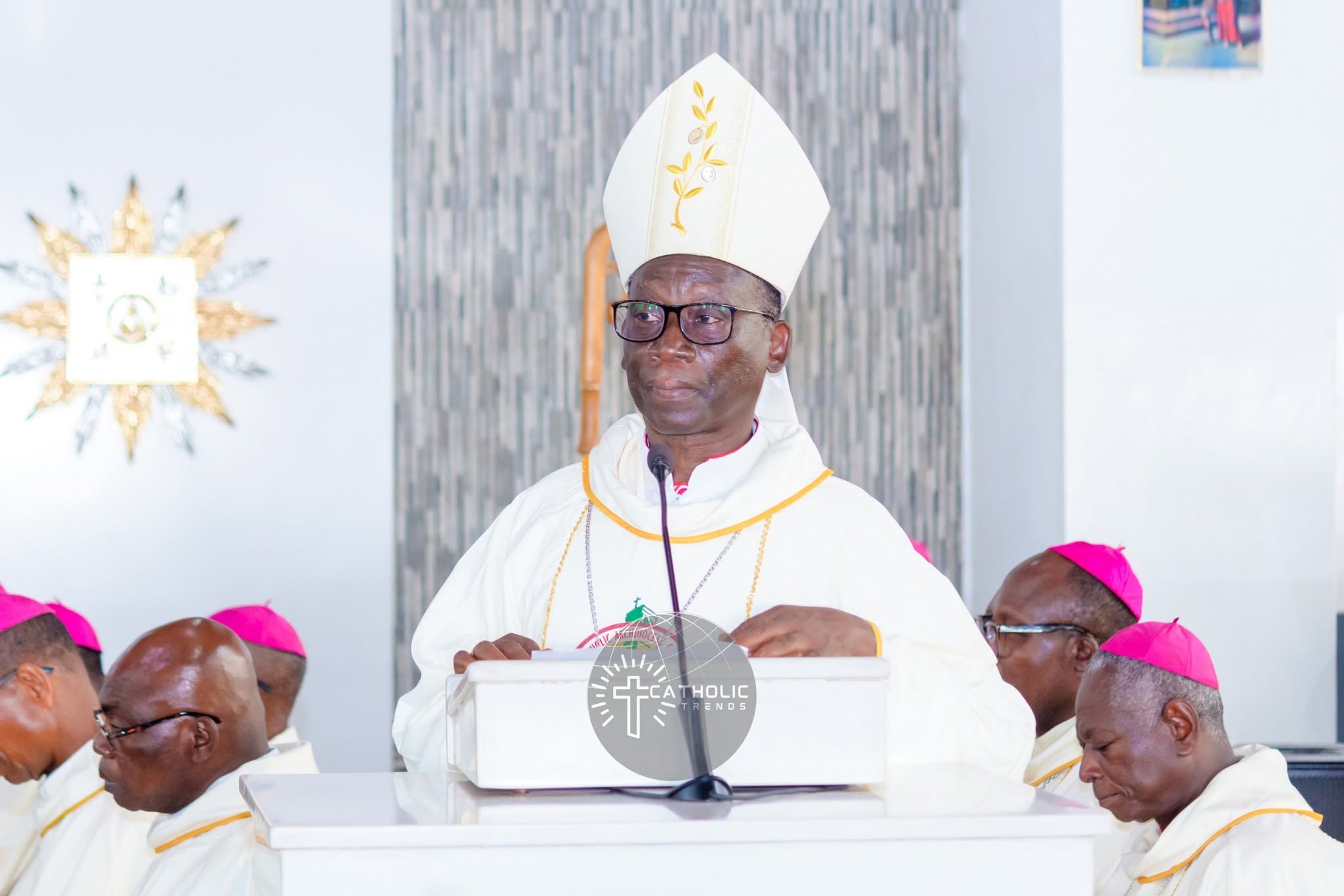
The Ghana Catholic Bishops’ Conference has expressed concern over difficulties surrounding the ongoing Senior High School (SHS) placement exercise, including allegations that parents are being asked to pay money to secure places for their children.
In a statement issued on Monday, September 14, 2026, the Bishops said the recurring difficulties in the placement process point to the need for greater transparency, accountability and an independent review of the computerised system.
“We are especially troubled by allegations that parents are asked to pay money to secure places for their children,” the Bishops said.
They stressed that if placement is meant to be free, “no official, agent, or intermediary should request or accept payment for it.”
The Bishops called for such allegations to be investigated, with those found responsible facing disciplinary measures and, where warranted, criminal charges. However, they cautioned that unproven accusations should not damage the reputations of honest public servants.
The Conference also raised concerns about so-called “protocol” admissions, calling for clarity on the legal basis for such arrangements, the number of places involved, the criteria applied and who is responsible.
“No placement system can inspire confidence if parents believe that money, connections, or influence can secure places unavailable to more deserving but less privileged children,” they said.
Concerns over placement outcomes
The Bishops noted that 604,567 candidates qualified for placement this year, with 527,932 placed when the results were released.
While acknowledging that placement depends partly on academic performance, programme choice, boarding or day preference and available spaces, they said outcomes should be understandable and demonstrably fair.
They expressed concern over complaints that some students have been placed in schools unsuited to their sex, disability, circumstances or location.
The Bishops particularly stressed that students should not be placed in day schools so far from home that daily attendance becomes unreasonable, costly or unsafe. They also called for students with disabilities to be placed in schools equipped to meet their needs and for genuine errors to be corrected quickly through accessible channels.
Bishops demand clarity on mission school admissions
The Conference also renewed its call for the implementation of its decision to reserve 20 per cent of admissions to Catholic mission schools for Catholic candidates.
The Bishops said the decision was reached at the National Catholic Education Forum in Koforidua in 2025 and is “not a fresh proposal but a call for the implementation of a decision already taken.”
They said many priests and bishops have reported that parents seek help securing places in Catholic schools, but the places provided for under the decision are often unavailable.
The Conference argued that the reservation is intended to enable Catholic schools to maintain a meaningful number of students who can participate in the religious and moral formation central to their purpose.
However, the Bishops stressed that the arrangement “is not a private privilege or patronage” and must be administered transparently through the proper Boards of Governors and diocesan education offices.
They said it should be subject to annual audit and must “strictly prohibit any exchange of money.”
Call for Missions-State agreement
The Bishops also called for the long-discussed agreement between the government and Churches on the management of mission schools to be concluded and signed without further delay.
According to the Conference, the agreement should define responsibilities for admissions, governance, appointment of head teachers, religious and moral formation, discipline, buildings and accountability, while securing an appropriate role for the founding Churches in protecting the distinct identity of their schools.
The Bishops said they are instructing the National Catholic Secretariat’s education office to prepare a clear plan for implementing the 20 per cent Catholic admissions decision across Catholic schools.
Independent review and stronger appeals process
The Conference called for the placement system to be examined by independent technical experts, with the main findings made public.
It said families should be able to understand the key factors determining placement, including examination scores, programme choices, relevant cut-offs or rankings and available places.
The Bishops also called for a strong and accessible appeals process with clear steps and time limits. Cases involving sex, disability, medical needs, serious distance difficulties or administrative errors, they said, should receive priority.
They further suggested that government consider appointing an independent official to resolve complaints that cannot be settled through ordinary channels.
The Bishops urged government to review school categories periodically and invest more in buildings, teachers, laboratories and learning materials to distribute quality education more evenly and reduce pressure on the most sought-after schools.
They also called for timely and accurate information for parents and regular consultation among government, the placement body, Churches, schools, parents and education experts before major changes are introduced.
The Conference said the ultimate goal should be a placement system that is open, accountable, humane and merit-based.
“Technology can serve justice, but it cannot replace human responsibility or determine whether an outcome is educationally sound or morally right,” the Bishops said.
They called on government to review the placement system, conclude the Missions-State agreement, protect the identity of mission schools, ensure openness in admissions, end improper protocol arrangements and strengthen the appeals process.
“The goal must be a system in which merit, choice, fairness, and above all the good of the child determine who is admitted where,” the statement added.






Discussion about this post