


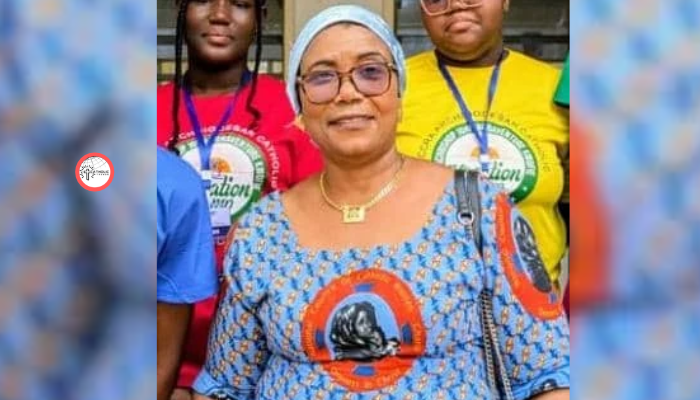
The Accra Archdiocese Council of Catholic Women (AACCW) has expressed concern over growing incidents of sexual abuse, harassment, bullying and exploitation of children in schools, homes and communities.
The Council is also raising alarm over cases of incest and sexual abuse within families, including incidents involving fathers abusing their own daughters, describing such acts as grave violations of children’s rights, dignity and safety.
In a statement shared with Catholic Trends, the Catholic women’s organisation insisted that sexual abuse is a crime and must not be treated as a disciplinary matter.
“Sexual abuse is a crime; not a disciplinary matter. It is a child protection, justice, human rights and national responsibility,” the statement said.
The Council called for prompt, professional and thorough investigations into allegations of sexual abuse, insisting that schools must remain places of learning, safety, dignity and opportunity rather than fear.
It further stressed that perpetrators must be held accountable through due process, regardless of their positions, influence or connections. Those who obstruct investigations, intimidate complainants or destroy evidence should also face accountability.
The organisation urged authorities to provide survivors and witnesses with confidential, child-friendly reporting channels, medical care, psychosocial support, legal assistance and protection from threats, stigma and retaliation.
The Council also encouraged victims and concerned persons to report cases of sexual abuse, assuring them that the Ministry of Gender, Children and Social Protection (MGCSP) has the capacity to protect and support children who have experienced abuse.
It urged the public to report cases confidently to DOVVSU, the regional offices of the MGCSP, and Diocesan and Parish Catholic Women Councils across the country for support and advice.
It also called on society to recognise that boys, alongside girls, can be victims of sexual abuse and exploitation, urging families, churches and communities to take responsibility for protecting every child.
The Council specifically drew attention to the abuse of boys, including cases of sodomy in schools and communities, insisting that boys must receive equal protection from all forms of sexual abuse and exploitation.
The Council further called for all child abuse cases, including cases involving unaccompanied and abandoned children, to be reviewed and subjected to appropriate processes to ensure that no child is left to suffer in silence.
On institutional accountability, the Catholic women urged the Ghana Education Service (GES) and other relevant institutions to publish periodic, anonymised information on complaints received, investigations conducted, case outcomes and safeguarding reforms.
It also called for parliamentarians and oversight bodies to be equipped with the necessary knowledge to identify and assess allegations, monitor institutional responses and demand appropriate corrective action.
Reaffirming its commitment to child protection, the Council said creating safe environments in homes, schools and communities should be treated as a fundamental national obligation rather than a privilege.
“Their bodies are not bargaining tools,” the statement stressed, underscoring the need to protect children from abuse and exploitation.
The Council’s intervention adds to growing calls for stronger safeguarding systems and accountability in addressing sexual abuse and exploitation, particularly in institutions and environments where children should feel protected.


Discussion about this post