Advert Advert Advert
ADVERTISEMENT
Wednesday, November 25, 2026
Catholic Trends
  • Home
  • News
    • Ghana
    • Africa
    • International
    • Health & Education
  • Articles
  • Prayers
  • Media
    • CT Radio
    • Video
  • Letters
  • Statements
No Result
View All Result
  • Home
  • News
    • Ghana
    • Africa
    • International
    • Health & Education
  • Articles
  • Prayers
  • Media
    • CT Radio
    • Video
  • Letters
  • Statements
No Result
View All Result
Catholic Trends
No Result
View All Result

What is Ash Wednesday? Meaning, history, and Catholic traditions explained

Catholic Trends by Catholic Trends
February 18, 2026
in Article
Reading Time: 2 mins read
A A
0
What is Ash Wednesday? Meaning, history, and Catholic traditions explained
682
VIEWS
Share on FacebookShare on WhatsApp Share on X Share on Telegram
Catholic Trends WhatsApp Channel Catholic Trends WhatsApp Channel Catholic Trends WhatsApp Channel
ADVERTISEMENT

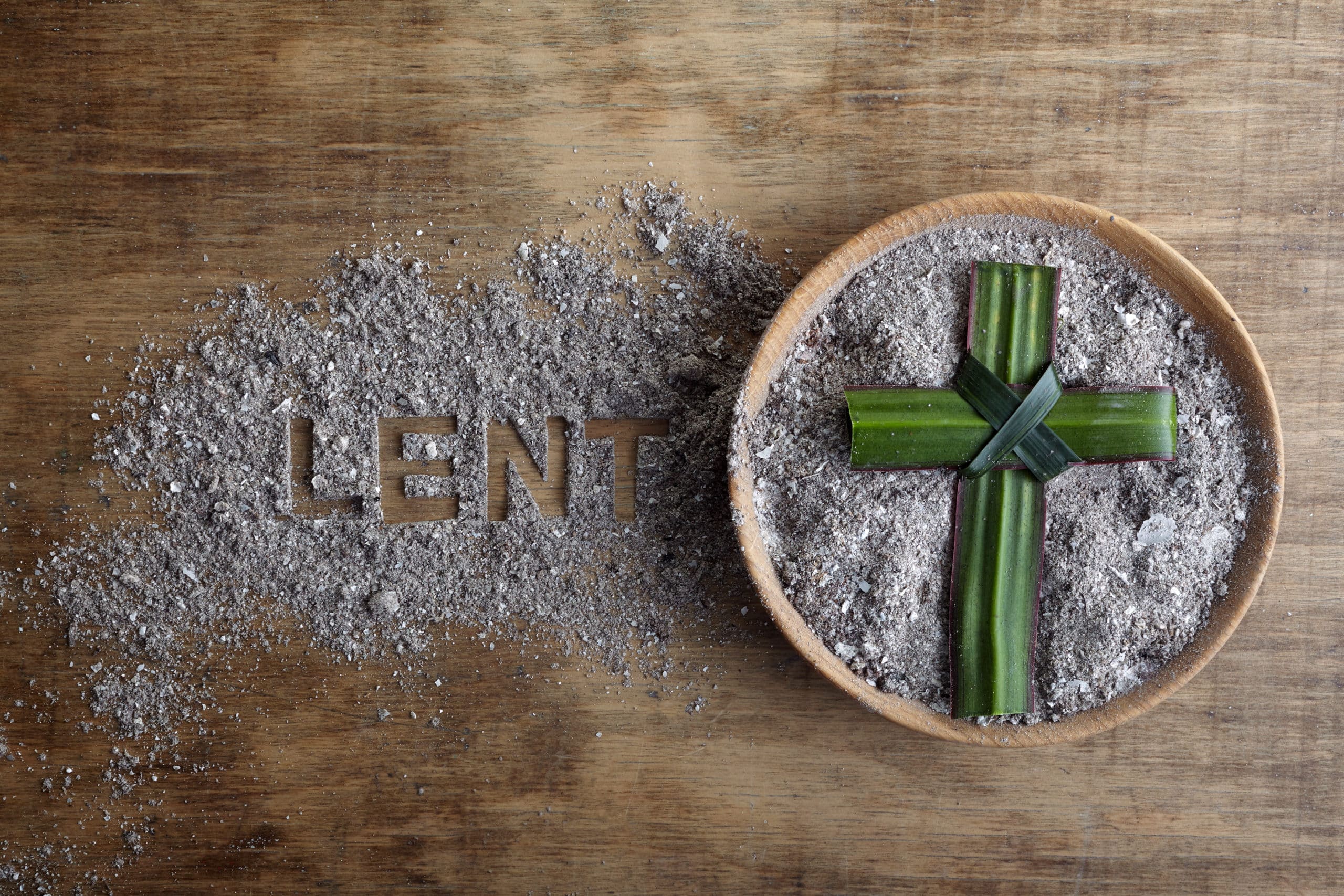
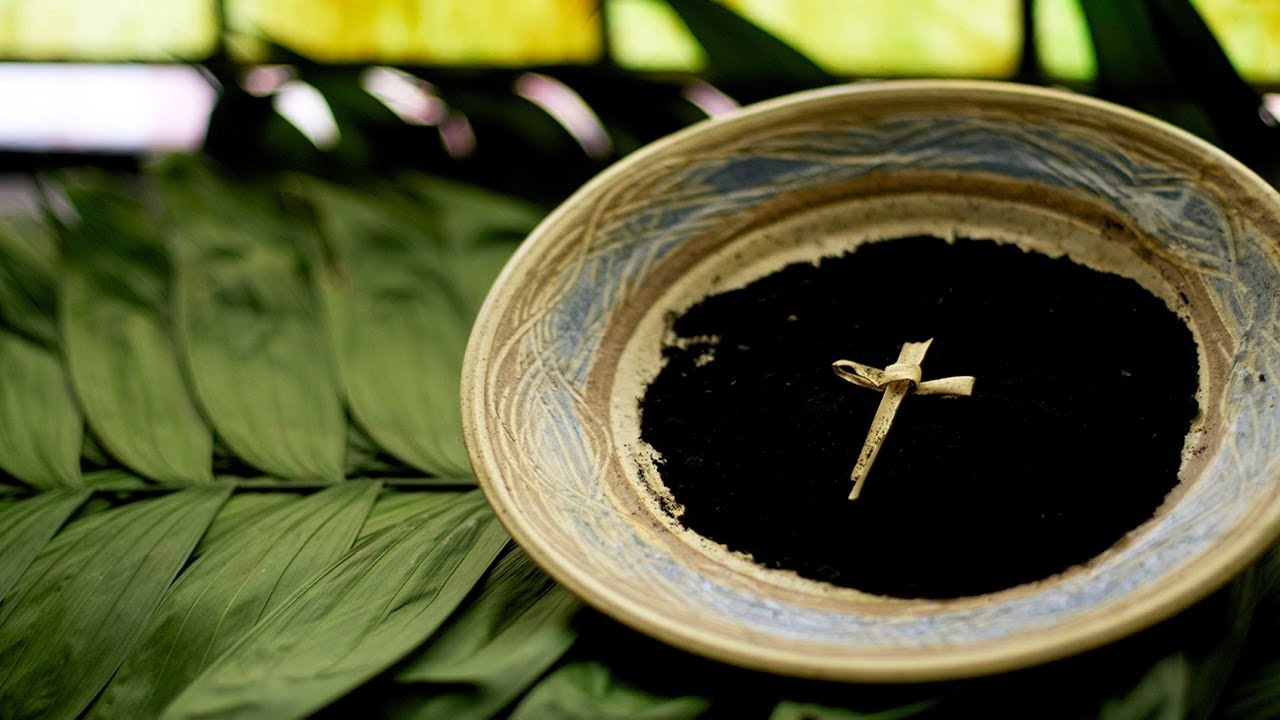
Ash Wednesday marks the beginning of the season of Lent. Lent is a forty (40) day period of fasting, praying and abstinence. It is also known as the Day of Ashes. It is called so because on that day at church the faithful have their foreheads marked with ashes in the shape of a cross.

The name Day of Ashes comes from “Dies Cinerum” in the Roman Missal and is found in the earliest existing copies of the Gregorian Sacramentary. The celebration originated by the Roman Catholics around the 6th century. Though the exact origin of the day is not clear, the custom of marking the head with ashes on this Day is said to have originated during the papacy of St Gregory the Great who ruled the Church from 590 AD – 604 AD.

In the Old Testament, ashes were used for two purposes

1. as a sign of humility and mortality.

2. as a sign of sorrow and repentance for sin.

The Christian connotation for ashes in the liturgy of Ash Wednesday was taken from the Old Testament custom.

RelatedPosts

Echoes of Lent: A call to move, reconcile, and transform

Ash Wednesday 2026: Where and when to attend Mass near you in the Archdiocese of Accra

Receiving ashes on the head as a reminder of mortality and a sign of sorrow for sin was a practice of the Anglo-Saxon church in the 10th century. It was made universal throughout the Western church at the Synod of Benevento in 1091.

Originally, the use of ashes as a sign of penance was a matter of private devotion. Later, it became part of the official rite for reconciling public penitents. In this context, ashes on the penitent served as a motive for fellow Christians to pray for the returning sinner and to feel sympathy for him or her.

Putting a ‘cross’ mark on the forehead was in imitation of the spiritual mark or seal that is put on a Christian in baptism. This is when the newly born Christian is delivered from slavery to sin and the devil, and made a slave of righteousness and Christ (Rom. 6:3-18).

“And the LORD said to one of the four cherubim, ‘Go through the city, through Jerusalem, and put a mark upon the foreheads of the men who sigh and groan over all the abominations that are committed in it.’ And to the others he said in my hearing, ‘Pass through the city after him, and smite; your eye shall not spare, and you shall show no pity; slay old men outright, young men and maidens, little children and women, but touch no one upon whom is the mark. And begin at my sanctuary.’ So they began with the elders who were before the house.” (Ezekiel 9:4-6)

The early Church Fathers seized on this connection and expounded it in their homilies, seeing in Ezekiel a prophetic foreshadowing of the sealing of Christians as servants of Christ. It is also part of the background to the Catholic practice of making the sign of the cross, which in the early centuries as was documented from the second century on was practiced by using one’s thumb to furrow one’s brow with a small sign of the cross like Catholics do today at the reading of the Gospel during Mass.

So on Ash Wednesday, during the signing of the cross of the ash on our forehead, the priest says “remember you are dust and dust you shall return”, Gen 3:19 or “repent and believe in the Gospel”. Mark 1:15″.

May our Lenten Season bear fruits. Amen

Source:
Rocalli
Tags: Ash WednesdayLent
ShareSendTweetShare
ADVERTISEMENT
Previous Post

Ash Wednesday 2026: Where and when to attend Mass near you in the Archdiocese of Accra

Next Post

[Full Text] Statement by the Ghana Catholic Bishops’ Conference on the exposure of institutionalised corruption in illegal mining operations

Related Posts

Echoes of Lent: A call to move, reconcile, and transform

Echoes of Lent: A call to move, reconcile, and transform

March 26, 2026
Ash Wednesday 2026: Where and when to attend Mass near you in the Archdiocese of Accra

Ash Wednesday 2026: Where and when to attend Mass near you in the Archdiocese of Accra

February 17, 2026
Next Post
Full text: Ghana Catholic Bishops’ Conference’ paper on draft bill on homosexuality in Ghana

[Full Text] Statement by the Ghana Catholic Bishops’ Conference on the exposure of institutionalised corruption in illegal mining operations

Ghana’s Catholic Bishops call for urgent education reforms

[Full Text] Statement by the Ghana Catholic Bishops’ Conference on safeguarding sacred space: a pastoral directive on political neutrality

Discussion about this post

Daily Reading

Wednesday of the Thirty-fourth week in Ordinary Time

Book of Revelation 15,1-4.

I, John, saw in heaven another sign, great... and awe-inspiring: seven angels with the seven last plagues, for through them God's fury is accomplished.
Then I saw something like a sea of glass mingled with fire. On the sea of glass were standing those who had won the victory over the beast and its image and the number that signified its name. They were holding God's harps,
and they sang the song of Moses, the servant of God, and the song of the Lamb: "Great and wonderful are your works, Lord God almighty. Just and true are your ways, O king of the nations.
Who will not fear you, Lord, or glorify your name? For you alone are holy. All the nations will come and worship before you, for your righteous acts have been revealed."

Psalms 98(97),1.2-3ab.7-8.9.

Sing to the LORD a new song,
for he... has done wondrous deeds;
His right hand has won victory for him,
his holy arm.

The LORD has made his salvation known:
in the sight of the nations he has revealed his justice.
He has remembered his kindness and his faithfulness
toward the house of Israel.

Let the sea and what fills it resound,
the world and those who dwell in it;
Let the rivers clap their hands,
The mountains shout with them for joy before the LORD.

The LORD comes,
He comes to rule the earth;
He will rule the world with justice
And the peoples with equity.

Holy Gospel of Jesus Christ according to Saint Luke 21,12-19.

Jesus said to the crowd: “They will seize... and persecute you, they will hand you over to the synagogues and to prisons, and they will have you led before kings and governors because of my name.
It will lead to your giving testimony.
Remember, you are not to prepare your defense beforehand,
for I myself shall give you a wisdom in speaking that all your adversaries will be powerless to resist or refute.
You will even be handed over by parents, brothers, relatives, and friends, and they will put some of you to death.
You will be hated by all because of my name,
but not a hair on your head will be destroyed.
By your perseverance you will secure your lives."


Copyright © Confraternity of Christian Doctrine, USCCB
To receive the Gospel every morning in your mailbox, subscribe here: dailygospel.org

Go to Daily Readings

Vatican News

  • Home
  • CT Radio
  • TV
  • Contact
  • About Us
  • Careers
  • Privacy Policy

© 2025 Trends Media Foundation LBG

imunify-bot-check
No Result
View All Result
  • News
    • Ghana
    • Africa
    • International
    • Health & Education
  • Articles
    • Statements
    • Letters
  • Media
    • CT Radio
    • Video
  • Prayers
  • About Us
    • Contact

© 2025 Trends Media Foundation LBG