


RelatedPosts
Ghana’s Catholic Bishops have outlined their priorities for pastoral ministry in 2026, placing emphasis on youth formation, women’s leadership, clergy support and administrative reform.
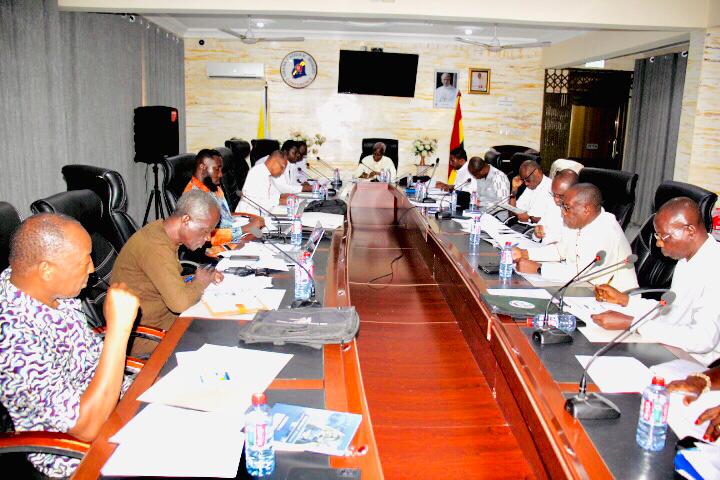
In a post on its social media platforms, the Ghana Catholic Bishops’ Conference said the Episcopal Committee of the Department of Pastoral Ministry and Evangelization met in Accra on 9 February to deliberate on action plans submitted by its commissions, directorates and units.
The meeting, held at the National Catholic Secretariat, brought together bishops, secretaries, directors and chaplains. It was aimed, the Conference said, at “setting the tone for a collaborative and integrated approach to evangelization for the year ahead.”
Among the key decisions was a move to draft a policy document on the leadership of women’s groups in the Church. The proposal, which will be presented to the Bishops for approval, is intended to “create pathways for the participation of young women” in leadership.
The Committee also agreed that youth wings of women’s groups must register with the Ghana National Catholic Youth Council (GHANCYC) to benefit from formation under the New Integrated Catholic Youth Formation Programme (NICYFOP).
On formation, the bishops encouraged young people to enrol in a 12-week online Biblical Apostolate Programme. They further agreed to invite Bible scholars from seminaries to place “their scholarship at the service of the Biblical Apostolate,” describing it as an effort to bridge academic theology and practical evangelisation.
Priests were urged to increase contributions to the St Peter the Apostle Fund to support seminary formation. The Committee also stressed the need to take preparation for Holy Matrimony seriously, calling for renewed training of marriage counsellors to strengthen family life.
The welfare of Catholic chaplains serving in the Security Services was discussed, with the Committee pledging to look into their concerns. It also resolved to take legal steps to secure land belonging to the National Council of Catholic Women (NCCW) at Dodowa.
In what the Conference described as a forward-looking administrative decision, the Committee announced that from 2027, action plans for its first meeting of the year will be submitted virtually. However, physical meetings will continue later in the year for the presentation of implementation reports, to ensure accountability and collaboration.
The meeting ended with what the Conference called “a collective commitment” to implement the agreed resolutions in support of the Church’s evangelising mission in 2026.






Discussion about this post