


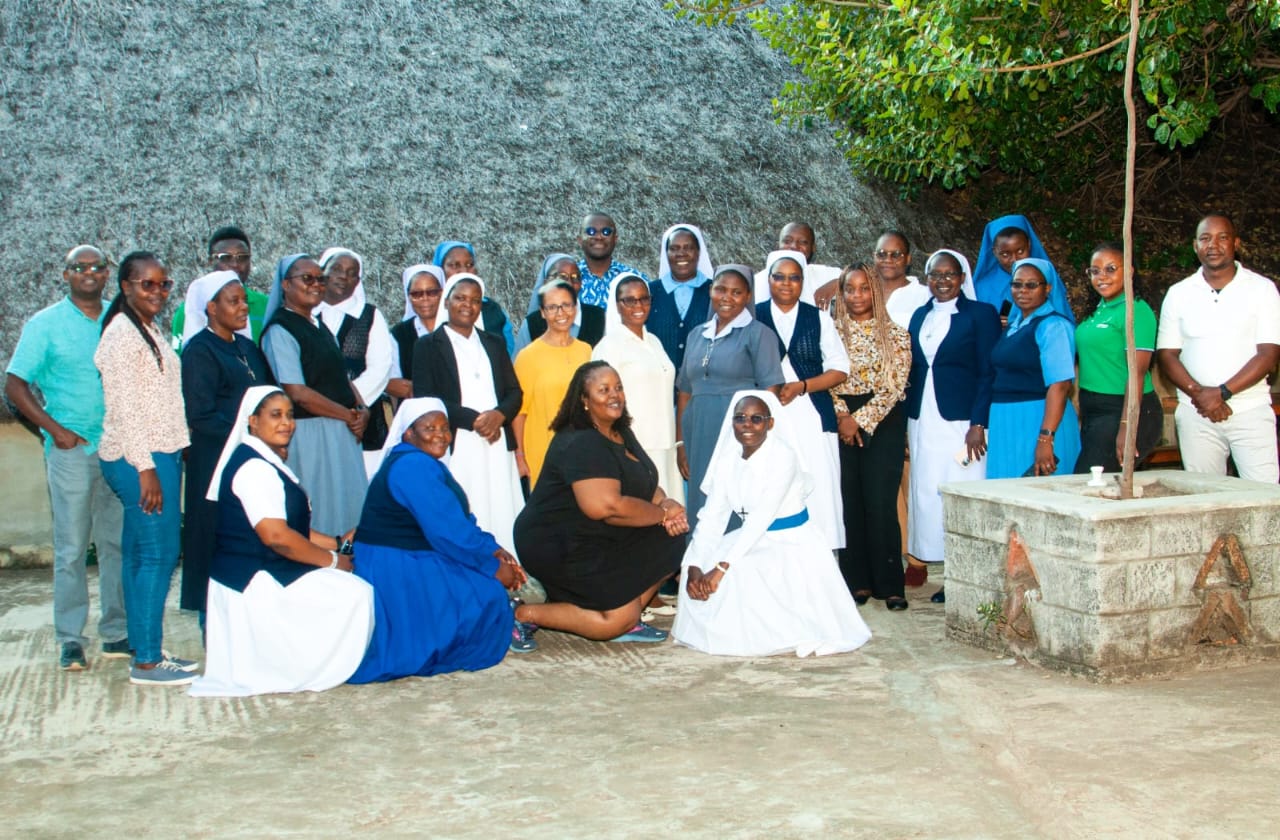
A regional early childhood development programme is helping strengthen child protection, family relationships and household resilience across Ghana, Kenya, Malawi, Tanzania and Zambia.
The SCORE ECD programme brings together interventions in nurturing care, child protection, disability inclusion, climate resilience, family strengthening and household economic resilience, while working with government and community structures to improve support for young children and their families.
Progress and lessons from the programme were shared during a regional learning webinar organised by the Association of Consecrated Women in Eastern and Central Africa (ACWECA) and Catholic Relief Services (CRS), with funding from the Conrad N. Hilton Foundation.
Participants from the five countries shared experiences from implementation, highlighting changes in families and communities as well as challenges that continue to affect access to quality early childhood development services.
Climate action strengthening household resilience
Climate-related interventions have helped families improve food security and nutrition while becoming better prepared for environmental challenges.
Activities including kitchen gardening, tree planting, agroforestry and rainwater harvesting have provided practical ways for households to strengthen their resilience and improve access to food.
The programme’s approach recognises that children’s wellbeing is closely connected to the conditions in which their families live. Supporting caregivers to build more resilient households therefore forms an important part of efforts to improve outcomes for children.
Strengthening families and involving fathers
The SMART Couples initiative has also contributed to changes in family relationships.
Participants reported improvements in communication and joint decision-making, alongside greater sharing of parenting responsibilities and increased involvement of men in childcare.
The changes highlight the importance of engaging both mothers and fathers in efforts to create nurturing environments for children.
Household economic resilience has also been strengthened through Savings and Internal Lending Communities (SILC) groups.
Through the groups, caregivers have been able to save money, access loans and invest in small businesses. The additional financial support has helped families meet education and healthcare needs and respond to emergencies.
Greater focus on child protection and inclusion
Child protection and safeguarding interventions have increased awareness of children’s rights and strengthened referral systems for children who require additional support.
Collaboration with government institutions and community structures has also helped promote safer environments for children.
The programme has placed particular emphasis on children with disabilities. Inclusive early childhood development interventions have contributed to greater acceptance of children with disabilities, improved early identification and referrals, and helped reduce stigma.
However, participants acknowledged that significant barriers remain, including poverty, transportation difficulties and cultural beliefs that can affect access to services and support.
Partnerships remain critical
Strong collaboration with government departments, health facilities, schools and community leaders has been central to the programme’s implementation.
These partnerships have helped strengthen referrals, improve service delivery and connect vulnerable children and families with appropriate support.
The programme has also used its Monitoring, Evaluation, Accountability and Learning (MEAL) system to strengthen accountability and the use of evidence in decision-making.
The system has enabled participating congregations to track progress, identify gaps in implementation and make adjustments aimed at improving programme quality.
Participants at the webinar stressed the importance of continuing to build capacity, provide mentorship, improve data quality and regularly review MEAL findings.
They also called for greater documentation of successful approaches and lessons that can inform future early childhood development interventions.
Sustaining the gains
The regional learning webinar highlighted the potential of an integrated approach to early childhood development. One that looks beyond the child alone to the family, household and wider community.
Across the five countries, the SCORE ECD programme is contributing to improvements in child wellbeing and protection, family relationships, household resilience and community engagement.
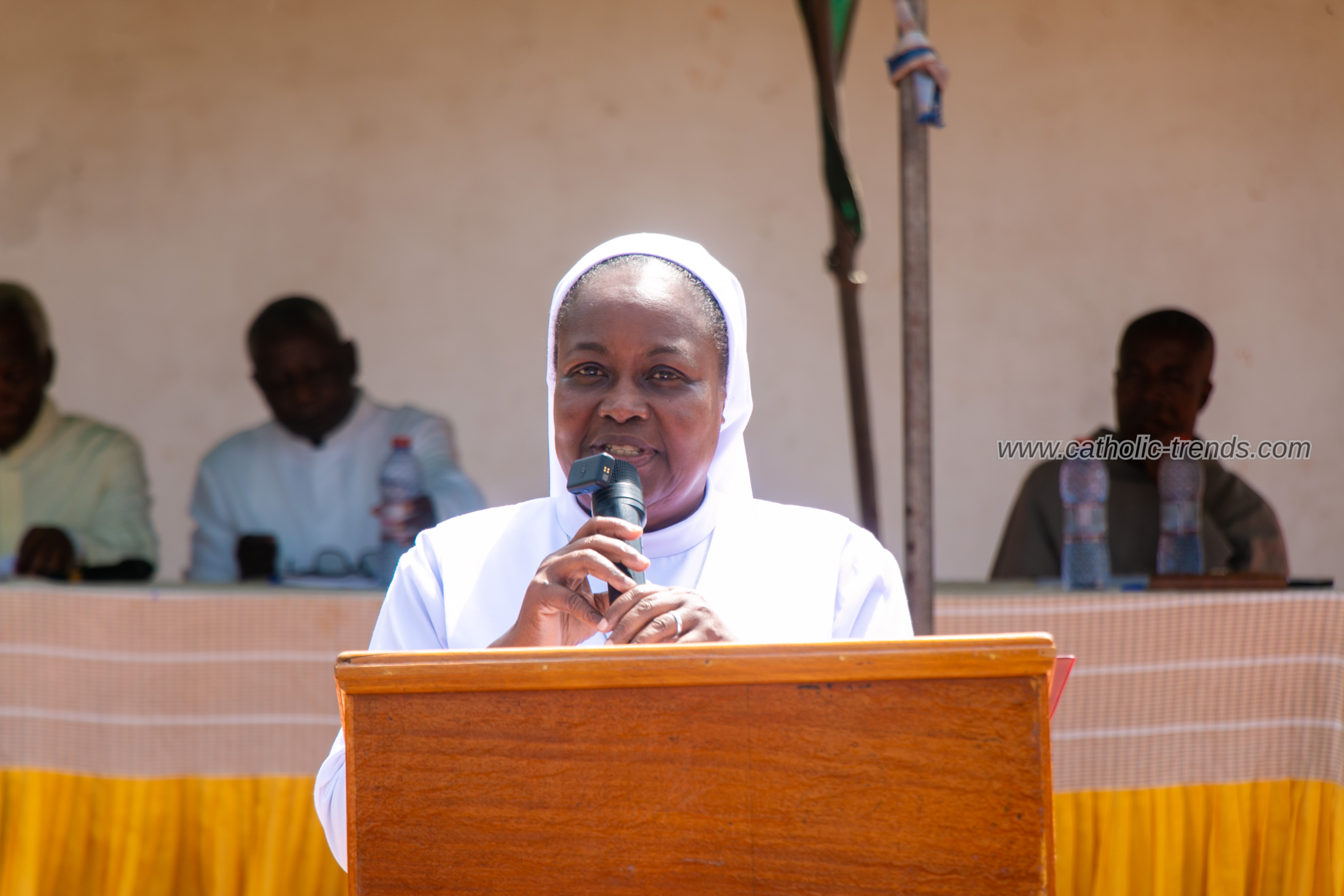
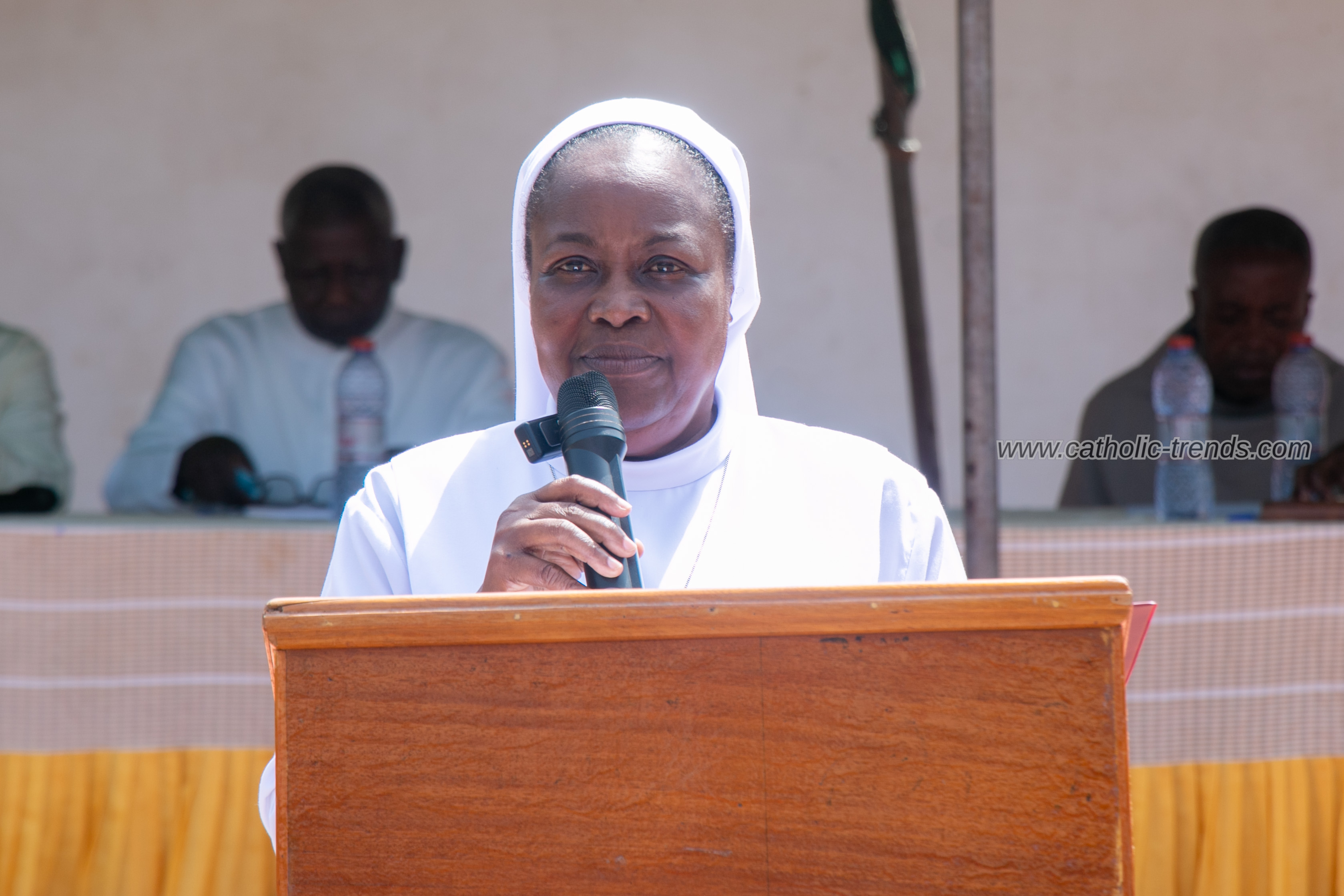
Sr Pauline Silver, the regional project coordinator, said sustaining these gains would require continued collaboration among stakeholders, ongoing learning and adaptive programming.
She emphasised the need for a sustained commitment to delivering high-quality and inclusive early childhood development services for children and their families.
The experience across Ghana, Kenya, Malawi, Tanzania and Zambia demonstrates the importance of linking child development with family support, economic resilience, protection and community participation in building stronger environments for children to grow and thrive.









Discussion about this post