


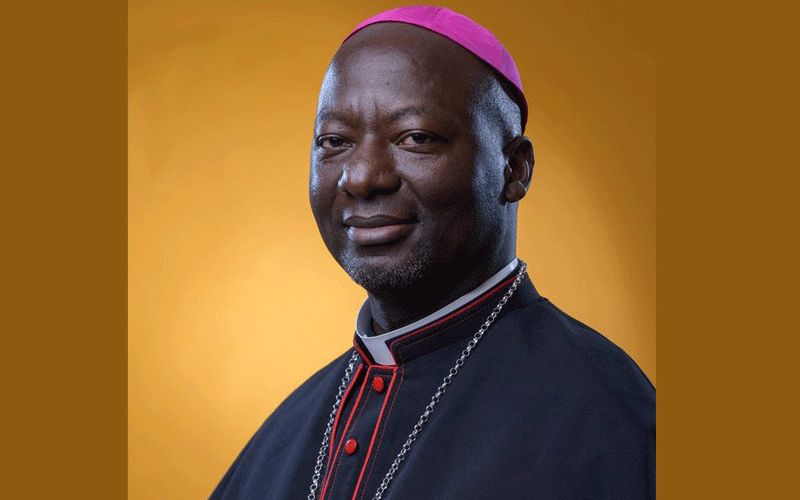
In a statement issued on October 12, 2026, Bishop Joseph Mary Kizito, Liaison Bishop for Migrants, Refugees and Human Trafficking of the SACBC, expressed concern about hostility towards asylum seekers and the risk of attacks on refugee reception centres.
The statement follows a Constitutional Court ruling delivered on July 7, 2026, concerning the right to seek asylum in South Africa. The ruling followed legal action by the Scalabrini Centre of Cape Town over barriers preventing asylum seekers from accessing the asylum process.
The SACBC’s Office for Migrants, Refugees and Human Trafficking welcomed the ruling and called on the Department of Home Affairs and other stakeholders to support its implementation.
According to the statement, the ruling provides an opportunity for people seeking protection to approach the Department of Home Affairs, present their circumstances and have their applications processed in accordance with the law.
However, the office identified administrative challenges, limited staff capacity, inadequate communication and misinformation about the court order as factors complicating its implementation.
It called on the Department of Home Affairs to strengthen its capacity, improve communication about the ruling and ensure asylum seekers can access the relevant offices to lodge their applications.
The SACBC expressed concern about the risk of attacks on refugee reception centres and people seeking to access these facilities.
It called on community groups, including those organising marches and protests against undocumented migrants, to reject violence and intimidation and support lawful processes for migrant documentation and the consideration of asylum applications.
“Attacking reception centres or obstructing asylum seekers from approaching the Department of Home Affairs undermines the rule of law and denies people the opportunity to have their circumstances heard,” the statement said.
The bishops acknowledged that communities have concerns about migration but insisted that these must be addressed through lawful, constructive engagement with government.
They also called on the state to fulfil its responsibility to manage migration effectively, strengthen its administrative capacity and ensure that immigration and asylum laws are properly implemented.
The statement stressed that asylum seekers must have sufficient opportunity to register their claims and have their cases considered fairly.
“Those who qualify for protection should receive it in accordance with the law, while those whose claims do not meet the legal requirements should have their cases resolved through the appropriate procedures,” the statement said.
The SACBC reaffirmed the Church’s commitment to the inherent dignity of every human person, warning against allowing misinformation, frustration or hostility to compromise the rights of vulnerable people.
“As a Church, we reaffirm that every human person possesses inherent dignity. Giving asylum seekers an opportunity to tell their stories does means that each case must be considered fairly and in accordance with the law,” the statement said.
The bishops urged government, civil society, community organisations and the public to support the implementation of the court ruling and ensure that the asylum system functions effectively.
“Let us not defeat justice by denying people the opportunity to be heard. Instead, let us work together to ensure that the asylum system functions effectively, that those who genuinely need protection receive it and that those who do not qualify are dealt with through lawful procedures,” the statement said.
The statement also congratulated Judge Navanethem ‘Navi’ Pillay, whom it identified as the recipient of the 2026 Nobel Peace Prize, recognising her lifelong commitment to prosecuting genocide and war crimes.
It said her work challenges society to uphold the dignity of every person and respect the rights enshrined in the Constitution.
The bishops said the court ruling and the recognition of Pillay’s work invite South Africans to reflect on their commitment to human dignity, the rule of law and the protection of human rights. “The dignity of every person demands no less,” the statement said.







Discussion about this post