


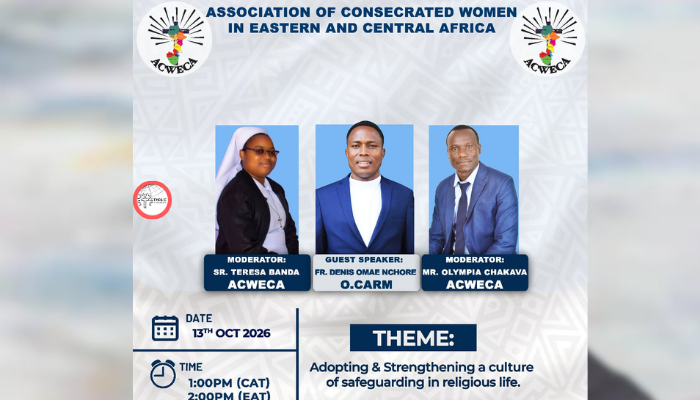
The call was made during a regional online training held on 13 October 2026 under the theme “Adopting and Strengthening a Culture of Safeguarding in Religious Life and the Communities We Serve.”
The training brought together consecrated women and other participants from across Africa to reflect on their shared responsibility to create safe, respectful and caring environments within religious communities and the wider communities they serve.
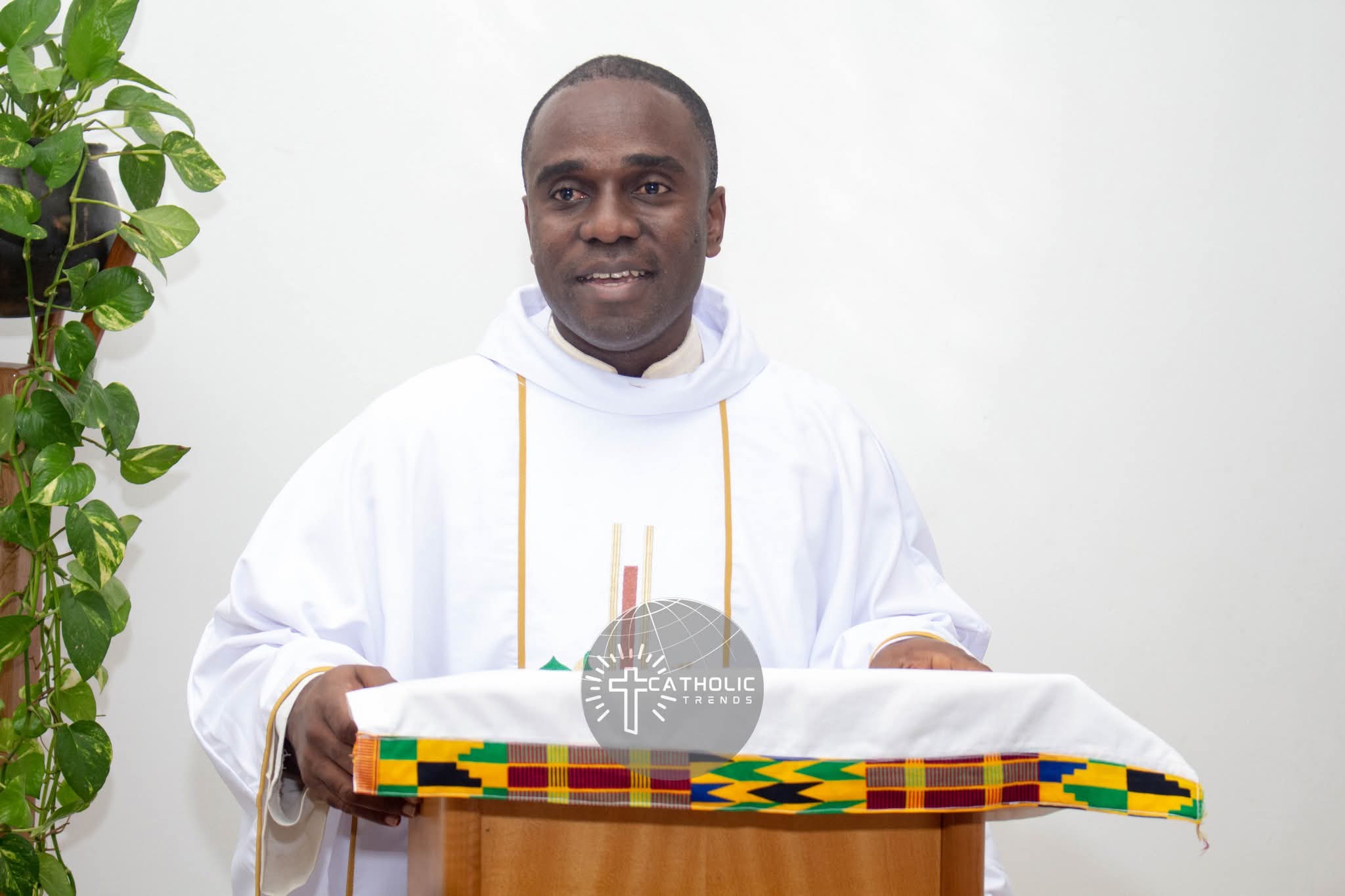
Facilitated by Carmelite priest Fr. Denis Omae Mchore, the session examined safeguarding as an essential expression of the Church’s mission and commitment to the dignity of every person.
Fr. Mchore stressed that safeguarding is a collective responsibility that demands awareness, prevention, accountability and a willingness to act whenever concerns arise.
He explained safeguarding as the protection of people’s health, well-being, human rights and dignity, enabling them to live free from harm, abuse, exploitation and neglect.
The training also addressed forms of harm that can occur within religious communities, including bullying, harassment and damage to a person’s reputation through rash judgements or false statements. Such behaviours, participants were reminded, can undermine trust and prevent communities from becoming places of genuine belonging, mutual respect and care.
Drawing on the Gospel, the session highlighted Jesus’ welcoming of children and his commandment to love one another as foundations for safeguarding in religious life.
Fr. Mchore emphasised that safeguarding commitments must be reflected in everyday practice and supported by responsible leadership, clear reporting procedures and appropriate responses to concerns.
Participants also examined key safeguarding principles, including empowerment, prevention, proportionality, protection, partnership and accountability.
Putting these principles into practice requires listening to people, taking concerns seriously, responding appropriately and working together to prevent harm. Superiors and members of religious congregations were encouraged to ensure that safeguarding measures are understood, implemented and regularly reviewed.
The discussions also highlighted the need to consider not only the protection of children and vulnerable adults but also the structures and relationships that shape daily life within religious communities.
In her closing remarks, ACWECA Secretary General Sr. Bridgita Samba Mwawasi emphasised the importance of integrating safeguarding into the daily life of religious congregations and the services they provide.
She highlighted the role of responsible leadership, safe environments, accessible reporting channels and continuous learning in building a strong safeguarding culture.
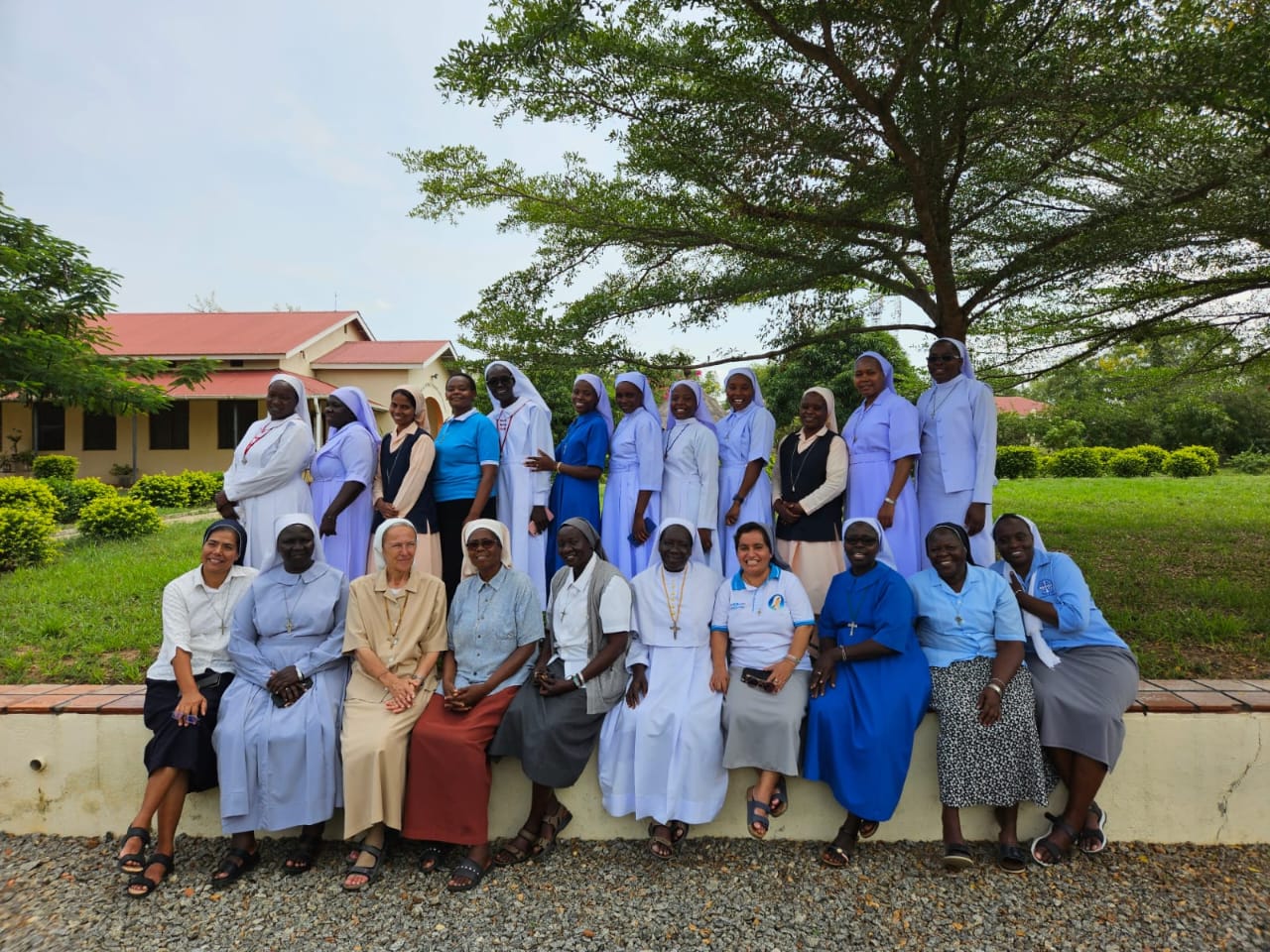
Participants joined the training from ACWECA member countries and other countries, including Ghana, Kenya, Malawi, Tanzania, Zambia, South Sudan, Zimbabwe, Uganda and Ethiopia.
The regional initiative forms part of ACWECA’s efforts to encourage consecrated women to strengthen a culture of care, protection and accountability in religious life and in the communities they serve.





Discussion about this post