


Caritas Ghana is seeking greater financial support from the Catholic faithful and local communities to strengthen its capacity to respond to emergencies, as declining international development funding threatens the sustainability of humanitarian interventions.
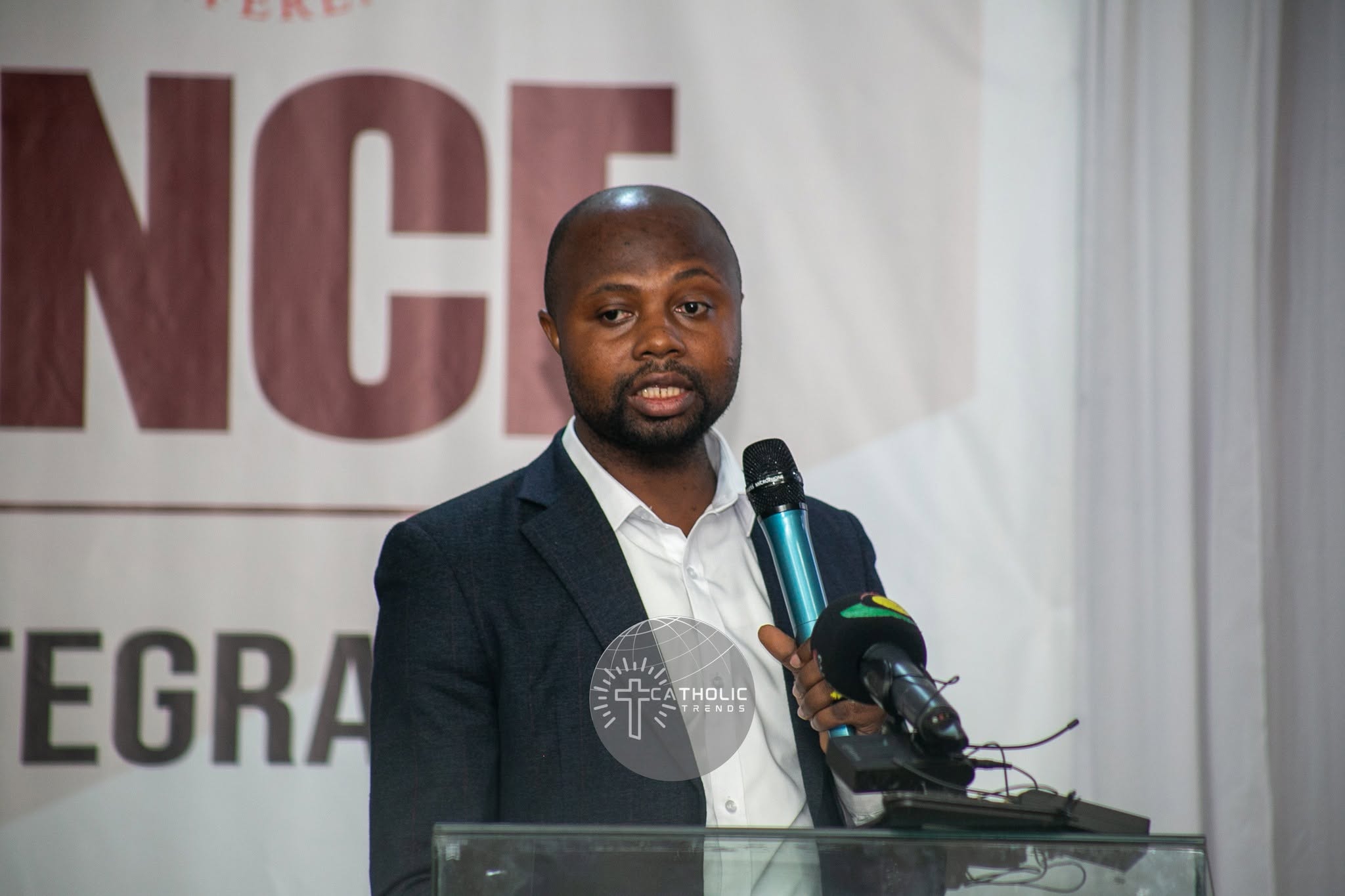
Executive Director of Caritas Ghana, Mr Richard Nyaaba Akurugu, made the call at a press briefing on Tuesday, explaining that the Church needed to build its own financial reserves to reduce its heavy dependence on external development partners.
He said the Ghana Catholic Bishops’ Conference had approved proposals to institutionalise Caritas Week as an annual event on the Church’s calendar and introduce an annual collection to support its activities.
Mr Akurugu said the move had become necessary because development partners were reducing support for organisations working in developing countries, making it increasingly difficult to mobilise resources for emergency responses.
“It has been 26 years now since the operation self-reliance was anchored. Yet, we still rely heavily on development partners to undertake development interventions, especially for emergency responses,” he said.
He explained that dependence on external funding could delay responses to emergencies, with organisations sometimes having to gather data and approach donors before assistance could be provided.
“Most emergencies happen, we will have to go to the field, collect data, come, and then we are running around speaking to donors, sometimes we don’t actually get anything,” he said.
He added that even when funding was secured, it could come with restrictions on where and when the money could be spent.
“So it is important for the church to begin to look at how we build internal reserves to be able to respond to emergencies when they happen,” he said.
Mr Akurugu cited Caritas Ghana’s involvement in relief efforts following the 2023 Akosombo Dam spillage, when affected communities received assistance from the Church’s humanitarian network. He also said the organisation had responded to emergencies in at least seven regions in 2026. These included windstorm incidents in the Upper East and North East regions, a windstorm in the Bimbilla area, and flooding in Accra on June 29.
At the time of the briefing, Caritas Ghana had completed its response to the Accra flooding and was continuing assistance for affected people in the Central, Volta, Western and Western North regions.
Mr Akurugu said these interventions had largely depended on donor funding, reinforcing the need for stronger domestic support.







Discussion about this post