


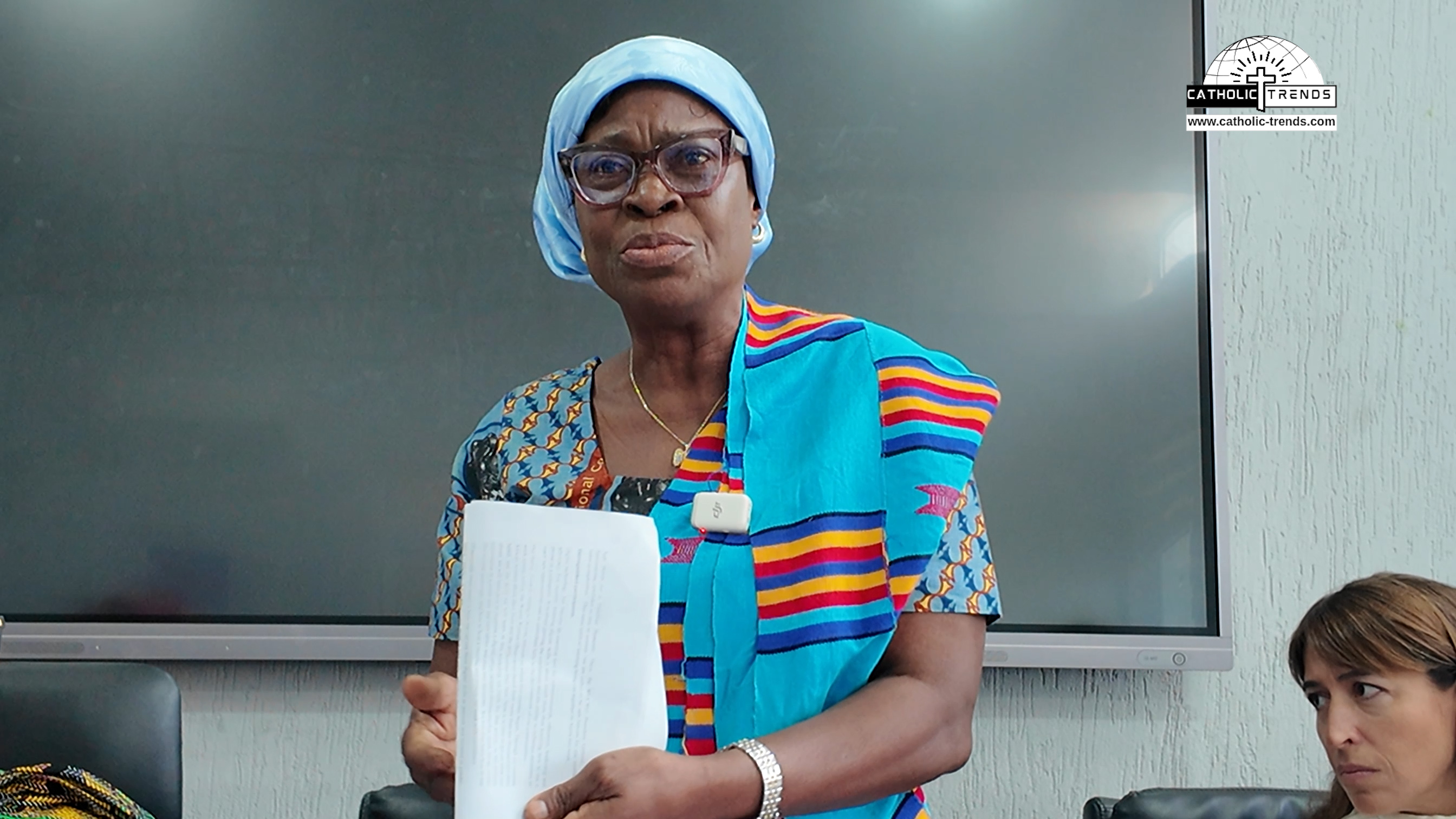
Catholic women in Ghana are strengthening efforts to combat gender-based violence and discrimination through education, advocacy and confidential support for victims, the Chairperson of Community Managers of the World Union of Catholic Women’s Organisations (WUCWO) Ghana, Sr. Dr Juliana Lamisi Akayeti,SMI has said.
She noted that Catholic women, through the WUCWO World Women’s Observatory (WWO), were working to create platforms where victims of gender-based violence could share their experiences and receive support to overcome their situations.
She made the remarks in an interview with Catholic Trends at the sidelines a five-day programme organised by WUCWO-WWO Ghana to deliberate on gender-based violence and discrimination in the country.
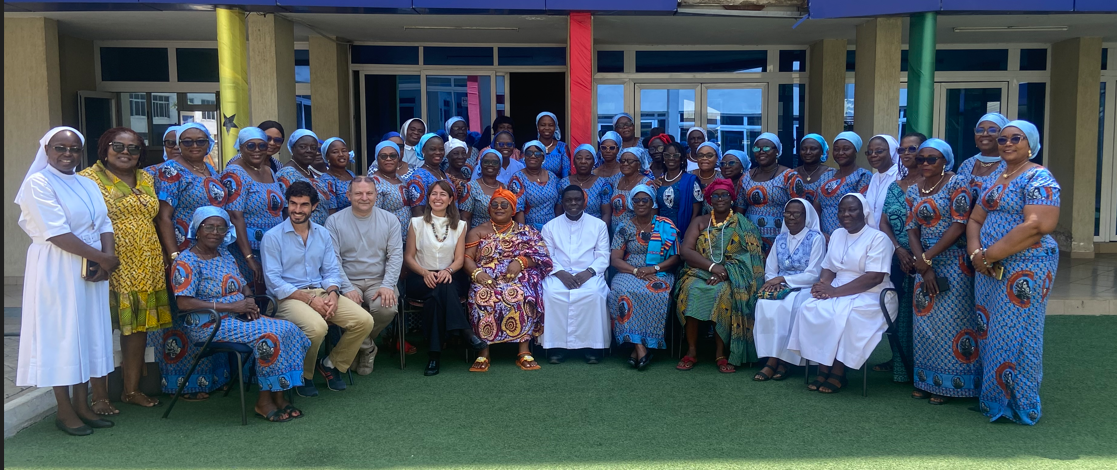
The programme, running from November 3 to 7, brings together five focal persons and five community managers of the organisation in Ghana, alongside executives of WUCWO from Rome.
According to Sr. Akayeti, the initiative seeks to strengthen collaboration with women’s organisations, Caritas, youth groups, Queen Mothers and coalitions of non-governmental organisations to identify practical ways of reducing gender-based violence and discrimination.
She said the programme would include discussions, awareness-raising sessions and training facilitated by WUCWO executives from Rome.
A key feature of the programme is the screening of a film from Kenya highlighting how survivors of gender-based violence have overcome their experiences and rebuilt their lives.
Sr. Akayeti said the film was intended to encourage people experiencing violence to seek help rather than remain trapped in abusive situations.
“The awareness is created that when you find yourself in this predicament, do not stay in there, try to do something against it,” she said.
She explained that education and the creation of accessible support platforms were central to WUCWO’s response to the challenges confronting women and girls.
Through its focal persons and community managers, the organisation hopes to provide opportunities for people affected by gender-based violence to share their experiences and access assistance.
Sr. Akayeti also assured victims who fear speaking out because of possible repercussions within their families that their concerns would be handled confidentially.
“We would like them to take advantage of the platforms we are trying to create. Send your information across, then we can handle you independently of any other person, privately,” she said.
She added that the approach was intended to help victims find support without unnecessarily exposing their circumstances or worsening tensions within their families.
While acknowledging that women and girls are particularly vulnerable to gender-based violence, Sr. Akayeti stressed that men and boys affected by violence should also be encouraged to seek assistance.
“Anybody that is affected by violence should make their voices heard. The women are most vulnerable, but if there is any male, any boy that is involved, they can come out. We are ready to help everybody,” she said.
She said the ultimate goal was to ensure that everyone could live in a safe environment, move freely and enjoy their dignity, which she described as central to the organisation’s work.





Discussion about this post