


She said digital skills acquired through training and advocacy programmes should be used to educate communities, empower women and girls, protect survivors and challenge cultural attitudes that make violence against women appear normal.
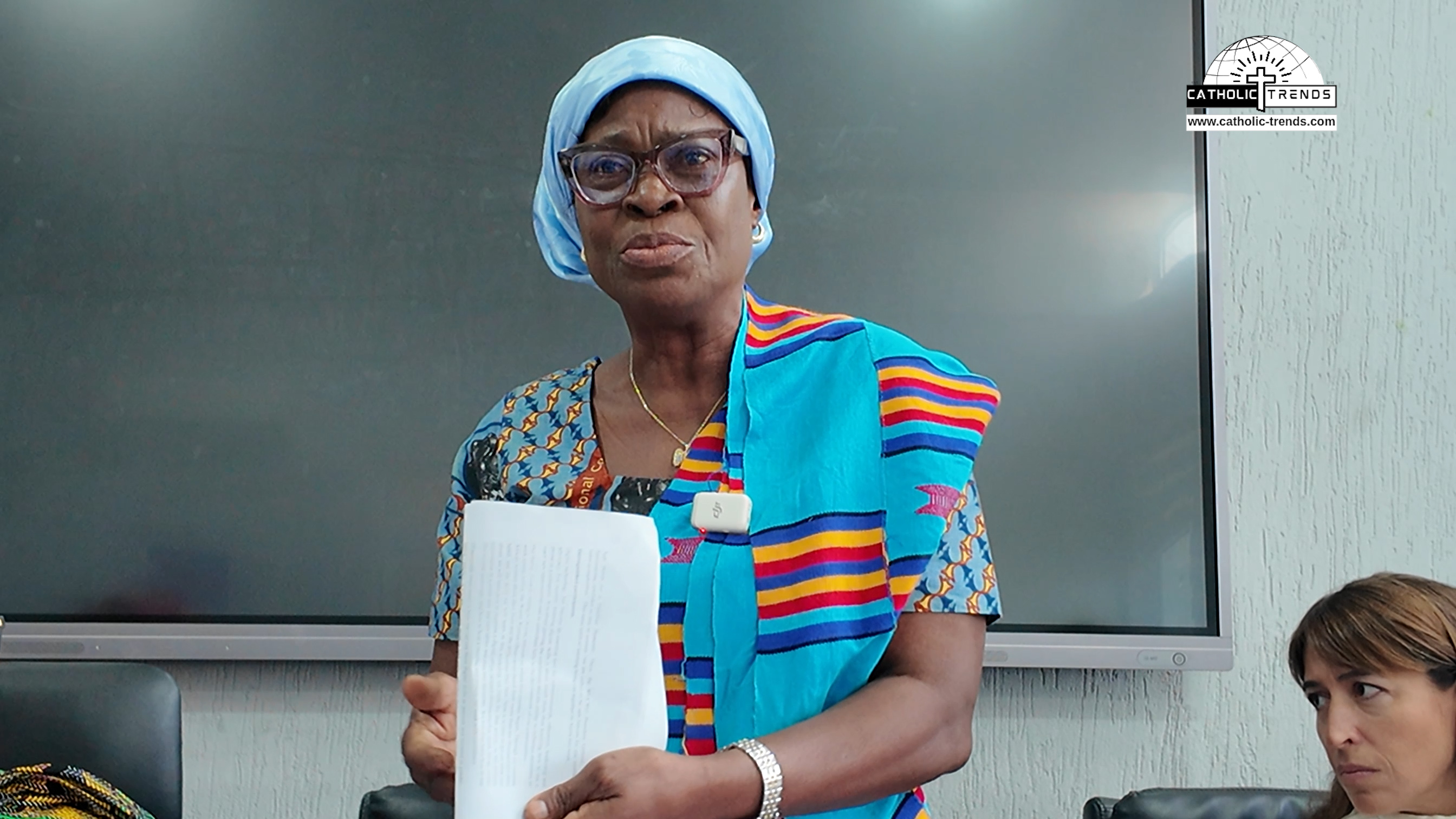
Dame Asobayir made the call on Wednesday, November 4, 2026, at the GNAT Hall in Accra during the opening of an awareness campaign against gender-based violence and discrimination, alongside a digital skills training programme for women.
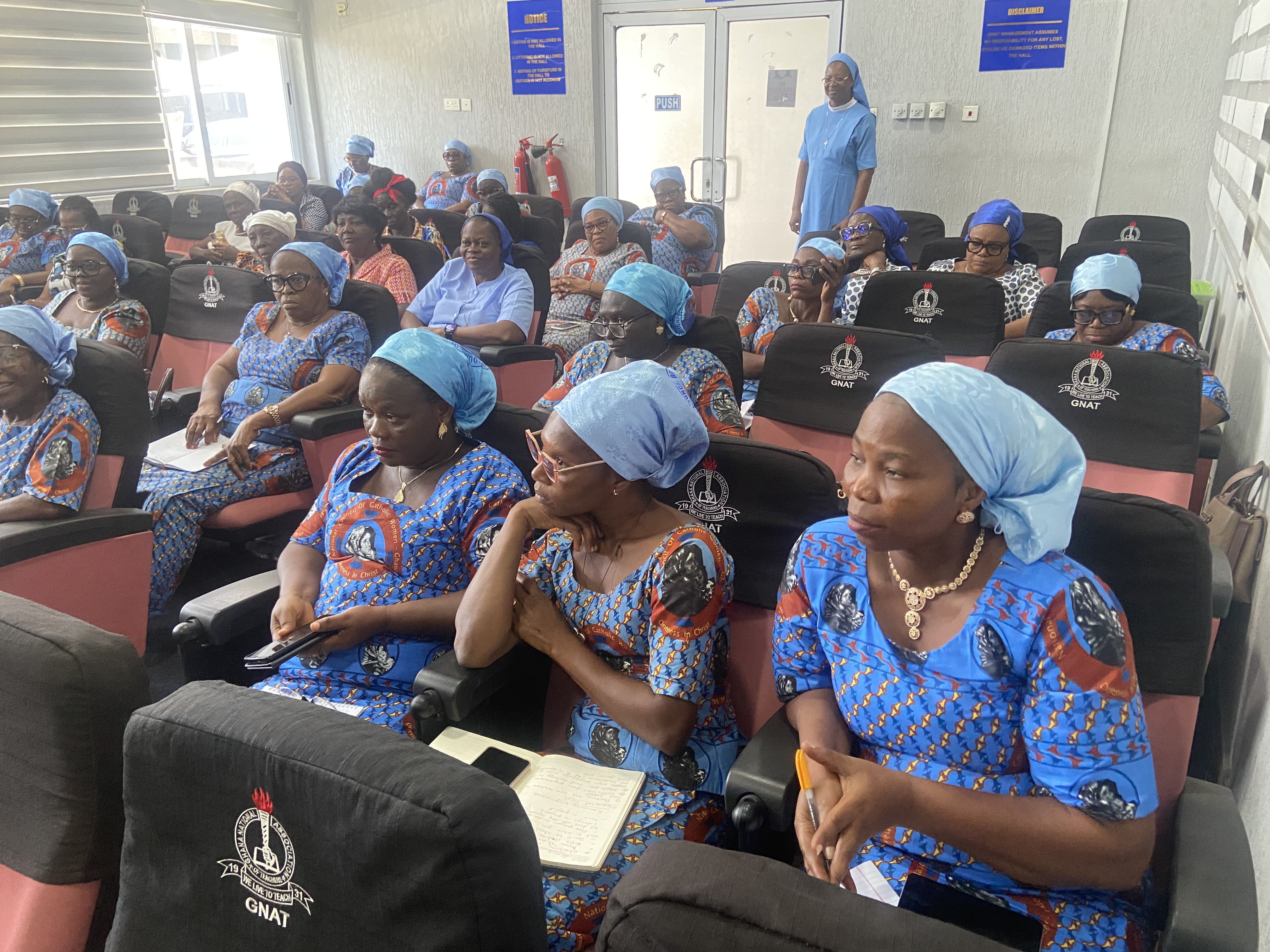
The programme is organised by the NCCW in collaboration with the Conference of Major Superiors of Religious in Ghana (CMSR-Gh) and the World Women’s Observatory (WWO) of the World Union of Catholic Women’s Organisations (WUCWO).
Speaking on the theme, From Listening to Action, she said the initiative was an opportunity to translate the experiences and concerns of women gathered through WUCWO’s listening exercises across Africa into practical interventions.
She disclosed that the World Women’s Observatory had listened to more than 10,000 African women about their lives and the challenges they face, stressing that the next step must be to act on what they had shared.
“Now it is time to act on what was heard,” she said.
Dame Asobayir explained that digital literacy goes beyond knowing how to operate a phone or computer, describing it as an important means of equipping women with the confidence and capacity to influence decisions, access opportunities and contribute meaningfully to their communities.
The training covers practical skills such as organising a digital office, preparing documents and presentations, collecting information, analysing data and using mobile phones and digital platforms for advocacy and awareness creation.
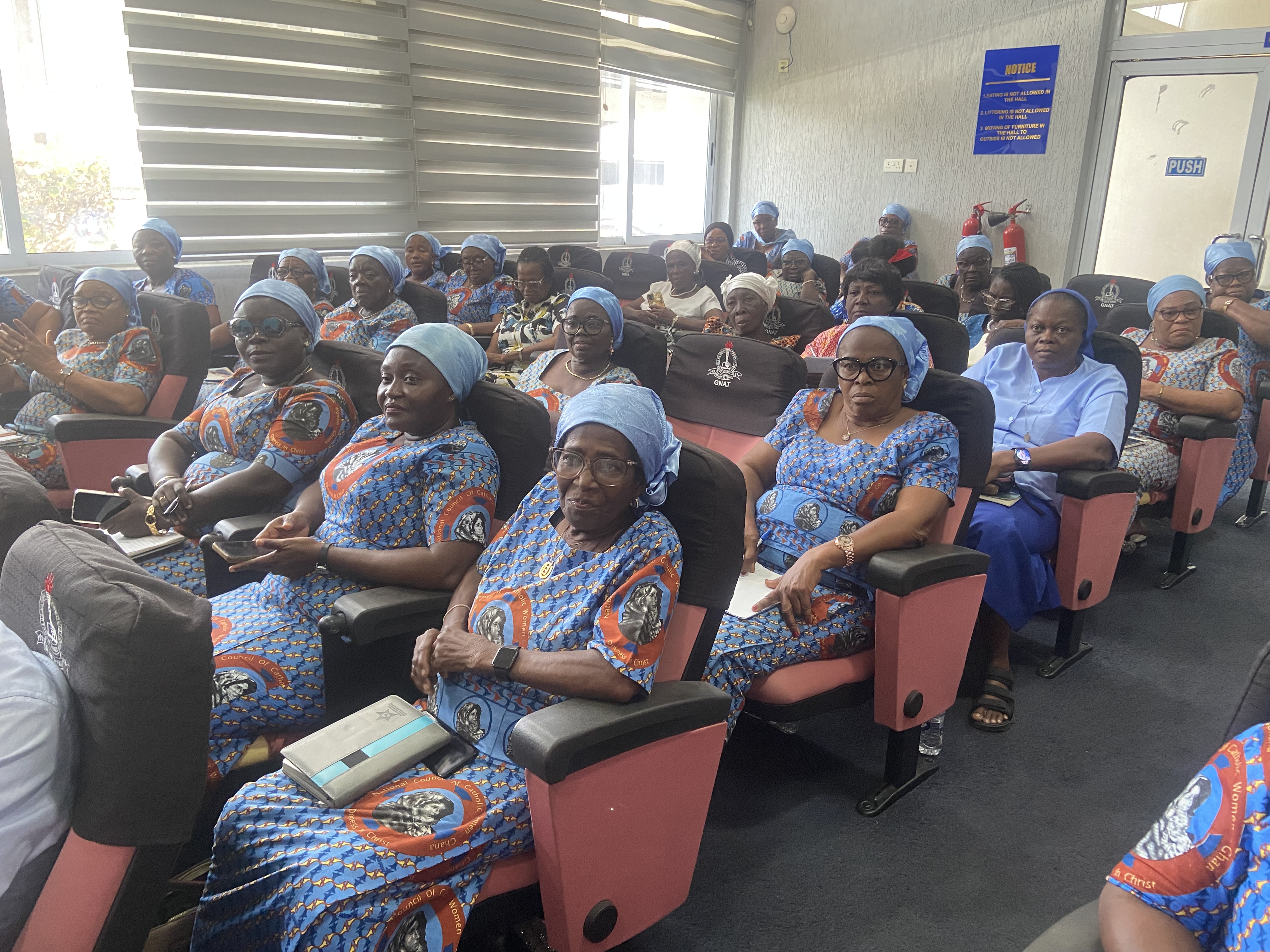
She said these skills were particularly important in preventing and responding to gender-based violence, as they could help Catholic women reach more people with information and support.
54% of surveyed African women report gender-based violence
Drawing attention to the scale of the problem, Dame Asobayir cited a figure published in the Vatican newspaper L’Osservatore Romano, indicating that 54 per cent of women who participated in the World Women’s Observatory’s survey across Africa had experienced gender-based violence within their families.
She identified domestic violence, sexual abuse, exploitation, discrimination and online harassment among the forms of violence confronting women and girls.
While acknowledging that women and girls are particularly vulnerable, she stressed that men and boys affected by violence also deserve protection.
She encouraged Catholic women to use digital platforms to educate communities about different forms of gender-based violence, inform survivors of their rights and available support services, and promote online safety for women and girls.
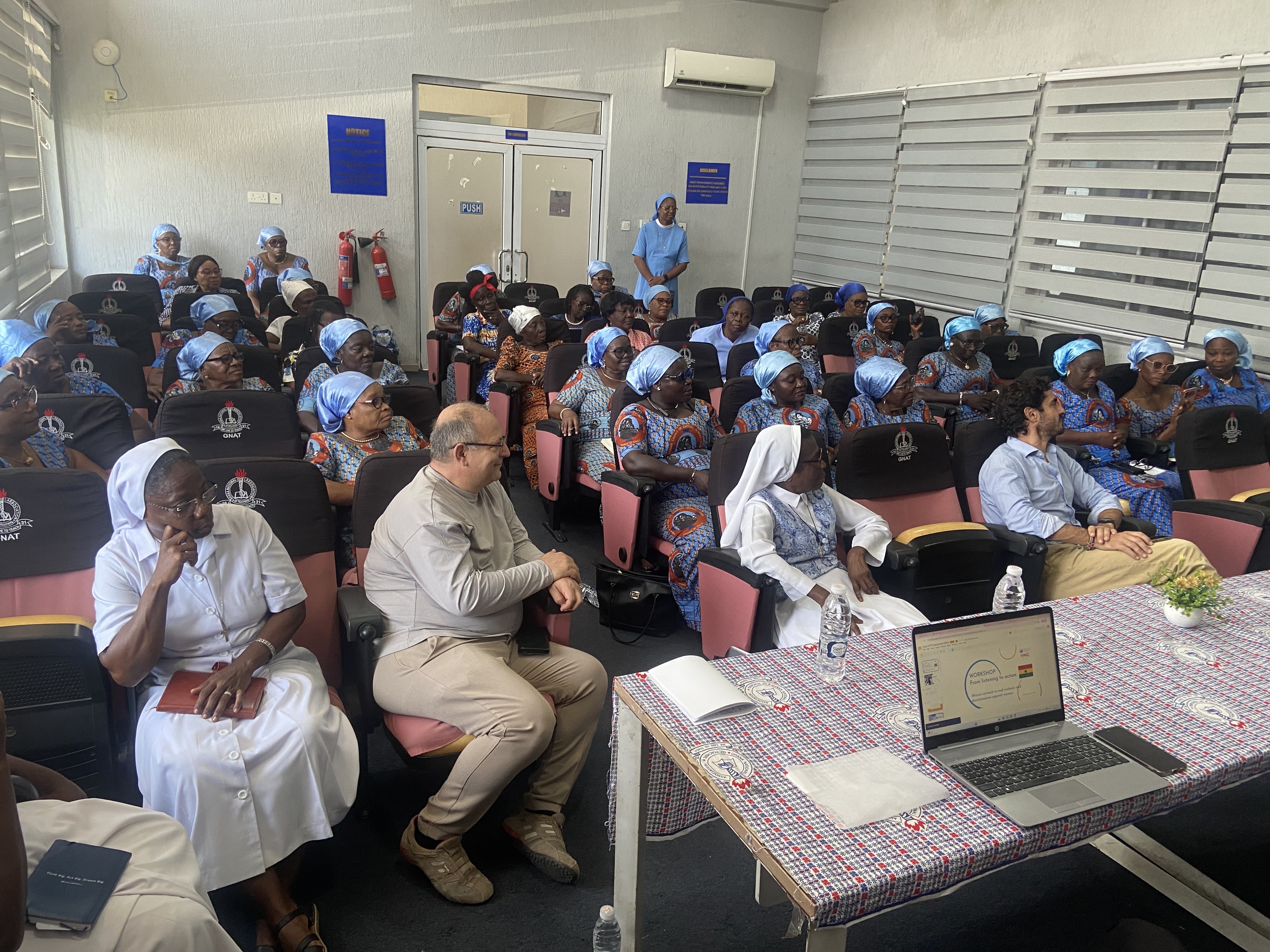
She also called for sustained advocacy in parishes and communities against harmful cultural practices and attitudes that make violence appear acceptable.
From training to grassroots action
Dame Asobayir challenged participants, particularly diocesan presidents, religious sisters and other stakeholders, to become agents of change in their respective communities.
She proposed that the training be replicated at diocesan, deanery and parish levels to ensure that women at the grassroots also benefit.
She further called for the establishment of simple digital platforms where women could continue learning, share information about their development and promote awareness of gender-based violence.
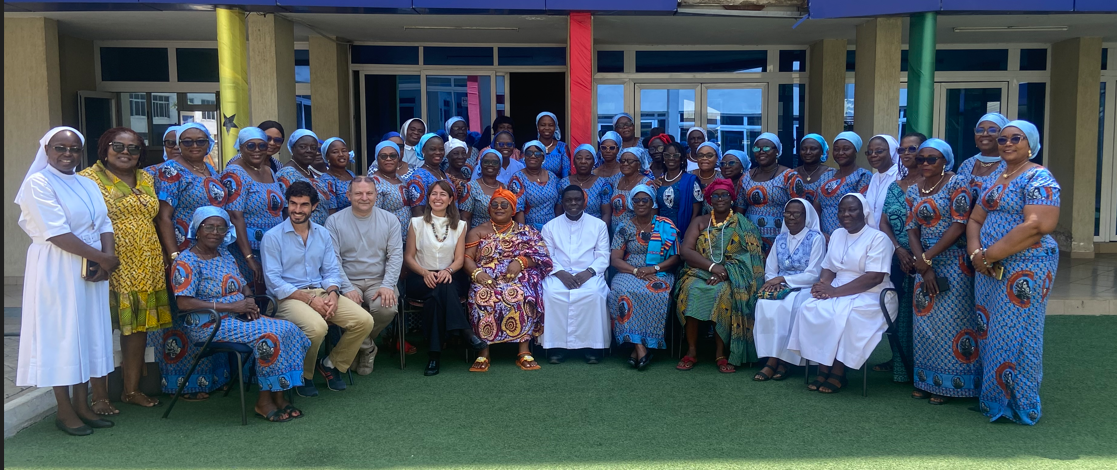
“We must use those platforms for regular campaigns against violence, campaigns that also promote healthy family relationships,” she said.
The NCCW President also invited men and boys to support efforts to prevent gender-based violence, emphasising that addressing the problem requires the participation of the wider community.
Traditional leaders urged to support women’s empowerment
Dame Asobayir acknowledged the role of traditional leaders, including Queen Mothers, in addressing cultural practices that undermine women’s dignity and participation in society. She said their influence within communities placed them in a position to help address cultural barriers and promote the empowerment of women, girls and boys.
She urged them to work with Catholic women and other stakeholders to strengthen families and build communities where everyone can enjoy dignity and protection. WUCWO, which has worked for more than 115 years to promote the active and co-responsible participation of Catholic women in the Church and society, brings together Catholic women’s organisations across the world.






Discussion about this post