


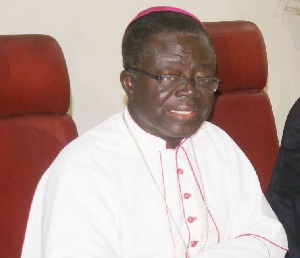
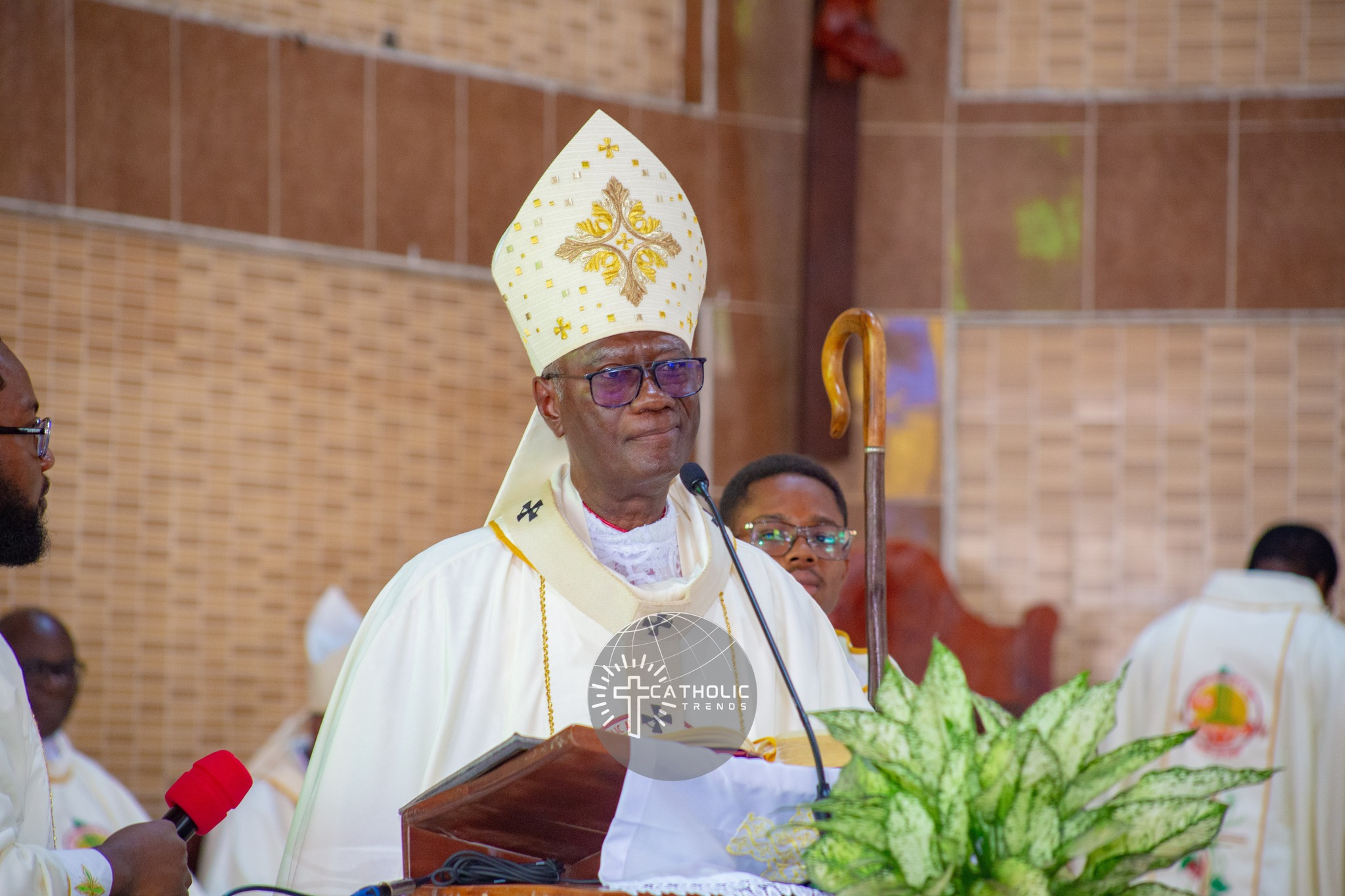
Most Rev. Joseph Osei-Bonsu has clarified that while former Catholic priests who join the Anglican Communion may still validly consecrate the Eucharist, such celebrations remain illicit, and Catholics must not receive Holy Communion in those settings.
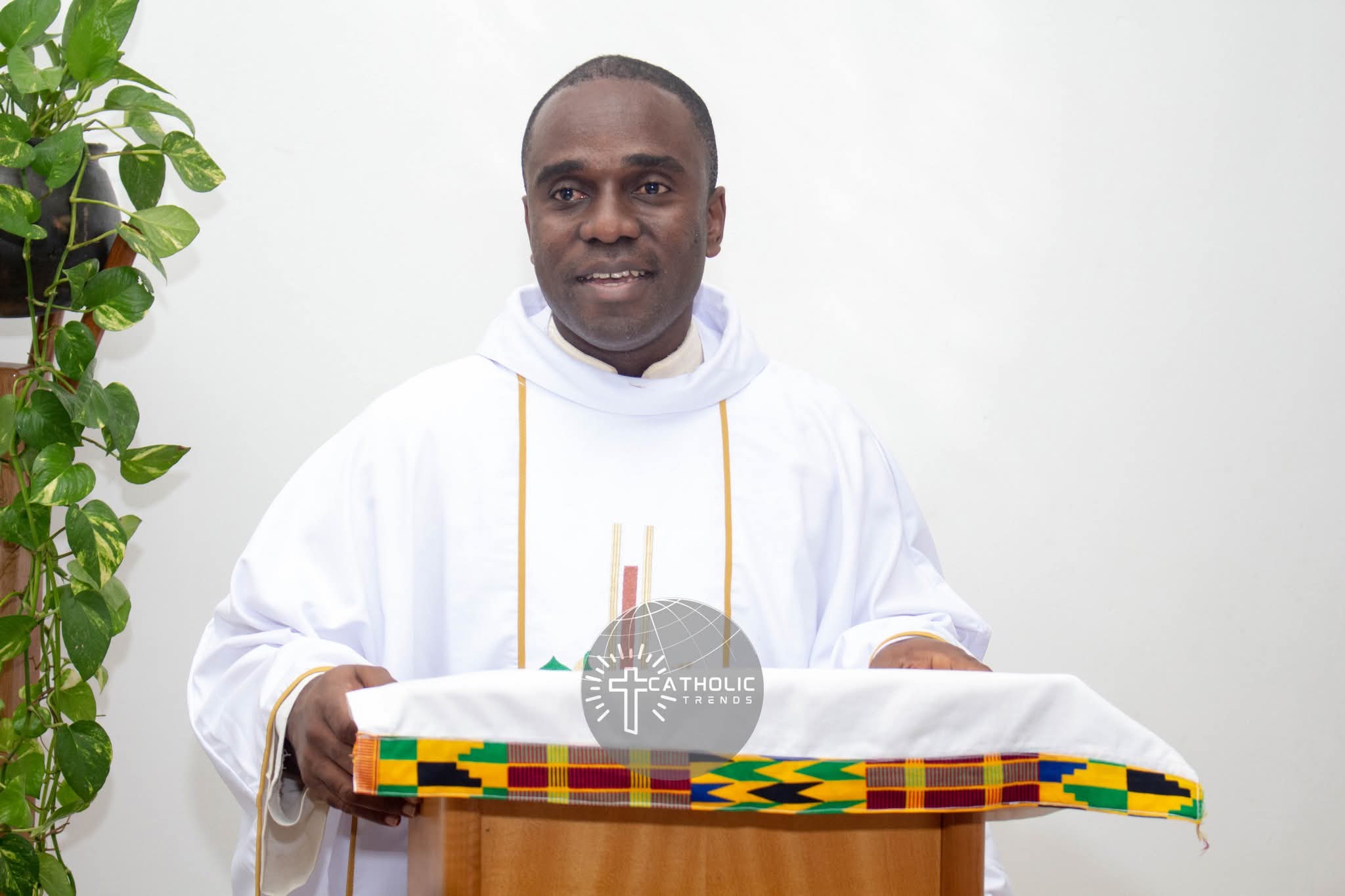
The clarification followed a theological question posed by Fr Kpanie Addy, SJ, who sought guidance on the status of Eucharistic celebrations by former Catholic priests now functioning within the Anglican Church.
“In these circumstances, what is the status of the Eucharist they celebrate? Specifically, when they pronounce the words of consecration, does transubstantiation take place?”
Fr Addy noted that the sacrament of Holy Orders confers an indelible character, raising questions about whether priests who leave the Catholic Church still retain the capacity to validly celebrate the Eucharist in another ecclesial context.
In his response, Bishop Osei-Bonsu affirmed the permanence of priestly ordination, explaining that once a priest is validly ordained, he remains a priest forever.
“A priest, once validly ordained, always retains the power to celebrate the Eucharist validly. The Church cannot ‘un-ordain’ him,” he stated.
He explained that the Church distinguishes between validity, whether a sacrament truly takes place and liceity—whether it is lawfully celebrated. According to him, a priest who leaves the Catholic Church and ministers elsewhere acts illicitly, but this does not automatically invalidate the sacraments he celebrates.
“Illicit action does not automatically mean invalid action,” he said.
The Bishop noted that for the Eucharist to be valid, four essential elements must be present: proper matter, correct form, a validly ordained minister, and the intention to do what the Church does.
“If these conditions are met… the consecration genuinely occurs,” he explained.
However, he raised concerns about the intention of priests who have joined the Anglican Communion, particularly given theological differences regarding the Eucharist.
“If he internally intends to do what the Catholic Church does, the sacrament is valid… If he has adopted Anglican Eucharistic theology, which denies transubstantiation, then the intention is defective and validity becomes doubtful,” he cautioned.
While acknowledging the theoretical possibility of validity in such cases, Bishop Osei-Bonsu emphasized that these celebrations remain illicit because they occur outside the communion and discipline of the Catholic Church. He further stressed that Catholics are not permitted to receive Holy Communion in Anglican services.
“The answer is NO… Validity does not guarantee liceity,” he stated, noting that receiving Communion also signifies full communion with the Church.
He reiterated the Church’s longstanding position that Anglican orders are generally considered invalid, referencing historical teachings that question the validity of Anglican priesthood. As such, he explained, the Catholic Church does not ordinarily recognise Anglican Eucharistic celebrations as valid.
The Bishop concluded by pointing to the deeper issue of ecclesial unity, emphasizing that the Eucharist is not only about the real presence of Christ but also about unity within the Church.
“The gift is real and irrevocable, but when exercised outside the unity for which Christ prayed, it wounds the body,” he said.
He maintained that while a former Catholic priest may retain the sacramental capacity to consecrate the Eucharist under strict conditions, such actions remain gravely irregular, and the faithful must adhere to the Church’s guidance in matters of sacramental participation.
![[Opinion] Decree suspending Fr. Samuel Adapore : A canon lawyer’s analysis](https://catholic-trends.com/wp-content/uploads/2026/08/canon-law.jpg)





Discussion about this post