



While much of the world’s attention during the Synod on Synodality is fixed on the assemblies in Rome, the Church in Africa is undertaking what could be described as a best practice with the implementation of the Synod on Synodality.
The continent, aside implementing the vision of a more synodal Church, is also documenting how that vision is taking shape in dioceses, parishes, seminaries and Catholic institutions.
At the heart of that effort is the Synodality Observatory (SynObs), a newly established initiative bringing together theologians, researchers, pastors, communicators and observers to collect, analyse and preserve evidence of synodality across Africa.
For a Church often described as one of the fastest growing in the world, SynObs seeks to answer an important question. Thus, What is actually changing on the ground?
The initiative marks a shift from discussing synodality to recording how it is being lived, ensuring that Africa’s experience contributes to the global Church’s discernment ahead of the 2028 Ecclesial Assembly.
Telling Africa’s story
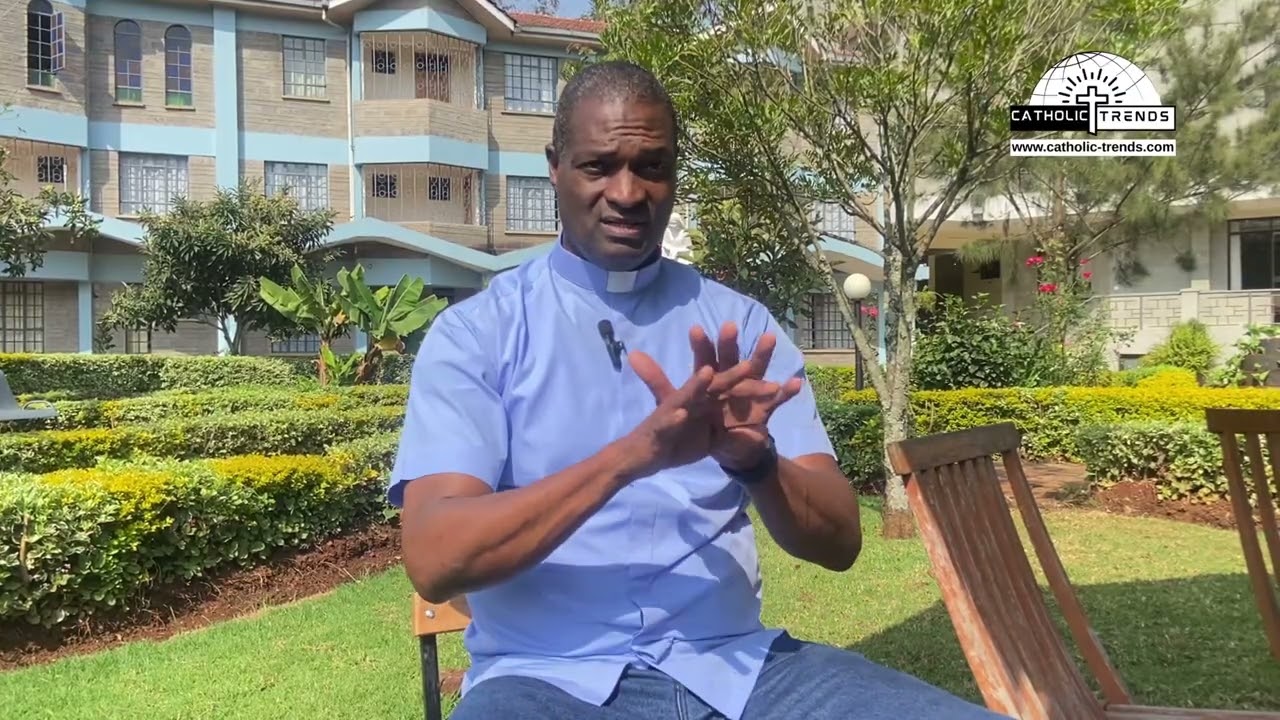
For Rev. Fr. Andrew Kaufa, Deputy Secretary General of the Association of Member Episcopal Conferences in Eastern Africa (AMECEA) and East Africa Regional Representative of SynObs, the motivation behind the initiative is straightforward.
“Our interest is that we should find a way of documenting whatever is happening in Africa, put everything together, get experts, theologians and researchers who can do an analysis of the data, interpret that data, and give those insights and recommendations to the Church in Africa, but also share the same with the Universal Church through the General Secretariat of the Synod,” he told Catholic Trends.
The project, he noted emerged from a realisation that while many dioceses across Africa are embracing synodality in different ways, much of that experience has remained undocumented.
“A lot happens,” Fr. Kaufa observed, “but nobody captures and documents.”
He explained that the Church wanted to avoid a situation where the Synod became little more than conversations held in Rome without tangible evidence of change in local Churches.
“Pope Francis had a great fear that Synod may end up being a discussion in the Vatican, a discussion at different levels of the Church, but nothing concrete happening on the ground,” he said.
That concern gave birth to SynObs, a continent wide observatory dedicated to collecting evidence of synodality in action.
Unlike facilitators or organisers, Synodality Observers are not expected to initiate programmes in dioceses. Their task is to watch carefully, document faithfully and verify what is taking place.
“We are not here to do any initiative other than to observe what is happening, verify what is happening, and be able to say this is truly happening in Africa,” Fr. Kaufa explained.
To make that possible, SynObs has identified several areas for observation. These include pastoral initiatives, changes in parish and diocesan structures, formation programmes in seminaries, theological research, artistic expressions such as music, and other emerging signs of synodal life.
Observers submit their findings through a dedicated digital platform where reports, documents and supporting evidence are stored.
“It is an online kind of depository which will help the Church to always have a kind of a centre of reference,” Fr. Kaufa said.
Beyond creating a historical record, he said the platform will provide bishops with reliable information for reporting and help researchers analyse trends emerging across the continent.
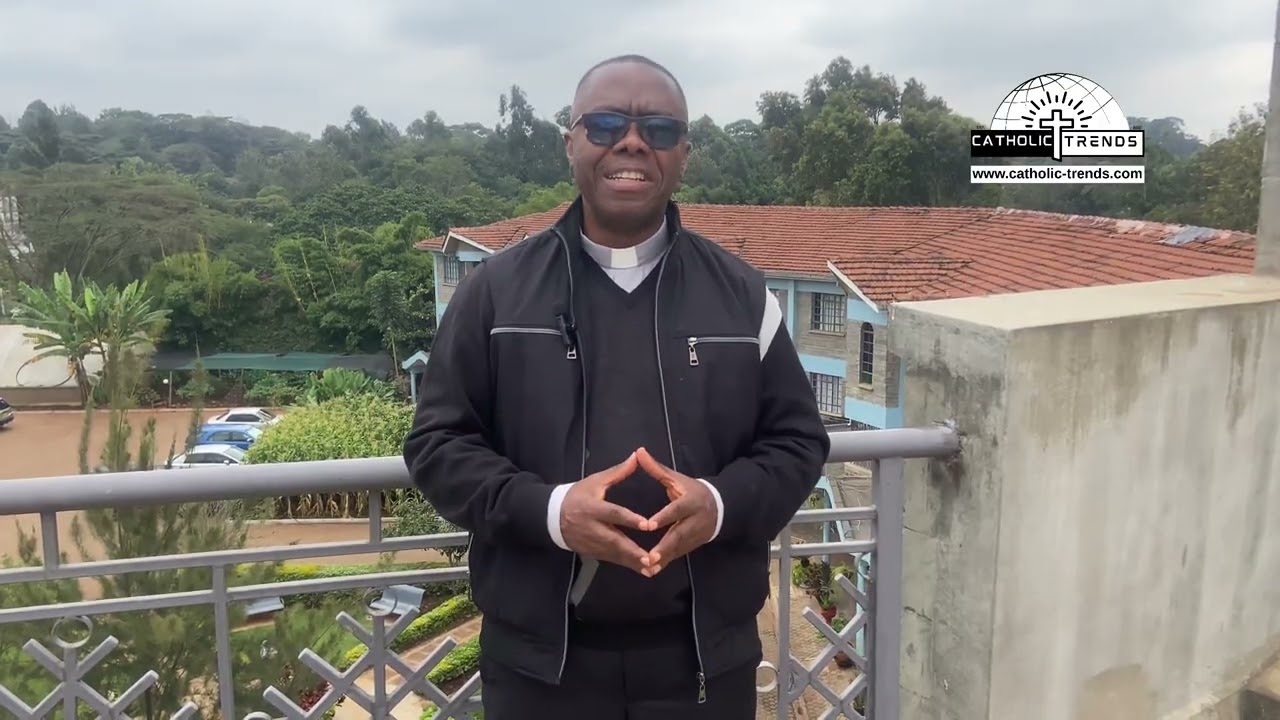
Rev. Fr. Vitalis Anaehobi, Secretary General of the Reunion of Episcopal Conferences of West Africa (RECOWA) and a member of the Synodality Observatory, described the initiative as one designed to accompany that process with credible evidence.
“The Synodality Observatory is a body that is put in place to document the implementation of the Synod in Africa, and basically to furnish concrete data and evidences showing that the Church in Africa is implementing the Synod.”
He said the initiative would also create opportunities for theological reflection and research.
“This will also provide the forum and resources for research because it will be enriched with concrete evidences and the activities being carried out in the region for the implementation of Synodality.”
The work of SynObs forms part of the Catholic Church’s preparations for the 2028 Ecclesial Assembly, a global gathering that will bring together bishops, priests, religious and lay faithful to reflect on how the Synod on Synodality has been implemented in local Churches around the world.
Unlike the Synod of Bishops held between 2021 and 2024, the Assembly will focus on the reception of the Synod’s Final Document, drawing on experiences gathered through dioceses, bishops’ conferences and continental assemblies.
Rather than bringing the synodal process to a close, the Assembly is intended to strengthen it. The experiences collected from local Churches will help shape the Church’s ongoing discernment on synodality as a way of life and mission, with the gathering expected to reinforce the implementation of the Synod’s vision beyond 2028.
According to Fr. Anaehobi, documentation will feed into the four stage implementation process leading to the Ecclesial Assembly in 2028. Recollecting experiences at diocesan level, interpreting them through bishops’ conferences, orienting them at continental level and finally celebrating the fruits of the journey at the universal Church.
Importantly, he stressed that the process is not an inspection of dioceses. “The evaluation is not about judgement, it’s about giving more energy to the whole process,” he said.
Africa’s unique contribution
Fr. Kaufa believes many African cultures already embody values that resonate deeply with synodality.
“When it comes to synodality… it simply affirmed a number of things that are already done from the cultural point of view… the whole of Africa values and cherishes communion.”
Even so, he acknowledged that implementation across the continent has not progressed at the same pace everywhere.
“The Church is doing something, but they are not at the same level,” he said, noting that different regions have advanced differently in implementing synodality.
He expressed optimism that renewed interest among bishops and the continued emphasis on synodality would accelerate progress in the coming years.
“More is expected between now and 2028,” he said.
Becoming ambassadors of synodality
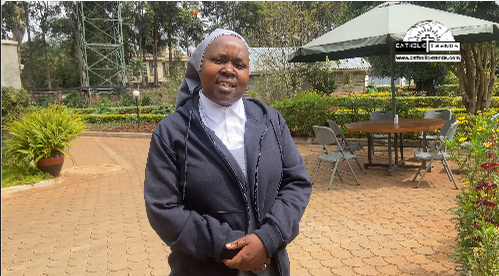
Sr. Celestine Nasiali of the Oblate Sisters of the Assumption, who will serve as an observer representing Kenya and the Association of Consecrated Women in Eastern and Central Africa (ACWECA), said a training for observers held early July this year in Nairobi and Abidjan for English and French speaking observers respectively has transformed her understanding of her role.
“It has really challenged me to go in and be an ambassador of the Synod.”

She described synodality as “the way to go” for the Church, saying the process is helping renew long held practices of participation, inclusion and shared responsibility.
“We want to have a renewed Church,” she said.
Over the coming months observers will document initiatives emerging in local Churches, gather evidence of implementation and contribute to what organisers hope will become Africa’s most comprehensive record of synodality in practice.
For Fr. Kaufa, the vision extends beyond producing reports.
“It’s really my prayer that all the bishops really put their focus into the implementation phase,” he said.
He hopes the initiative will enable Africa not only to implement synodality, but also to present its experience to the wider Church.
“Let’s have all the initiatives taking place, brought together, and we tell our story of being synodal, being a Church in Africa,” he added.

Discussion about this post