


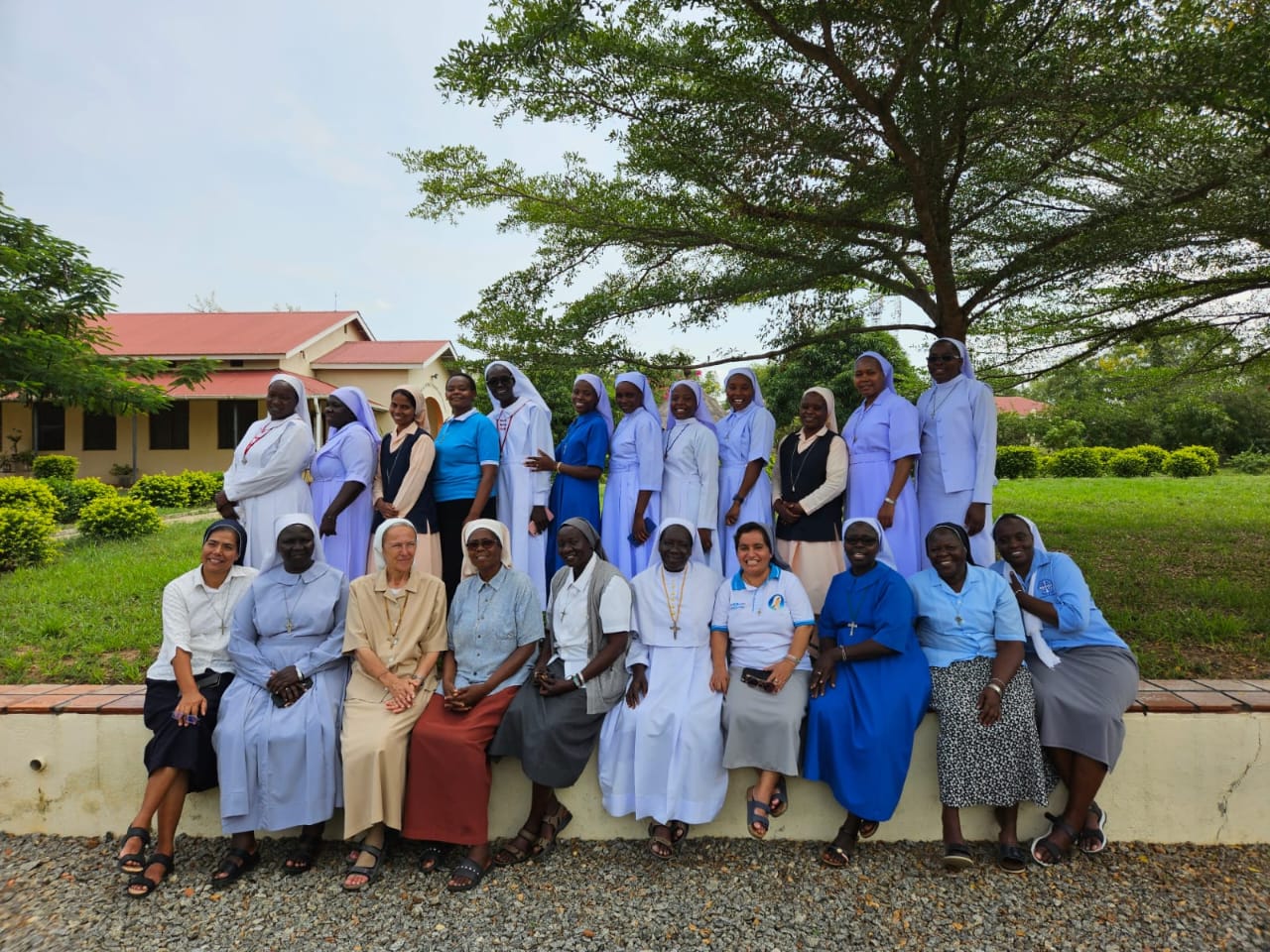
“Justice is not for the faint-hearted. We are called to ask the difficult questions, seek the root causes of injustice, and courageously become instruments of hope and transformation.” These words from ACWECA Secretary General, Rev. Sr. Bridgita Samba, set the tone for a transformative JPIC Advocacy Training that brought together women religious from Sudan and South Sudan to deepen their commitment to justice, peace, and the integrity of creation.
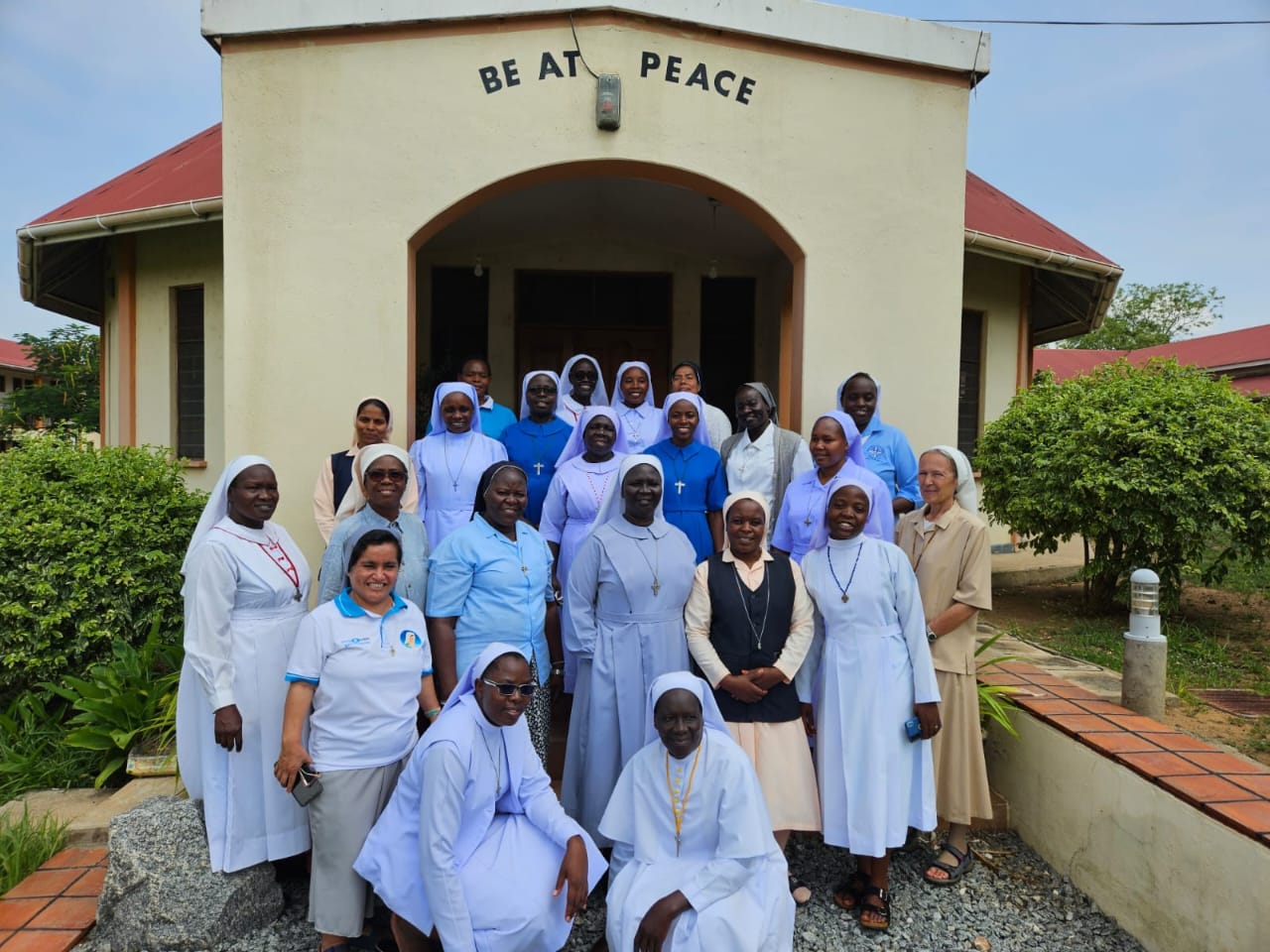
From 6–10 July 2026, the Association of Consecrated Women in Eastern and Central Africa (ACWECA) facilitated a Justice, Peace and Integrity of Creation (JPIC) Advocacy Training for members of the South Sudan Sisters Association (SSSA) at Good Shepherd Peace Centre, Kit, Juba. The workshop brought together 22 women religious, including two sisters from Sudan, who joined their counterparts from South Sudan despite the immense security and logistical challenges affecting both countries.
In her opening address, Rev. Sr. Bridgita Samba challenged the sisters to move beyond addressing the visible symptoms of injustice and instead seek to understand the underlying causes of the problems affecting their communities. She encouraged them to become courageous advocates rooted in faith, reminding them that every effort towards justice and peace contributes to the Church’s mission and leaves a lasting impact on society. She also reaffirmed ACWECA’s commitment to supporting women religious in strengthening the JPIC ministry throughout the region.
The first three days of the workshop were facilitated by Fr. Dr. Martin Ochaya, Secretary General of the Sudan and South Sudan Catholic Bishops’ Conference (SSSCBC). Rather than beginning directly with advocacy techniques, he laid a strong foundation in Catholic Social Teaching, demonstrating that the Church’s work in peacebuilding, human rights, social justice, and environmental stewardship flows directly from the Gospel and the dignity of the human person.
Participants reflected on the principles of solidarity, the common good, subsidiarity, participation, stewardship, accountability and the preferential option for the poor, appreciating that lasting peace can only be achieved by addressing the root causes of injustice.
The workshop also explored Human Rights, Social Justice, Peacebuilding, and Conflict Resolution, providing participants with practical tools to analyze the realities affecting their communities and strengthen their advocacy ministries.
Through discussions and shared experiences, the sisters identified pressing concerns facing South Sudan, including child and forced marriages, tribalism, gender-based violence, displacement, corruption, historical injustices, and the continued non-payment of government employees’ salaries. These conversations highlighted the interconnected nature of social injustice, conflict, and human suffering while reinforcing the important role of women religious as agents of reconciliation and hope.
The fourth day, facilitated by Sr. Dr. Elena Balatti, shifted the focus to Climate Change, Environmental Sustainability, and Resource Management through the lens of Pope Francis’ Laudato Si’. Participants reflected on the growing environmental challenges facing South Sudan, including deforestation, charcoal production, flooding, water scarcity, pollution, and the unsustainable exploitation of natural resources. The sessions emphasized that caring for creation is inseparable from promoting human dignity and social justice, inspiring the sisters to embrace environmental stewardship as an essential part of their pastoral mission.
One of the highlights of the training was the development of SSSA-specific JPIC Action Plans. Working in groups according to the dioceses where they minister, the sisters identified priority issues within their local contexts and designed practical interventions focusing on advocacy, peacebuilding, environmental conservation, community awareness, and collaboration with local stakeholders. This process ensured that the knowledge gained during the workshop would be translated into concrete actions within their ministries.
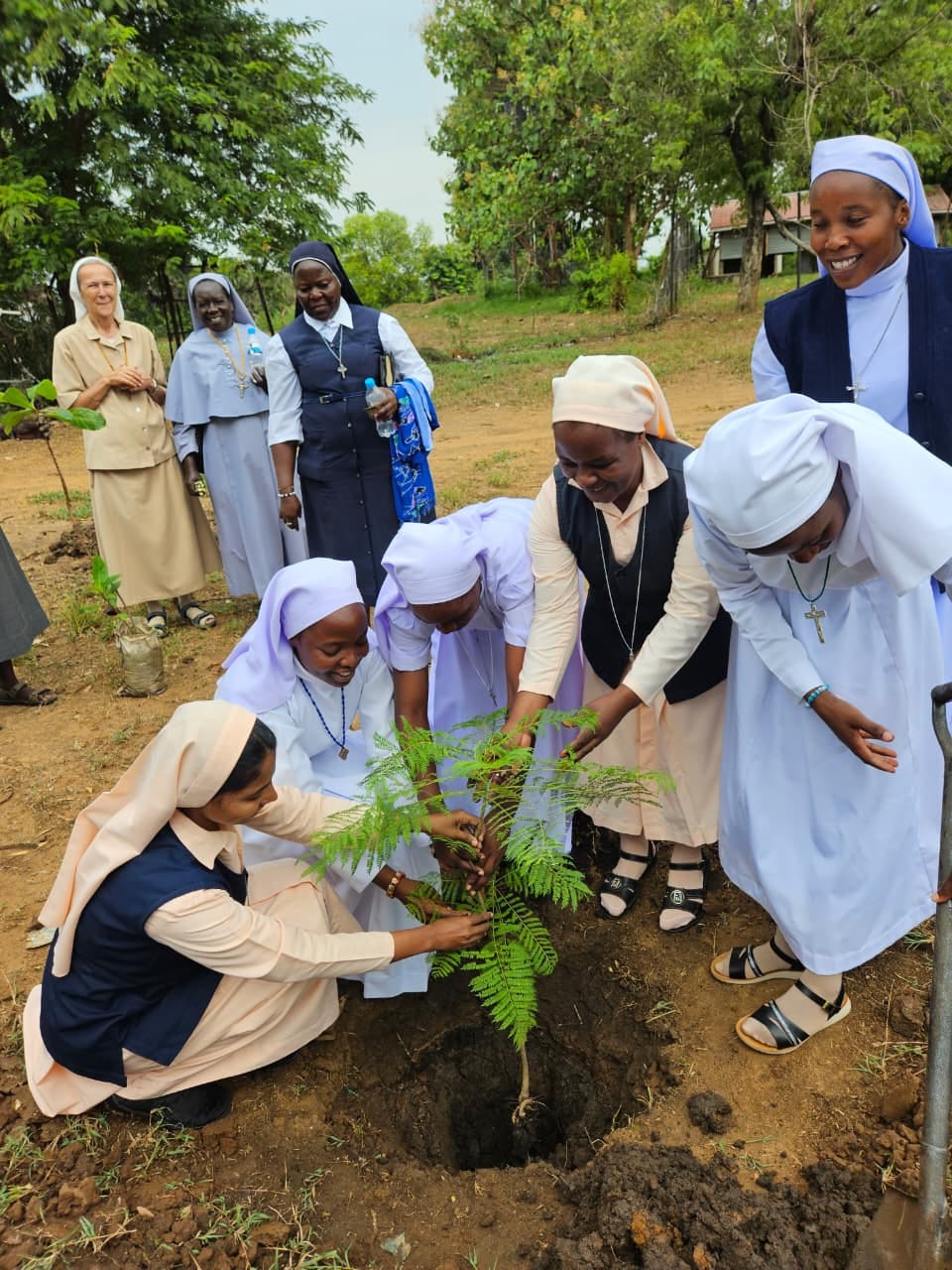
The workshop concluded with a moving pilgrimage to Rajaf Cemetery, where participants honored the memory of women religious who lost their lives while serving the people of South Sudan. Guided by the Chairperson of the South Sudan Sisters Association, Mother Felicita Humusara – Sacred Heart Sisters, the sisters reflected on the courage and faithful witness of these religious women whose lives continue to inspire the Church’s mission in the region. The pilgrimage culminated in the celebration of the Holy Eucharist at Rajaf Parish and a symbolic tree-planting ceremony, reaffirming the workshop’s call to promote both peace and care for our common home.
The participation of the two sisters from Sudan added a profound regional dimension to the workshop. Ongoing conflict has forced many women religious to leave their missions in Sudan, while heavy rains in Sudan during the training period complicated travel to Juba. Similarly, insecurity along South Sudan’s roads meant that participants travelling from outside Juba had to fly to the training venue, significantly increasing logistical costs.
Despite these challenges, the sisters’ determination to gather for formation demonstrated their resilience and unwavering commitment to serving communities affected by conflict and displacement.
As the workshop came to a close, the sisters returned to their communities strengthened in faith, enriched by new knowledge, and united by a shared vision to become more effective advocates for justice, peace, human dignity, and care for creation. Their renewed commitment reflects ACWECA’s vision of empowering consecrated women for deeper evangelization and demonstrates that even in contexts marked by conflict and uncertainty, women religious continue to be beacons of hope, reconciliation, and transformative leadership.








Discussion about this post