


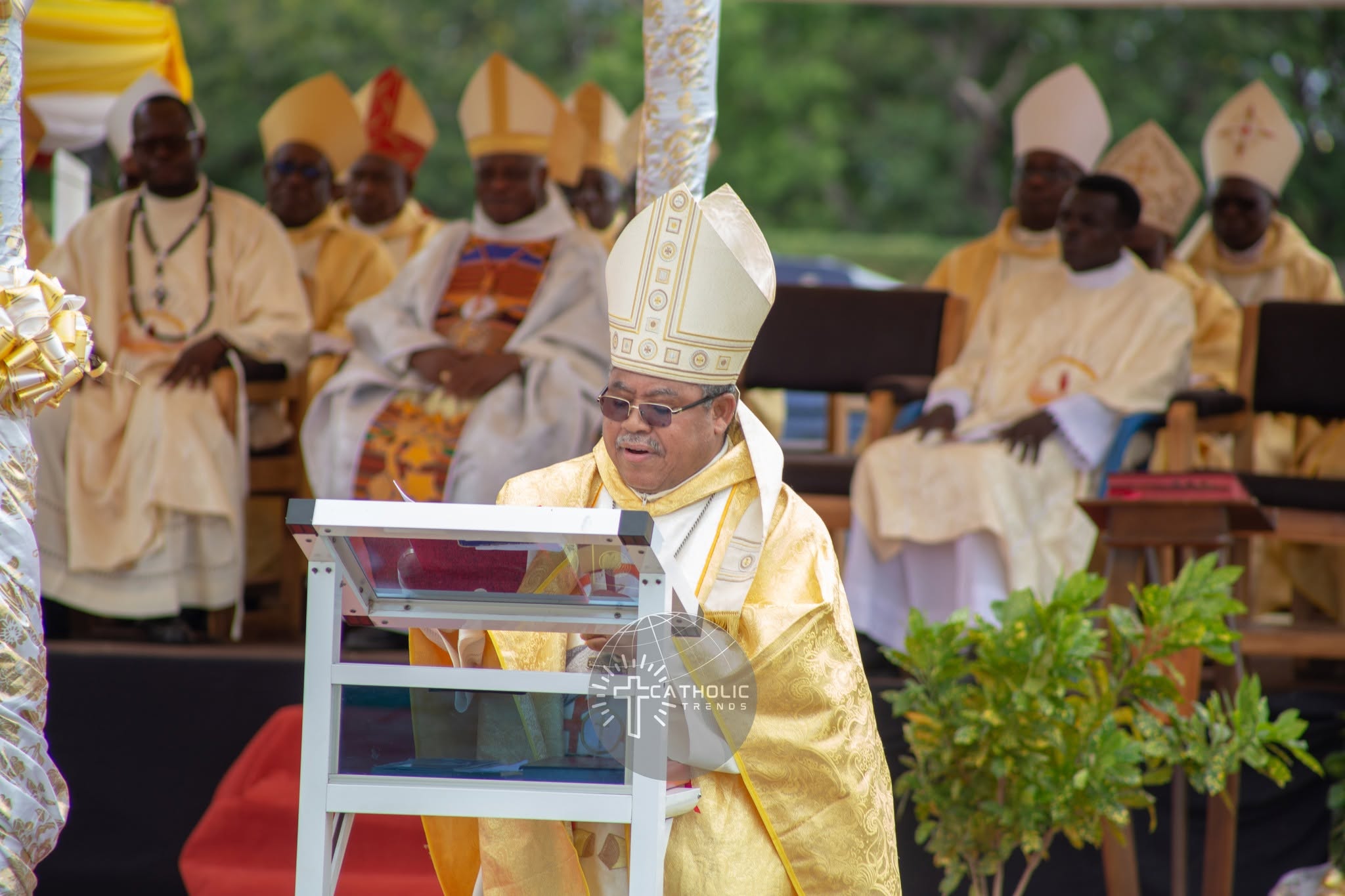
The Catholic Church in Ghana has reaffirmed its commitment to peacebuilding in Northern Ghana, saying it is seeking to strengthen its contribution to conflict prevention and social cohesion through the relaunch of the Centre for Conflict Transformation and Peace Studies (CECOTAPS).
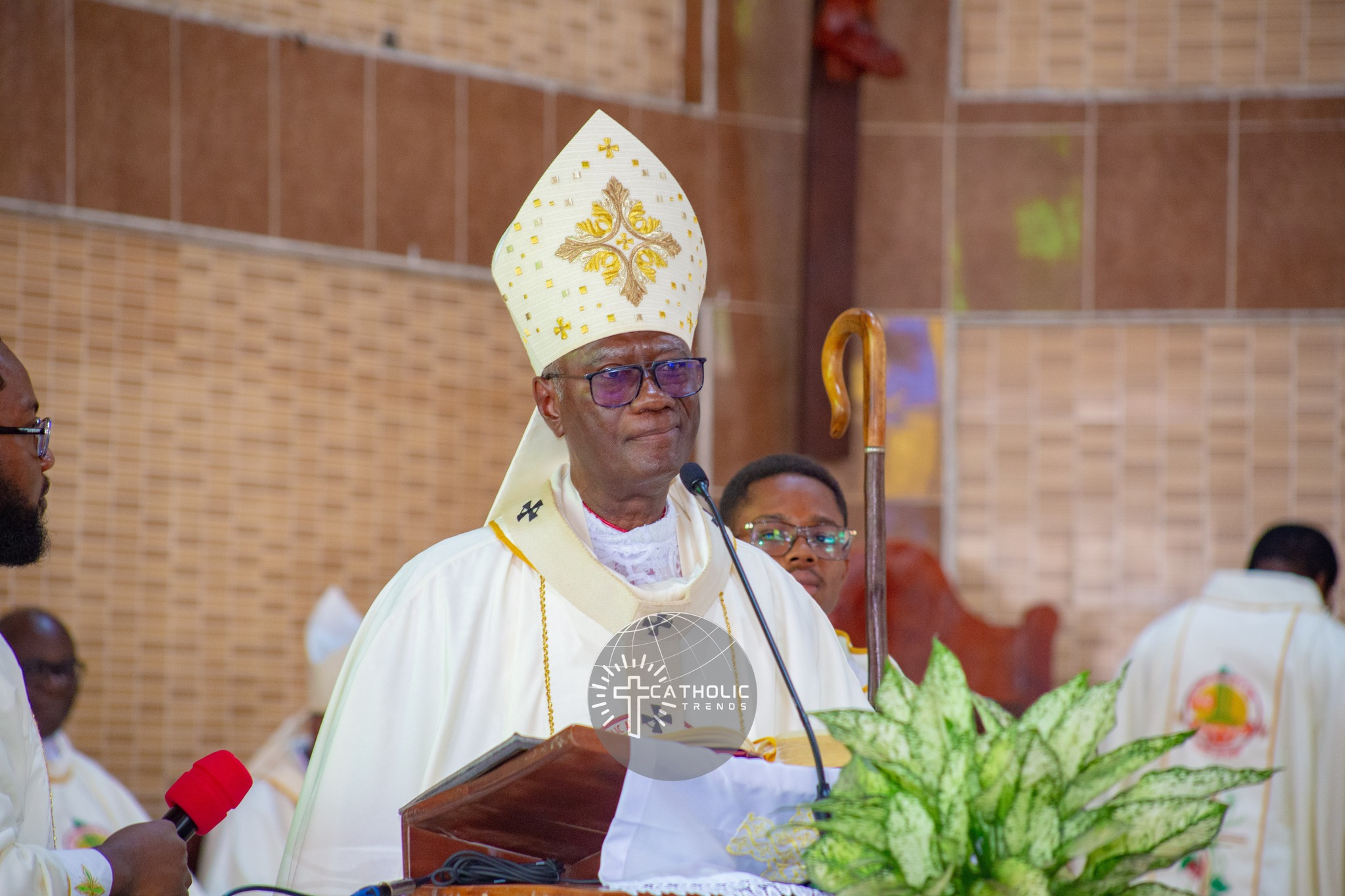
Speaking at the opening of the Peace and Development Conference in Damongo on Tuesday, July 28, the Bishop of Damongo, Most Rev. Peter Paul Yelezuome Angkyier, described the conference as a timely opportunity to reposition CECOTAPS to respond to the evolving peace and security challenges facing Northern Ghana.
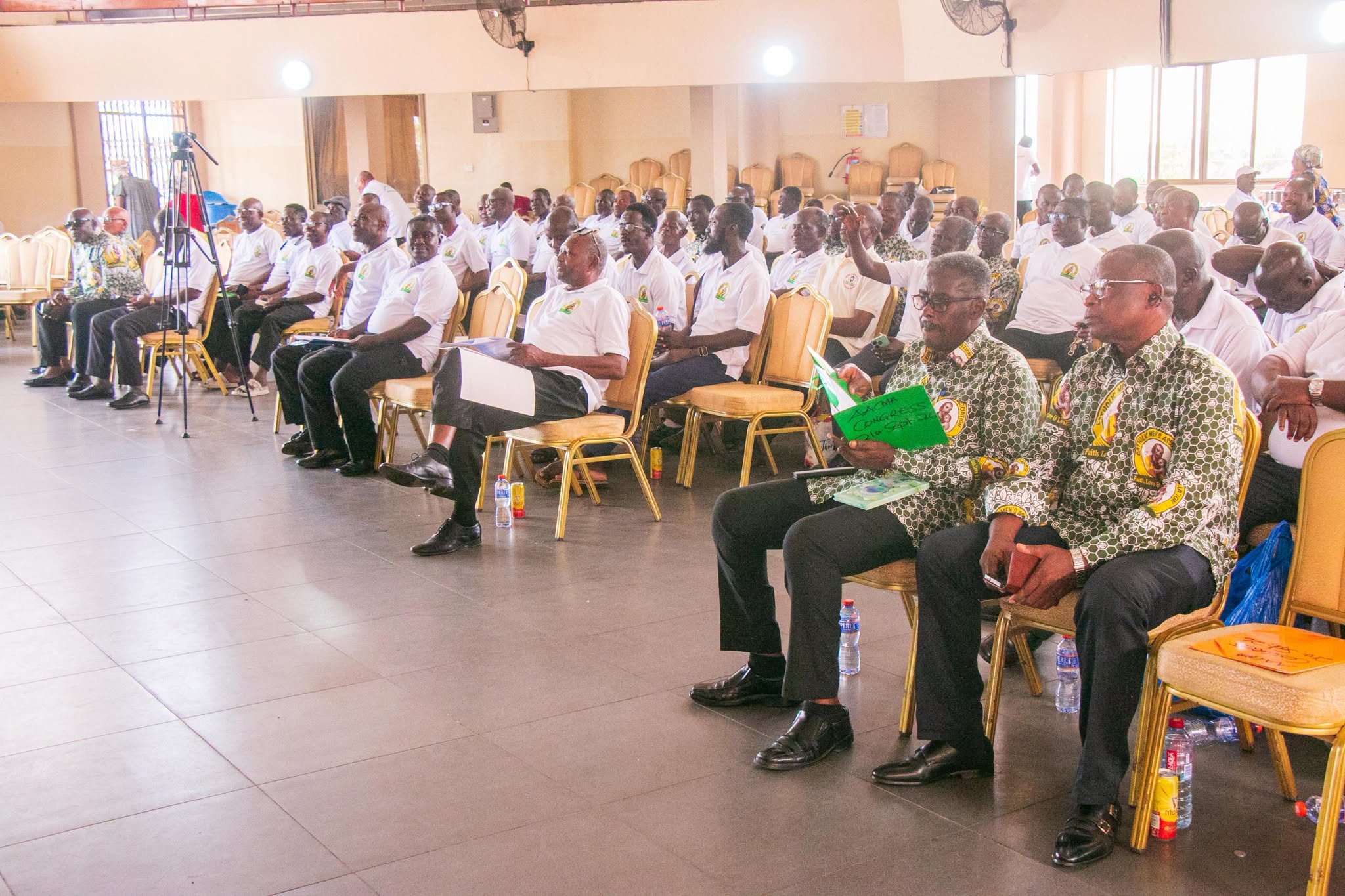
Held under the theme, “Transforming the Peace and Security Landscape in Northern Ghana: The Role of CECOTAPS,” the three day conference brought together Church leaders, government representatives, traditional authorities, development partners, security agencies, peace practitioners and civil society organisations to chart a renewed course for the Church’s peacebuilding ministry.
Bishop Angkyier said peace has remained a central pastoral priority of the Diocese of Damongo since its establishment, explaining that the Diocese identified sustainable peace as essential to the growth of both the Church and society.

“Unity and peace therefore became a key strategic objective of the Diocese from its very inception,” he said, noting that CECOTAPS was established two years after the Diocese adopted its first strategic plan to help realise that vision.
While acknowledging the centre’s achievements over the past 27 years, the Bishop said CECOTAPS has also faced challenges, including limited funding, inadequate infrastructure, personnel constraints and governance issues.
He said the idea to relaunch the centre emerged shortly after the inauguration of its new governing board but had to be delayed due to unforeseen challenges.
“Now that we have this conference, I consider it very timely and indeed very appropriate and relevant, especially given some of the events that have happened in our area here in the past year or two years,” Bishop Angkyier said.
He expressed hope that discussions at the conference would generate practical recommendations and partnerships to reposition the centre to better serve communities affected by conflict.
“It is my hope that the sessions would explore new paths and practical ways of assisting CECOTAPS to reposition itself to contribute more effectively to its mission in the face of the current challenges of peace and security in Northern Ghana,” he added.
The Bishop also highlighted collaboration as one of the Diocese’s core values, saying partnerships with organisations that share the Church’s commitment to peace and integral human development would be crucial to the centre’s renewed mission.
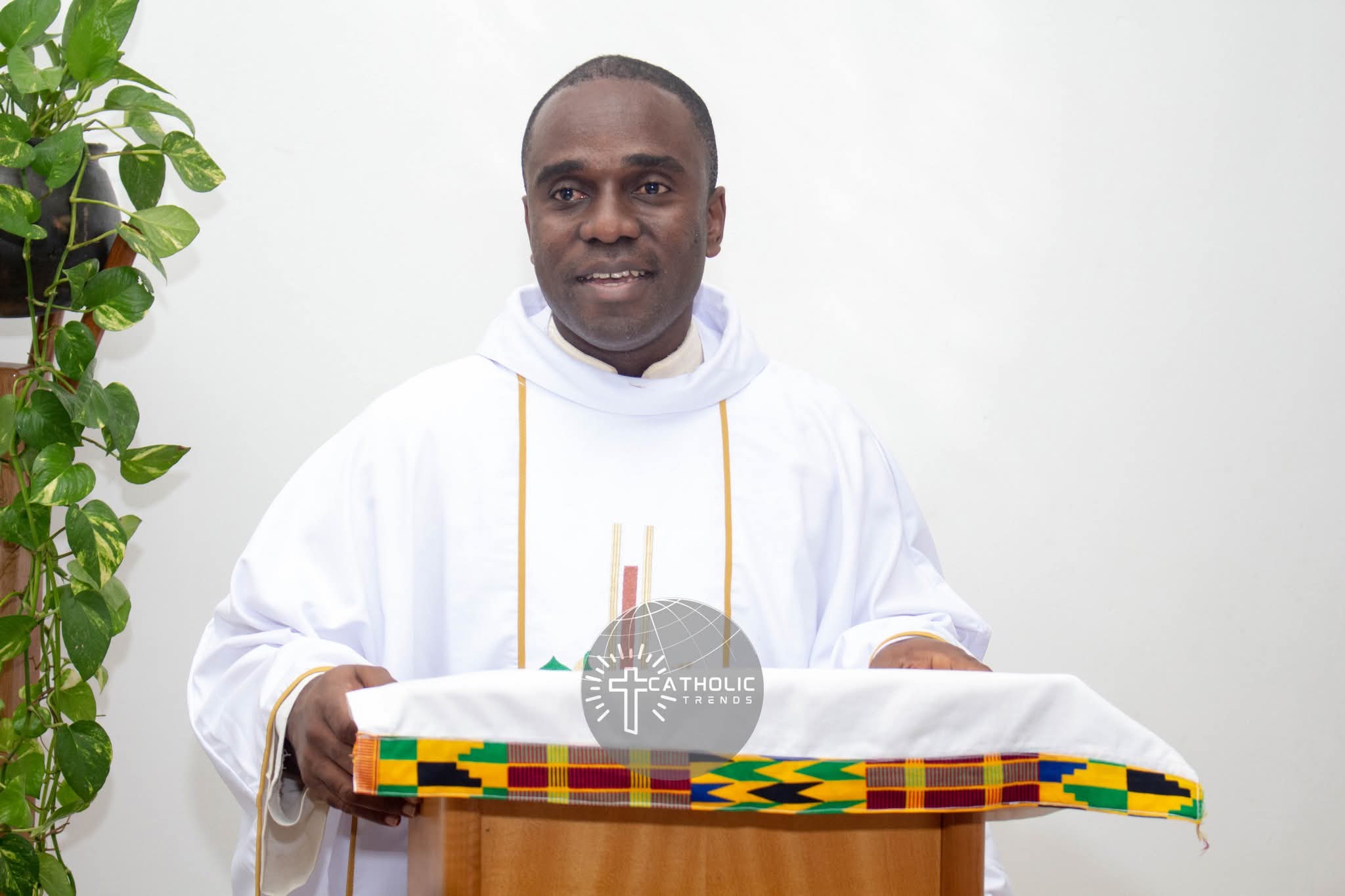
Delivering the keynote address, Rev. Fr. Dr. Clement Aapengnuo, Country Director of COGINTA Ghana, traced the origins of CECOTAPS to one of the darkest periods in Northern Ghana’s history, when recurring ethnic conflicts devastated communities across the region.
“The story of CECOTAPS was born out of pain,” he said.

Fr. Aapengnuo recalled that between 1980 and 2002, Northern Ghana recorded at least 26 documented violent ethnic conflicts, including the 1994 to 1995 conflict that claimed about 2,000 lives, displaced an estimated 200,000 people and destroyed hundreds of villages.
He said beyond the loss of lives and property, the conflicts fractured the long standing sense of solidarity that had once united the peoples of Northern Ghana.
Reflecting on the centre’s impact over the past quarter century, Fr. Aapengnuo said CECOTAPS had helped shape Ghana’s peacebuilding landscape at a time when conflict transformation was still a relatively unfamiliar concept.
“When the project started, people would ask us, ‘What is peacebuilding and conflict transformation?’ Today, there is hardly any institution of higher learning that does not have a peacebuilding or conflict resolution programme in one form or another,” he said.
He noted that CECOTAPS has contributed to training peace practitioners, strengthening local peace infrastructure and promoting dialogue across conflict affected communities in Northern Ghana.
The conference, which runs from July 28 to 30, is expected to develop strategies for repositioning CECOTAPS as a leading institution for conflict transformation, peacebuilding and sustainable development in Northern Ghana.





Discussion about this post