


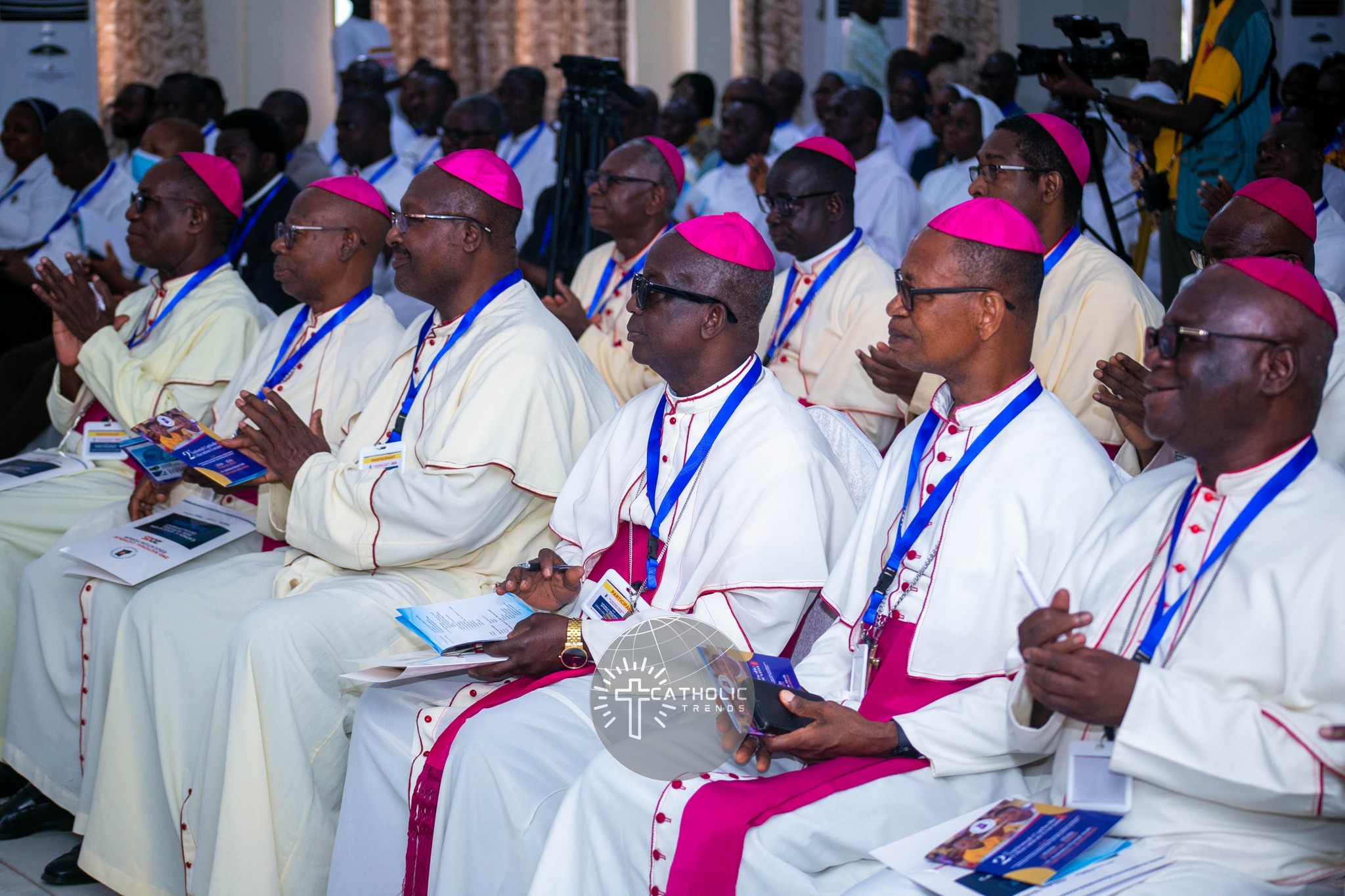
SAFEGUARDING SACRED SPACE: A PASTORAL DIRECTIVE ON POLITICAL NEUTRALITY
“My house shall be a house of prayer for all peoples” (Isaiah 56:7)
Beloved People of God in Ghana, grace and peace be with you!
We, the Ghana Catholic Bishops’ Conference, feel compelled to address the use of church premises for partisan campaigning following recent and previous developments. This is especially necessary as some of the venues involved were Catholic churches. Our conscience and pastoral responsibility oblige us to speak on this issue, guided by Scripture, the teachings of the Church, and sound pastoral discernment. This practice violates the sacred identity of our churches and demands an unambiguous response. This directive therefore provides clear guidance for all dioceses, parishes, and institutions in Ghana.
1. The Inviolable Nature of the Consecrated Church
A Catholic church is a sacred space consecrated as a house of God and a house of the Church. The Catechism of the Catholic Church teaches that it is a sign of “the dwelling of God with men reconciled and united in Christ” (CCC 1180), existing for the hearing of God’s Word and the celebration of the Eucharist (CCC 1181). Its holiness is permanent, affirmed by the reserved Blessed Sacrament, and is not suspended between liturgical services. To use this consecrated building for partisan political activity is a fundamental contradiction. It profanes what is holy and obscures the building’s true, God-given purpose.
2. Foundational Norms: Divine Law and Ecclesiastical Discipline
Our position is anchored in divine revelation and Church law. Christ himself cleansed the Temple, declaring: “My house shall be called a house of prayer for all peoples. But you have made it a den of robbers” (Mark 11:17). This prophetic action defends the sacred against all misuse. Church law codifies this principle. The Code of Canon Law states: “In a sacred place, only those things are permitted which serve the exercise or promotion of worship, piety, and religion” (Canon 1210).
Partisan politics serves none of these ends. Permitting it creates scandal, potentially leading the faithful into error (cf. CCC 2284), and constitutes a grave misuse of the liturgical environment.
3. Prophetic Mission and the Imperative of Institutional Neutrality
The Church’s duty to promote justice and the common good must be clearly distinguished from partisan alignment. While the Church “respects and promotes the political freedom and responsibility of the citizen” (CCC 2245), it cannot and must not identify with any political party or faction. Its primary social contribution is the formation of upright consciences (CCC 2244).
Allowing political campaigning within our sacred walls compromises this essential institutional neutrality, creating a public perception of endorsement. This weakens our moral authority, fosters internal division, and hinders our capacity to pastorally address the whole of society. Our prophetic role depends on maintaining a clear distance from temporal political contests.
4. Directives of the Ghana Catholic Bishops’ Conference
As your bishops, united in our pastoral charge, we hereby issue this clear directive grounded in Scripture and the constant teaching of the Church. By our authority, the following norms are to be observed:
- Absolute Prohibition: The use of any consecrated Catholic church building for partisan political campaigning, rallies, or speeches is strictly forbidden at all times.
- Conduct within the Liturgy: Political figures are welcome to attend Mass as private worshippers. They must not use the liturgy or the sanctuary as a political platform. On special occasions such as parish anniversaries, a visiting dignitary may, after the concluding rites and final blessing, be invited to offer brief, non-partisan words of greeting or congratulation.
- Prudential Use of Facilities: Non-partisan civic education or community events may be held in parish halls or other ancillary facilities only with the written permission of the local ordinary. Such events must be openly accessible to all and governed by protocols that prevent any partisan exploitation or confusion regarding the Church’s neutrality.
Implementation
We, your bishops, commit to ensuring the observance of this directive. Parish priests and parochial councils are to apply it faithfully, declining any request that contravenes these norms. We also mandate catechesis on the theology of sacred space and the principles of Catholic social teaching in homilies and ongoing formation programmes. Parishes are encouraged to proactively inform political actors of suitable, non-sacred alternative venues available within the community.
Conclusion
This directive reaffirms our core identity. By protecting the sacred character of our places of worship, we safeguard the integrity of our mission. Only a Church that remains steadfastly a “house of prayer for all peoples” can credibly call every person and party towards the higher demands of justice, truth, and the authentic common good.
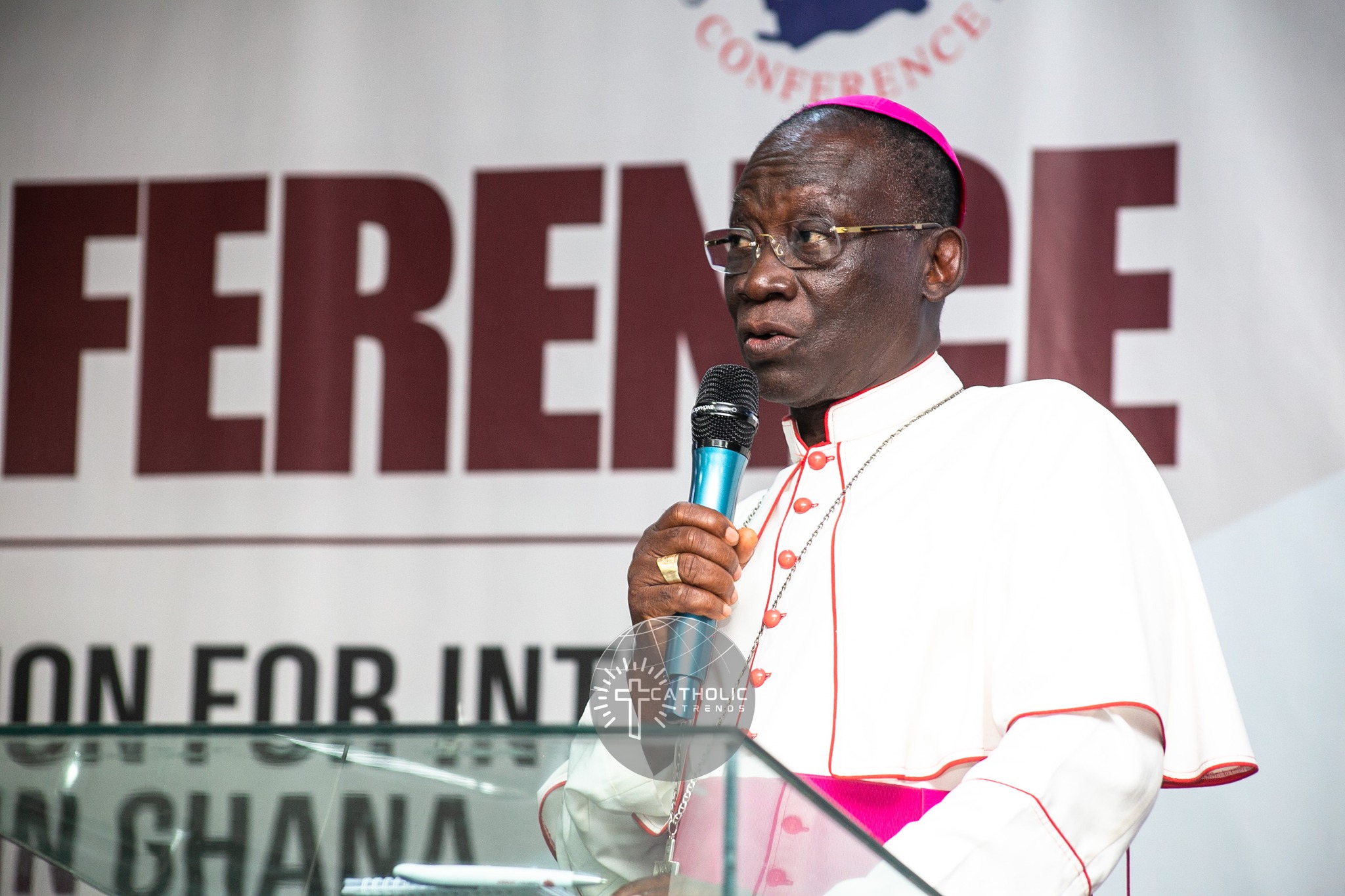
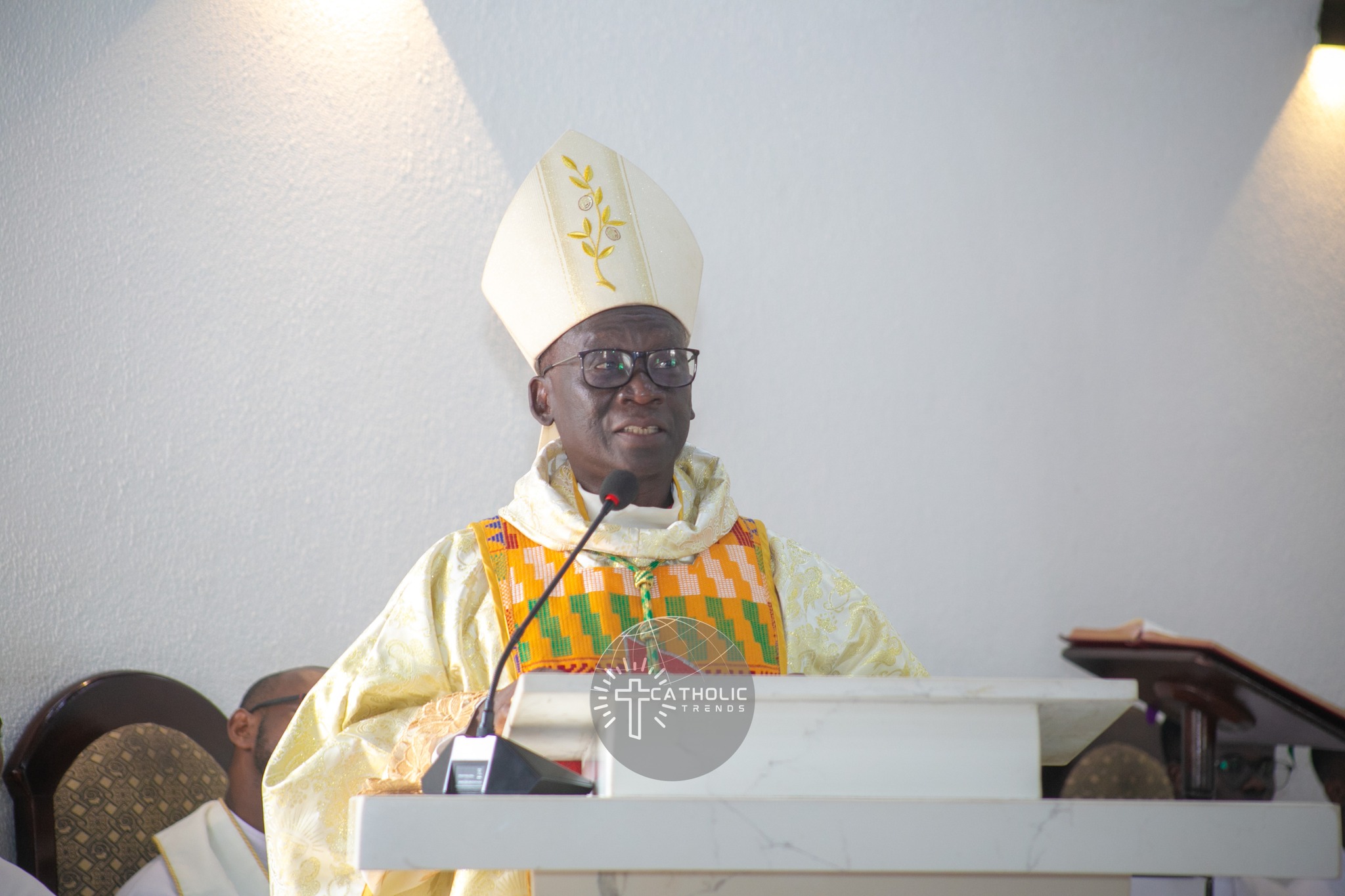
Most Rev. Matthew Kwasi Gyamfi
Bishop of Sunyani and President,
Ghana Catholic Bishops’ Conference
WEDNESDAY, FEBRUARY 18, 2026






Discussion about this post