


Question by Mwinibang Clifford Gongligee:
My Lord, if the human soul comes from God and is described as a spark of the divine, why does God allow souls to be eternally separated from him in hell? How is such a final separation be possible if the soul’s being is sustained by God and its nature longs for its Creator? Does this not imply a contradiction—that what originates from divine goodness can choose permanent self-exclusion from that goodness—and what does this reveal about divine sovereignty and human free will?
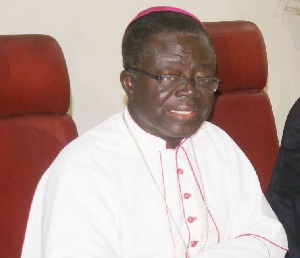
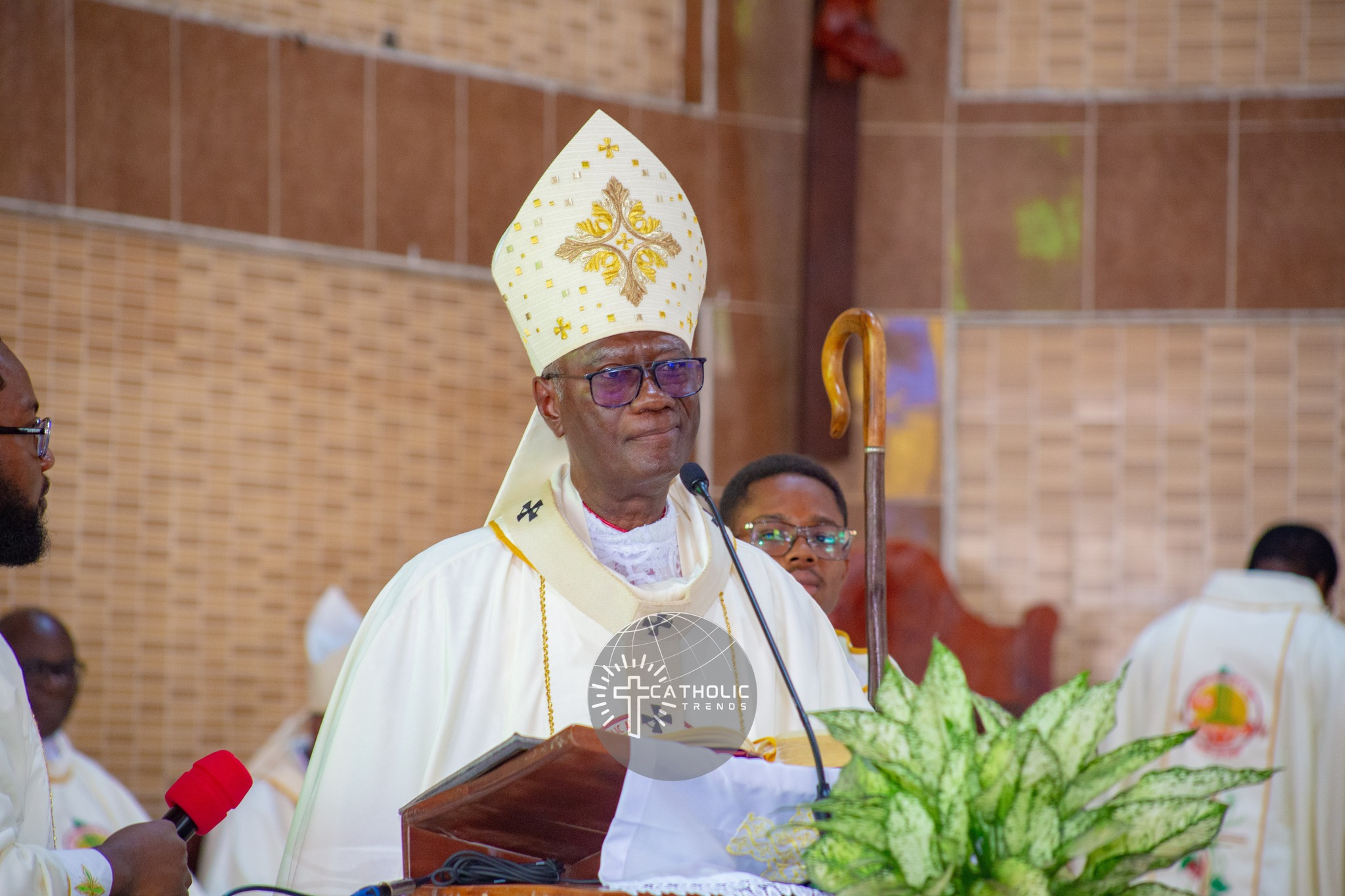
Answer by Most Rev. Joseph Osei-Bonsu:
This question touches on one of the oldest and most difficult debates in theology. It involves the nature of God, the dignity of the human person, and the mystery of free will. The contradiction raised is serious: if the soul is truly a spark of God, how could God allow any part of himself to be lost? Different Christian traditions have given different answers. To answer well, we must first understand what it means for the soul to be a spark of God, and then ask what it would mean for such a soul to perish.
The Soul Is Not a Part of God
Christian teaching makes an important distinction: the soul comes from God, but it is not a part of God. The idea that the soul is literally a divine spark or piece of God is not the normal teaching of Christianity. It resembles an ancient belief called Gnosticism, which the Church rejected. Catholic, Orthodox, and Protestant traditions teach that every soul is created directly by God.
The soul is not produced by parents, nor is it made from God’s own being. God creates each soul and gives it life. The soul reflects God because human beings are made in his image, but it is not made of the same divine substance as God.
This means that when people describe the soul as a “spark of the divine,” they are speaking symbolically. The expression means that the soul reflects qualities that come from God, such as reason, freedom, love, and the ability to know truth. It does not mean that the soul is literally a piece of God.
Saint Augustine and Saint Thomas Aquinas both rejected the idea that souls are parts of God. Instead, they taught that the soul is a created spiritual reality that depends entirely on God for its existence. God alone is eternal, uncreated, and indivisible.
Eastern Orthodox Christianity teaches something similar. Human beings share in God’s grace and life, but not in God’s essence. Because human beings are free, God’s presence can be experienced differently: as joy and light by those who love him, or as suffering by those who reject him. If God allows a soul to be lost, this does not mean that God loses part of himself. Rather, it is like a potter allowing a damaged vessel to be broken.
What Does “Perish” Mean in the Bible?
Many Christians believe that souls in hell continue to exist forever. The usual Christian teaching is not that souls stop existing. The belief that souls are destroyed completely is called annihilationism or conditionalism, and it is accepted by some Christians but rejected by many others. In the Bible, the word “perish” can mean destruction, ruin, or being lost. It does not always mean ceasing to exist. For this reason, Christians understand hell in different ways.
- Eternal Conscious Punishment
The traditional view says that the soul is immortal and continues forever. In this understanding, hell is eternal suffering as the consequence of rejecting God. The soul does not stop existing.
- Eternal Separation from God
This is the view held by Catholics, Orthodox Christians, and many Protestants. According to this understanding, “to perish” means being separated from God forever, not ceasing to exist. Since God is the source of love, peace, joy, and goodness, separation from him becomes a terrible suffering. The soul remains alive but exists without communion with God.
- Conditionalism or Annihilationism
Some Christian thinkers argue that the soul is not naturally immortal. Instead, immortality is a gift from God. In this view, those who finally reject God are destroyed completely rather than punished forever. God withdraws the gift of life from those who refuse him. This understanding tries to solve the problem of eternal suffering by saying that souls do not suffer endlessly.
- Universal Restoration
Another view teaches that hell is temporary and healing. According to this understanding, all souls will eventually repent and return to God. No soul is finally lost forever. Critics of this view argue that it weakens the seriousness of human freedom and moral responsibility.
Why Does God Allow Souls to Be Lost?
According to Catholic teaching, hell exists because of human freedom. God gives human beings the real ability to love him or reject him. Love cannot be forced. If God forced everyone to be united with him, human freedom would no longer be real. God does not desire anyone to be lost. Scripture says that God wants everyone to repent and be saved. However, God also respects human freedom. People who persistently reject God and die in that state remain separated from him. In this understanding, souls are not in hell because God stopped loving them. They are there because they freely chose separation from God. God respects their decision, even though he desires their salvation.
Free Will and the “Spark” Image
Even if someone speaks of the soul as a divine spark, theologians explain that God gave human beings true freedom. Real love requires freedom. A person who is free to love must also be free to reject love. Therefore, God does not throw a part of himself into hell. Instead, he allows people to make real choices. Hell is understood as the result of rejecting God’s love.
The writer C. S. Lewis expressed this idea by saying that in the end there are two kinds of people: those who say to God, “Your will be done,” and those to whom God finally says, “Your will be done.” Saint Augustine also explained that the punishment of hell is separation from the vision of God. In this sense, hell becomes a self-chosen distance from God.
God’s Justice and Mercy
God is both loving and just. Hell exists because God respects human freedom and allows people to experience the consequences of their choices. God does not force himself upon anyone. At the same time, God wants everyone to be saved.
He gives grace, mercy, and many opportunities for repentance. But if someone continues to reject God completely, God allows that person to remain in the separation they freely chose. This does not mean God loses part of himself. Rather, it shows that God respects the dignity of human freedom, even when that freedom is used badly.
Clarifying the Meaning of “Divine Spark”
The soul comes from God through creation, but it is not part of God’s own being. The expression “divine spark” is a metaphor that points to likeness, not sameness. Human beings resemble God in some ways, but they are not divine beings. If the soul were literally a piece of God, then the loss of any soul would mean that God himself suffers loss, which Christianity says is impossible. God remains complete and unchanging.
The Witness of the Early Church
The early Church Fathers also spoke about these matters. Origen described hell as separation from God. John Chrysostom taught that souls continue to exist but suffer from being far from God. Gregory of Nyssa explained that suffering comes from the soul failing to fulfil its true purpose. Augustine taught that the punishment of hell is deprivation of God’s presence. Eastern Orthodox Christians often describe hell differently. They teach that God’s love is experienced as joy by those who accept him and as painful fire by those who reject him.
Conclusion
The problem becomes clearer when we understand that the soul is not part of God but something created by God. God does not allow part of himself to perish in hell. Rather, he allows human beings to exercise the freedom he has given them. The soul was created for union with God, yet human freedom makes rejection possible. God desires everyone to be saved, but he does not force anyone to love him. Love requires freedom, and freedom includes the possibility of saying no.
Some Christians believe souls suffer eternally, some believe souls are destroyed, and others believe all souls will eventually be restored. Yet all these views agree on one point: God does not lose part of himself when a soul is lost, because the soul is created by God, not made from God’s own essence.
| For further explanations or enquiries, you may contact the author, Most Rev. Joseph Osei-Bonsu, Emeritus Catholic Bishop of Konongo-Mampong, on this number: 0244488904, or on WhatsApp (with the same number). |







Discussion about this post