


Question by Yaw Amponsah Enoch:
My Lord, could you kindly explain the theological and canonical distinction between the ordained ministry and the consecrated life? Furthermore, would you please clarify the differences—both in vocation and in mission—between a priest, a religious (sister or brother), and a lay person within the Church?
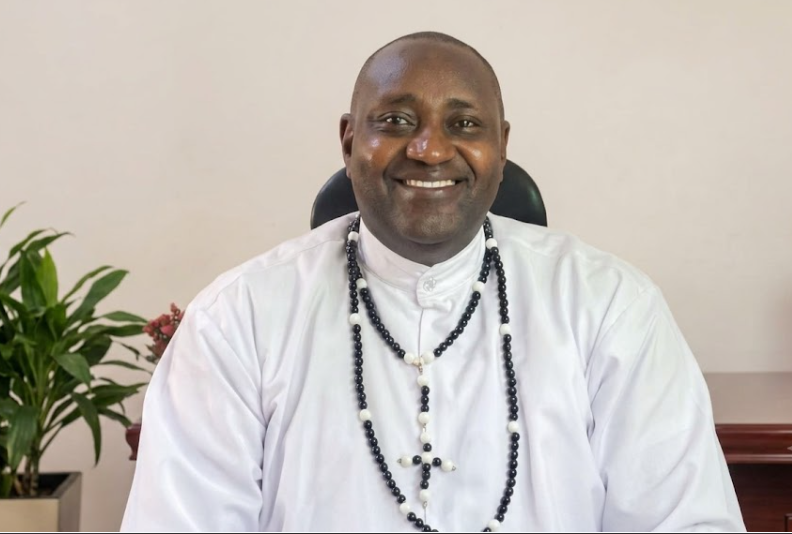
Answer by Most Rev. Joseph Osei-Bonsu:
Dear Yaw, your question concerns an important aspect of the Church’s life and mission. Christ calls his followers to different vocations, each of which contributes in a unique way to the building up of the Church and the spread of the Gospel. Although these vocations differ in nature and purpose, they are complementary and share the common goal of serving God and advancing his Kingdom.
I. The Distinction Between the Ordained and the Consecrated
The terms ordained and consecrated are sometimes used interchangeably, but they express distinct, though closely related, realities within the Church.
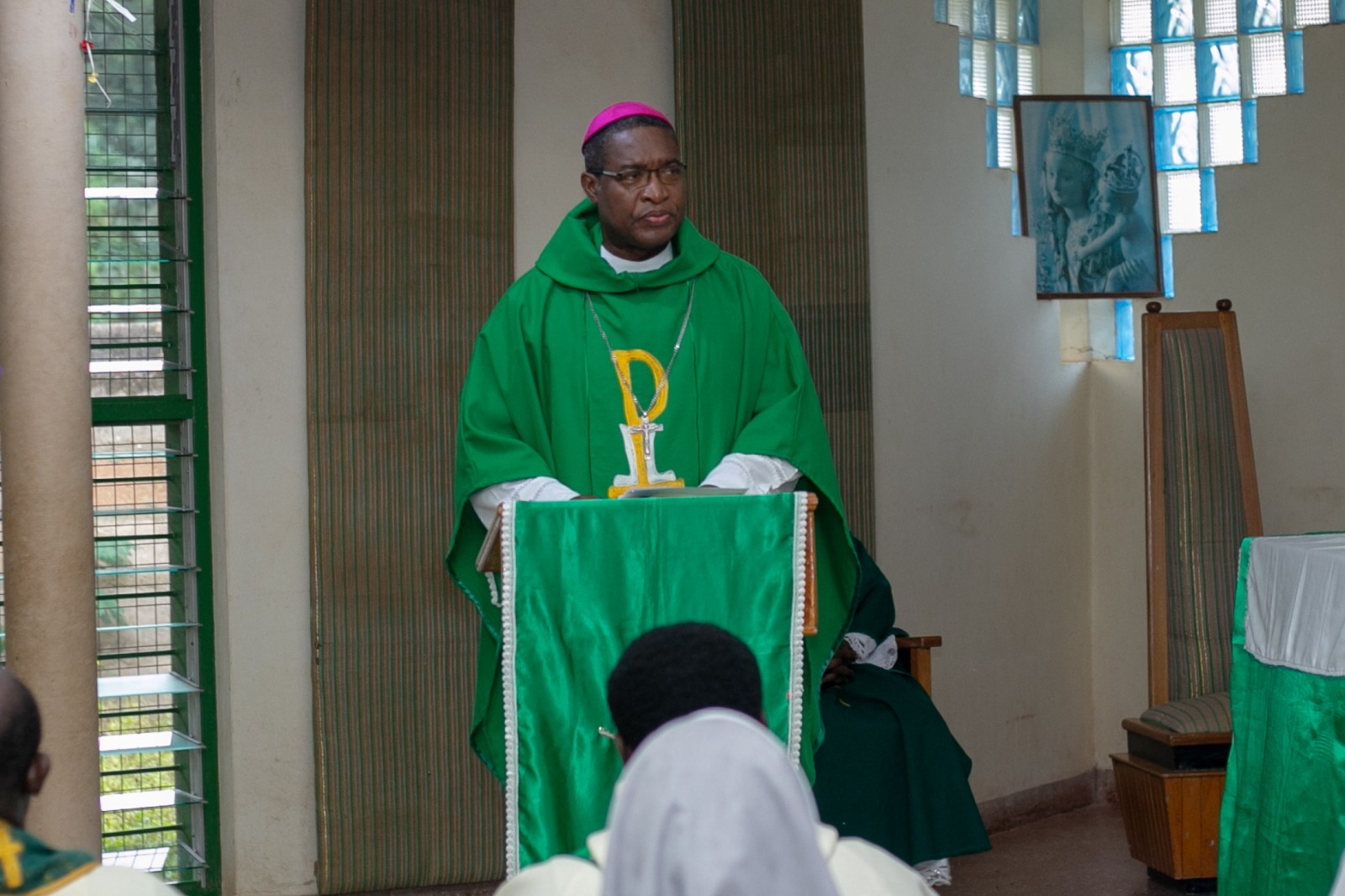
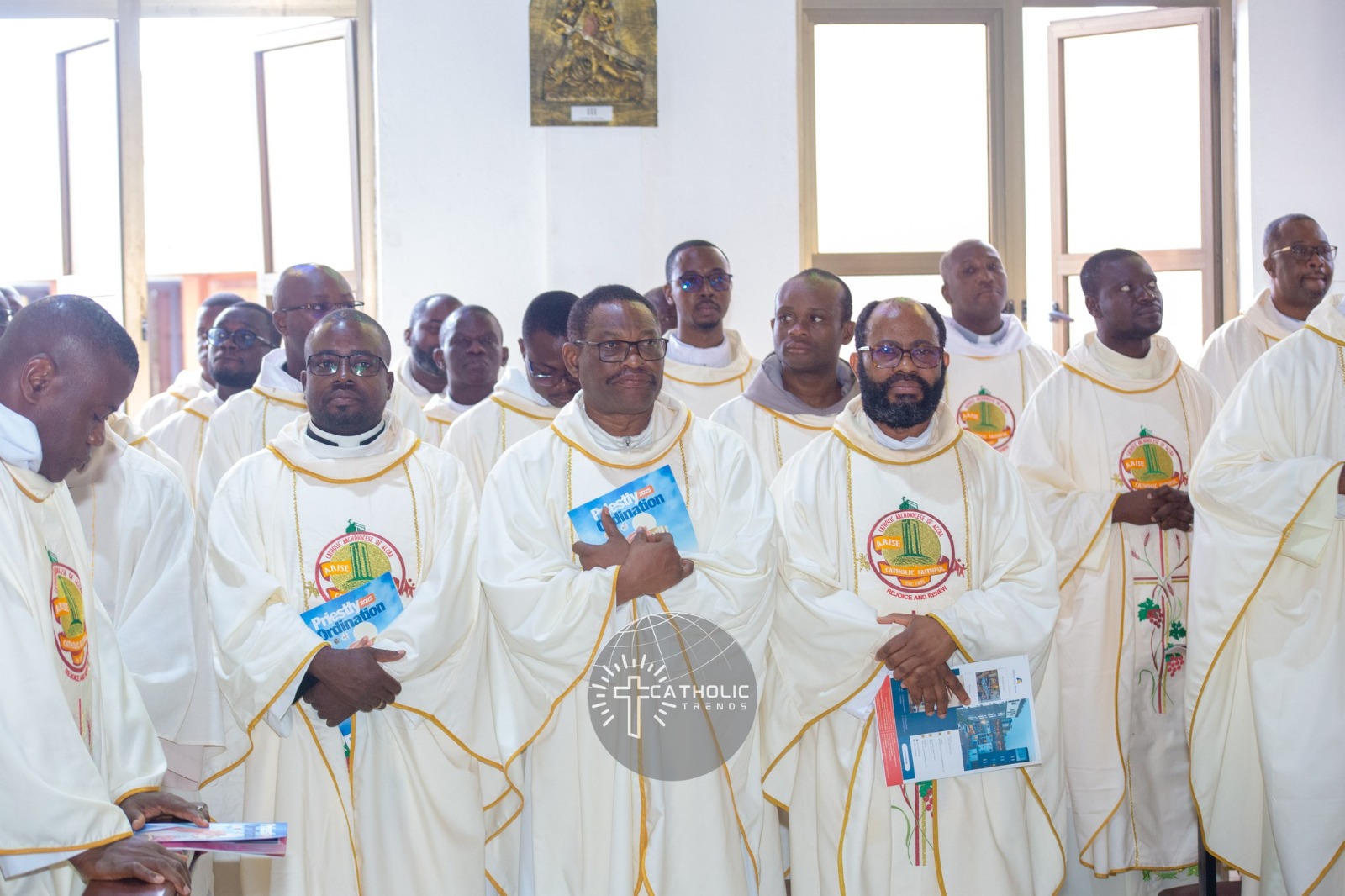
Ordination is the Sacrament of Holy Orders through which a man becomes a deacon, priest, or bishop. Through this sacrament, he is configured to Christ in a unique and permanent way, receives an indelible sacramental character, and is endowed with the grace and authority necessary for sacred ministry. Bishops and priests are entrusted with teaching, sanctifying, and governing the People of God, acting in persona Christi Capitis (“in the person of Christ the Head”), especially in the celebration of the Eucharist and the administration of the sacraments.
The Church’s liturgical and canonical tradition makes clear that ordination is itself a true act of consecration. The essential rite consists of the laying on of hands and the Prayer of Ordination, traditionally regarded as the consecratory prayer through which the Holy Spirit is bestowed upon the ordinand. Canon law itself refers to “the consecratory prayer” prescribed for the various degrees of Holy Orders.
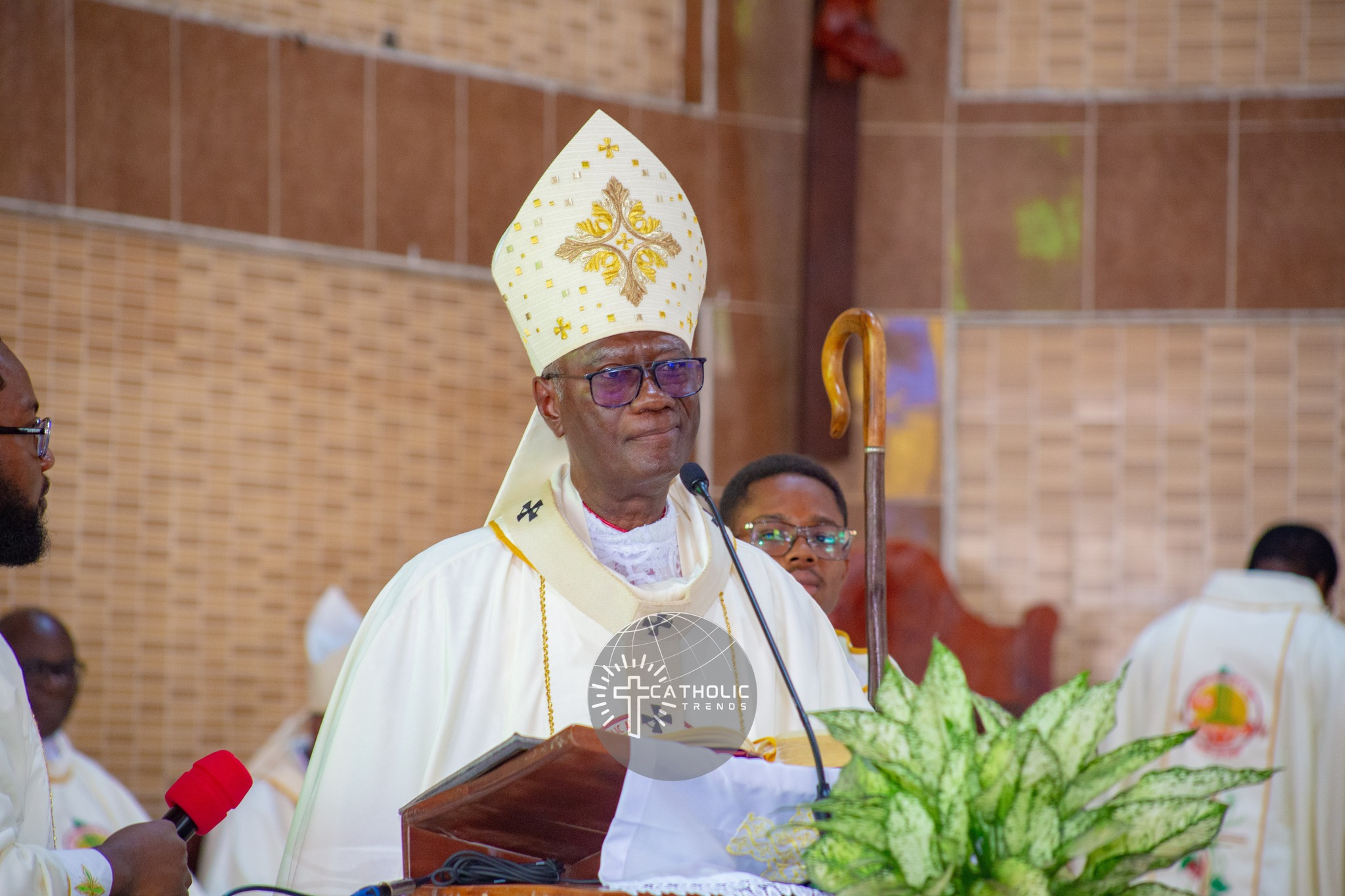
This consecratory character is evident in the rites of ordination. In the Ordination of Priests, the bishop prays: “Grant, we pray, Almighty Father, to these your servants the dignity of the Priesthood; renew deep within them the Spirit of holiness.” In the Ordination of Bishops, the principal prayer asks God to pour out upon the bishop-elect “the governing Spirit” given to Christ and the Apostles. The rite itself speaks of the bishop-elect being “consecrated”, reflecting the Church’s traditional expression “episcopal consecration”.
The anointing with sacred chrism further expresses this consecration. The head of a bishop and the hands of a priest are anointed as visible signs that they have been set apart for sacred service. Through ordination, therefore, a person is permanently consecrated and entrusted with a sacred mission in the Church.
Consecration, however, is broader than ordination. It refers generally to a person being set apart for God and can take various forms. Thus, while every ordained person is consecrated, not every consecrated person is ordained. A religious sister, for example, is consecrated through the profession of the evangelical counsels but does not receive Holy Orders. Likewise, a diocesan priest is consecrated through ordination but does not belong to the consecrated life in the canonical sense.
Some persons are both ordained and consecrated in the religious sense. Religious priests, such as Jesuits, Dominicans, Franciscans, Spiritans, or Missionaries of Africa, receive the sacramental consecration of Holy Orders and also embrace the consecrated life through religious profession.
In summary, ordination is a sacramental form of consecration conferred through Holy Orders, whereas consecration in its broader sense includes other forms of total dedication to God, particularly the religious life. Every ordained person is consecrated, but not every consecrated person is ordained.
II. The Differences Between a Lay Person, a Priest and a Religious
The Catechism teaches that all the baptised share equally in the dignity that comes from Baptism. Nevertheless, they differ in vocation, role, and mission within the Church.
The Lay Faithful
The laity are those baptised members of the Church who are neither ordained ministers nor members of institutes of consecrated life. Through Baptism they become members of Christ’s Body and participate in his threefold office as Priest, Prophet, and King.
They share in Christ’s priestly office by offering their daily lives to God as spiritual sacrifices; in his prophetic office by witnessing to the Gospel through word and example; and in his kingly office by striving to transform society according to the values of God’s Kingdom.
The vocation of the laity is rooted in Baptism, the foundation of the Christian life and the gateway to the other sacraments. The Second Vatican Council strongly emphasised that all the baptised are called to holiness and to active participation in the Church’s mission.
The distinctive mission of the laity is to seek the Kingdom of God by engaging in temporal affairs and ordering them according to God’s will. Their primary field of apostolate is the world itself: family life, education, politics, business, culture, the media, and civic society. Through their witness and service, they sanctify the world from within and bring Christian values into every sphere of human activity.
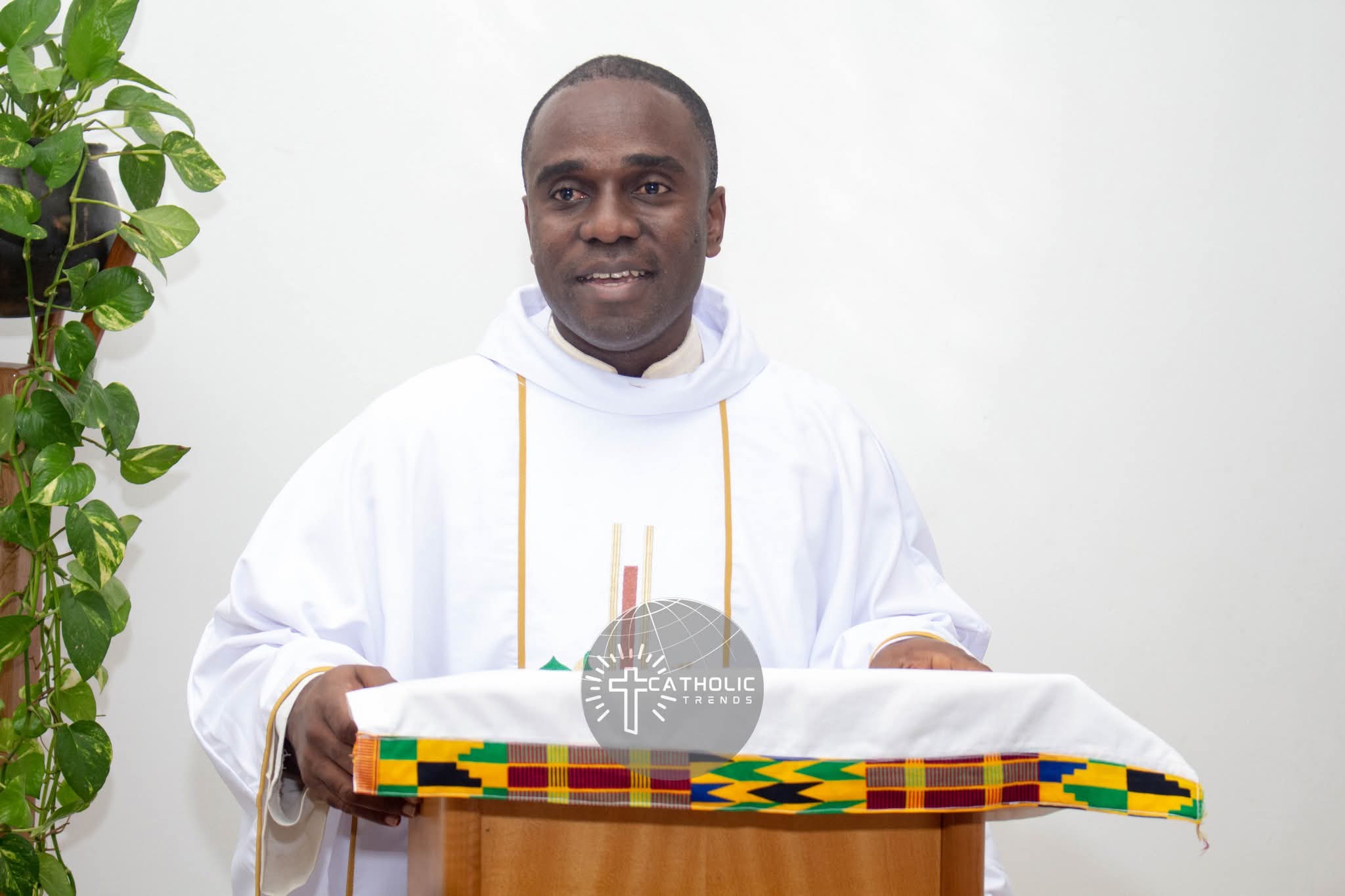
The Priest
A priest is an ordained minister who has received Holy Orders in the degree of the presbyterate. Although he does not possess the fullness of the sacrament as a bishop does, he is united with the bishop and shares in the bishop’s priestly ministry. The Second Vatican Council describes priests as “co-workers of the episcopal order” (Presbyterorum Ordinis, no. 2). They assist the bishop in carrying out Christ’s mission of teaching, sanctifying, and governing the People of God.
Through ordination, priests are configured to Christ the Priest and empowered to preach the Gospel, celebrate the sacraments, especially the Eucharist, and provide pastoral care for the faithful. They exercise their ministry in communion with the bishop and under his authority.
There are two principal forms of priestly life in the Latin Church. Diocesan priests are ordained for service in a particular diocese or archdiocese. They ordinarily promise celibacy and obedience to the diocesan bishop and devote themselves to the pastoral needs of the local Church, often serving in parishes, schools, chaplaincies, and diocesan institutions.
Religious priests belong to religious institutes such as the Jesuits, Dominicans, Franciscans, Salesians, Spiritans, or Missionaries of Africa. In addition to ordination, they profess the evangelical counsels of poverty, chastity, and obedience according to the constitutions of their institute.
They exercise priestly ministry according to the charism and mission of their religious community while remaining in communion with the local bishop wherever they serve. Although diocesan and religious priests share the same sacramental priesthood, they live it within different spiritual and canonical frameworks.
The Religious
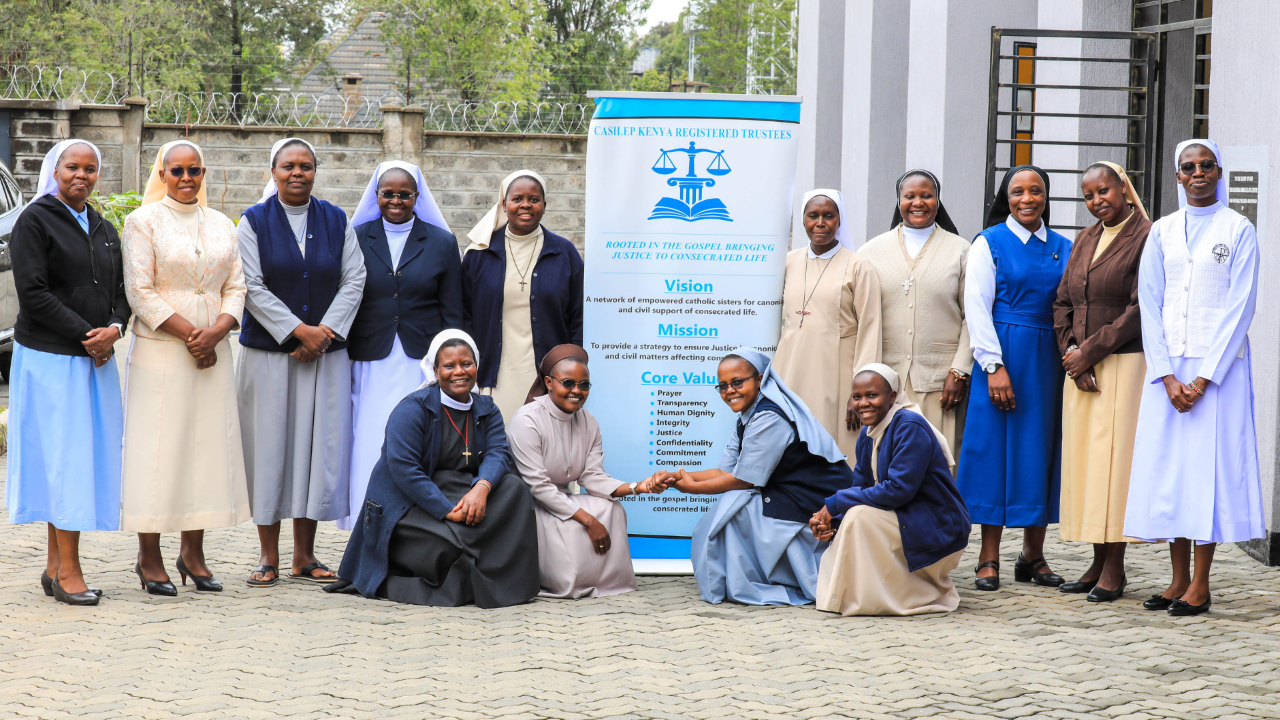
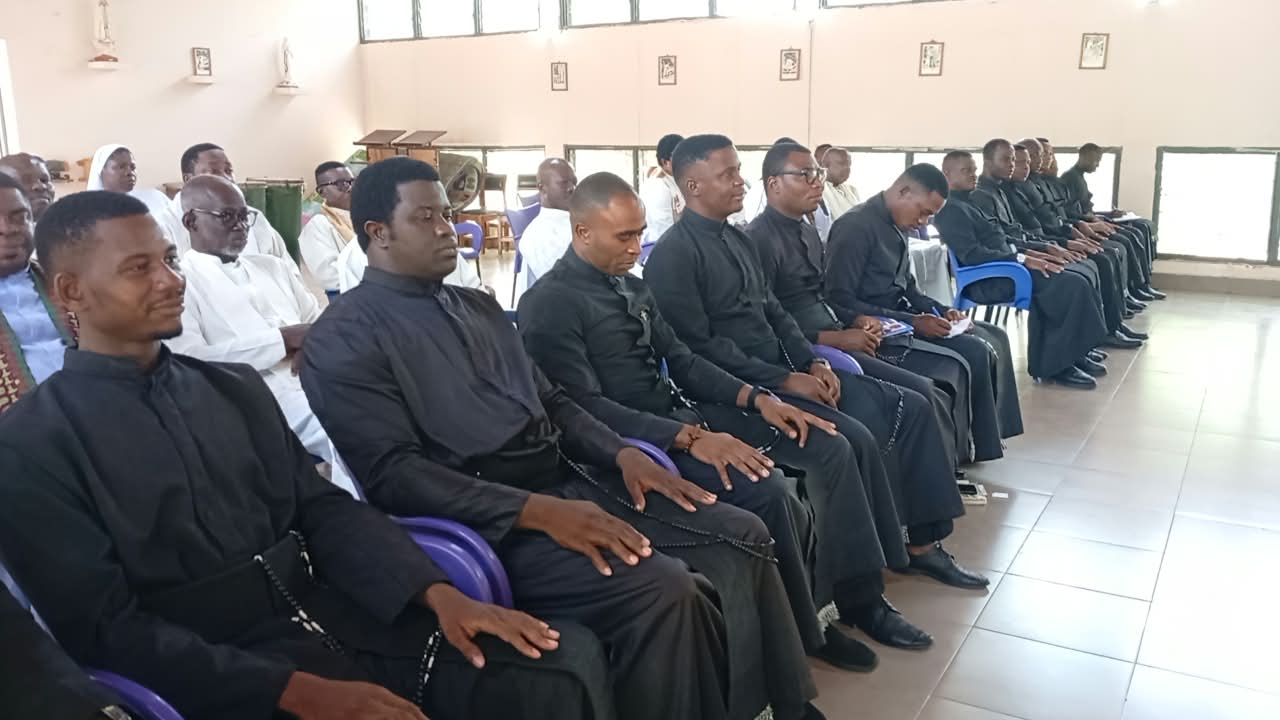
A religious is a baptised person who publicly professes the evangelical counsels of poverty, chastity, and obedience within a recognised institute of consecrated life. The defining characteristic of a religious is not ordination but consecration through vows and commitment to a particular charism and community.
Some religious are priests, while many are brothers or sisters who are not ordained. Their vocation is to follow Christ more closely through prayer, community life, and apostolic service. By their public profession of the evangelical counsels, they become a visible sign of the Kingdom of God.
The consecrated life has a special significance in the Church because it points beyond the realities of this world to the life to come. Through their vows, religious men and women bear witness that God alone is sufficient and worthy of complete dedication. Their lives remind all Christians that earthly possessions, marriage, and personal autonomy, though good in themselves, are not ultimate realities.
III. Religious Institutes and Their Diversity
A religious institute is a stable community of men or women who profess public vows and live according to a rule or constitution approved by the Church. Each institute possesses a particular charism inherited from its founder or foundress, and this charism shapes its spirituality, community life, and apostolic mission.
Religious institutes take various forms. Some are ancient religious orders, such as the Benedictines, Dominicans, and Franciscans. Others are religious congregations founded for particular apostolic works, including missionary activity, education, healthcare, and social service.
Another form of consecrated life is found in secular institutes. Their members profess the evangelical counsels while remaining fully engaged in ordinary secular life. They generally do not wear religious habits or live in community. Their mission is to sanctify the world from within through their presence in professional and social life.
Religious institutes may also be monastic or apostolic. Monastic communities emphasise contemplation, prayer, and the worship of God. Apostolic institutes devote themselves more directly to preaching, education, missionary work, and pastoral ministry.
Despite their diversity, all religious institutes share a commitment to prayer, the evangelical counsels, community life, and service. Each contributes to the Church’s mission according to its own charism, and each represents a gift of the Holy Spirit for the good of the whole Church.
IV. Pastoral Reflection
It is important not to think of these states of life as different levels of holiness. The Catechism teaches that among all the baptised there exists “a true equality with regard to dignity and action” in building up the Body of Christ. Every Christian is called to holiness and to the perfection of charity. The difference between priest, religious, and lay person is therefore not one of dignity but of vocation and mission. A devoted lay person, a faithful religious sister or brother, a priest, or a bishop can all attain great holiness through fidelity to God’s grace.
The Church needs all these vocations. The laity sanctify the world from within. Religious bear prophetic witness to the Kingdom that is to come. The ordained teach, sanctify, and shepherd God’s people through word and sacrament. These vocations are complementary rather than competitive, and together they reveal the richness of the gifts bestowed by the Holy Spirit.
Like the many members of one body described by St Paul, each vocation performs a distinct function while contributing to the life of the whole Church. When lived faithfully and generously, these vocations strengthen the Church and make Christ’s saving work more visible in the world.
May God help each of us to discern and faithfully live the vocation to which he has called us. Every vocation is a path to holiness and a means of serving the Church and the world according to God’s plan.
| For further explanations or enquiries, you may contact the author, Most Rev. Joseph Osei-Bonsu, Emeritus Catholic Bishop of Konongo-Mampong, on this number: 0244488904, or on WhatsApp (with the same number). |




Discussion about this post