


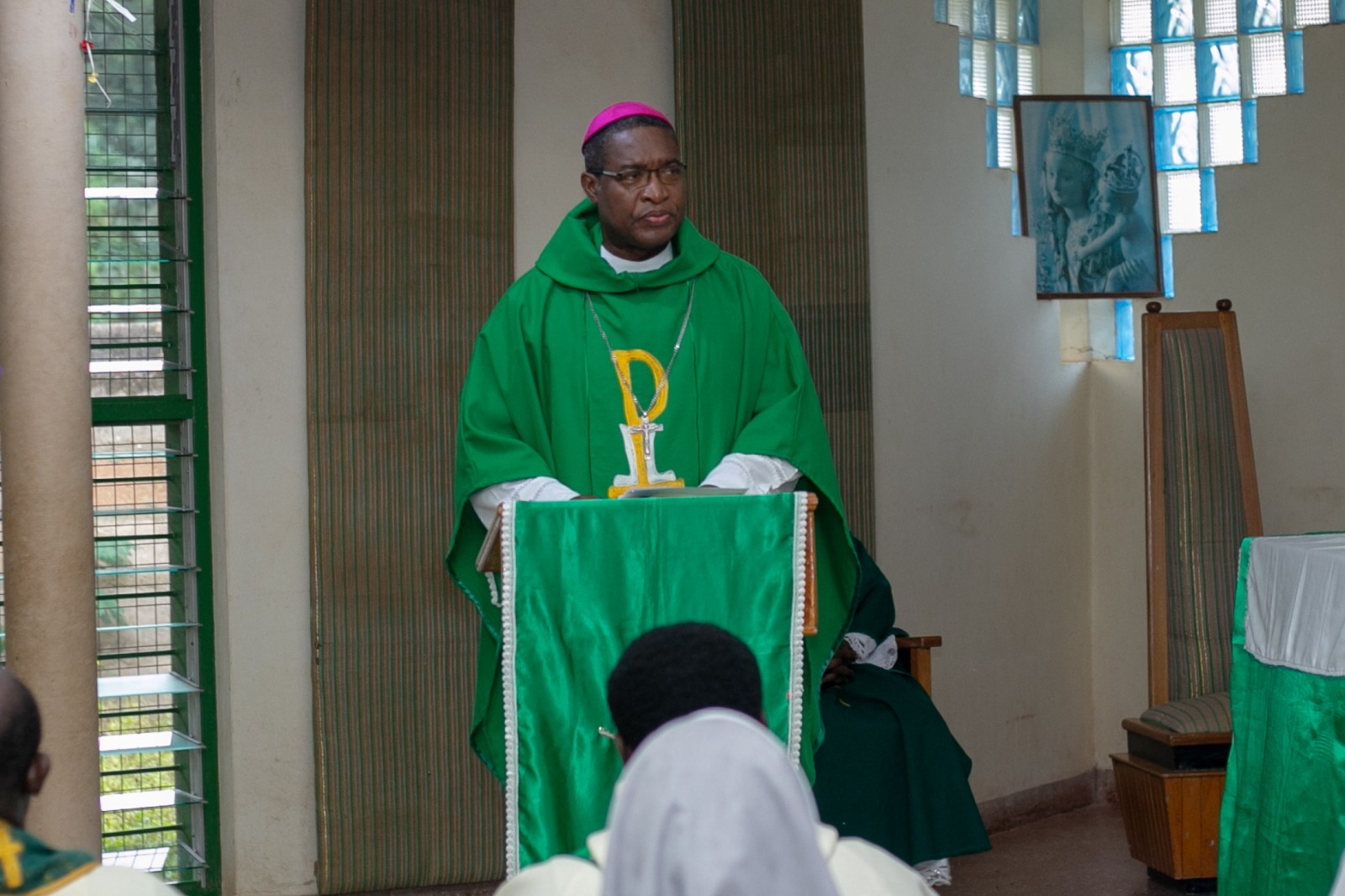
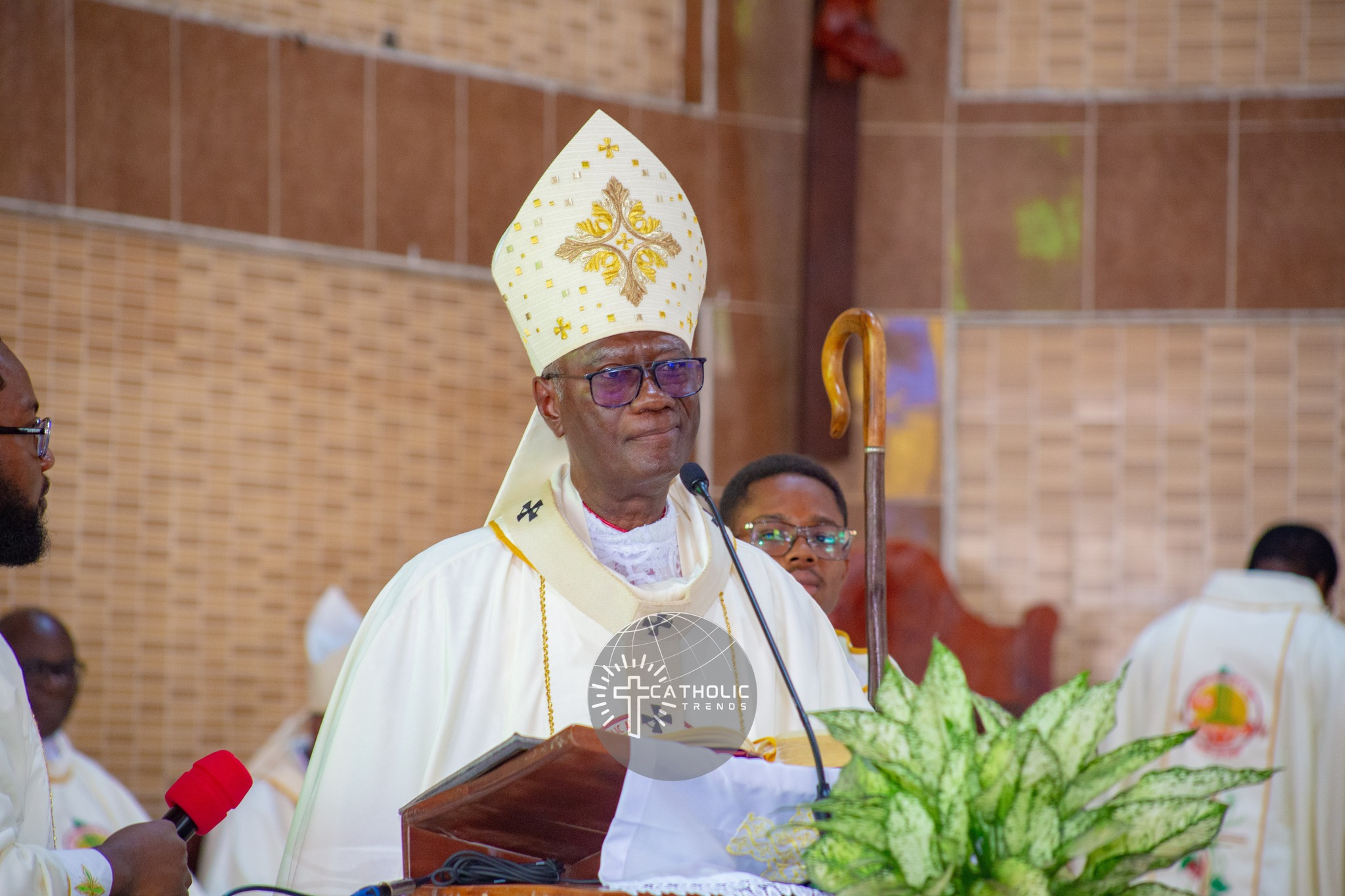
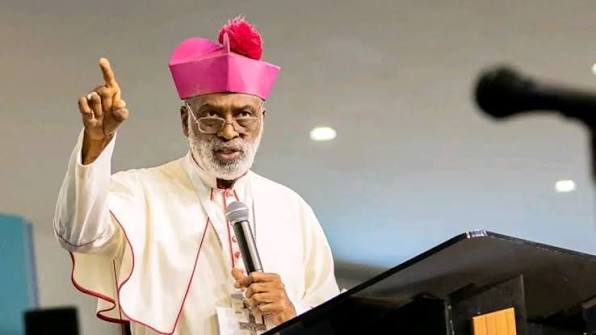
The Catholic Archbishop of Kumasi, Most Rev. Gabriel Justice Yaw Anokye, has said Ghana’s security should be measured not only by the strength of its institutions but also by the hope offered to young people, the inclusion of vulnerable communities and the trust built between citizens and public institutions.
Speaking at the 2026 National Forum of the Sahel Peace Initiative (SPI) in Accra on July 23, Archbishop Anokye called for stronger early warning systems, greater community resilience and closer collaboration among key stakeholders to protect Ghana from the growing security threats spilling over from the Sahel.
The forum, held under the theme “Spill Over Risk from the Sahel: Assessing Ghana’s Security Preparedness and Early Warning Systems,” brought together government officials, security experts, faith leaders, civil society organisations and development partners to examine Ghana’s preparedness in the face of increasing instability across the sub region.
Archbishop Anokye, who is also the Episcopal Chair for the Governance, Justice and Peace Directorate of the National Catholic Secretariat of Ghana, described the gathering as an important opportunity to strengthen the country’s response to emerging security challenges.
“This forum provides an important opportunity to reflect together on how Ghana can continue to strengthen its early warning systems, reinforce community resilience, and deepen collaboration among state institutions, faith communities, traditional authorities, civil society, and development partners,” he said.
The Archbishop stressed that the Church’s commitment to peace building is rooted in its Gospel mission and the principles of Catholic social teaching.
“For the Catholic Church, peace building is not simply a programme of work. It is part of our Gospel mission,” he said.
He explained that authentic peace is founded on justice, respect for human dignity, solidarity and the pursuit of the common good.
“Security therefore is not measured only by the strength of our institutions but also by the hope we give our young people, the inclusion we extend to vulnerable communities, and the trust we build between citizens and public institutions,” Archbishop Anokye said.
He commended the Government of Ghana and the country’s security agencies for their continued vigilance in safeguarding the nation. He also praised development partners, faith communities and civil society organisations for strengthening social cohesion and promoting peaceful coexistence.
Archbishop Anokye expressed the hope that the forum would produce practical recommendations to improve Ghana’s preparedness while preserving the values that have made the country a peaceful and united nation.
He urged participants to work together with the conviction that “preventing conflict is always better than responding to it.”
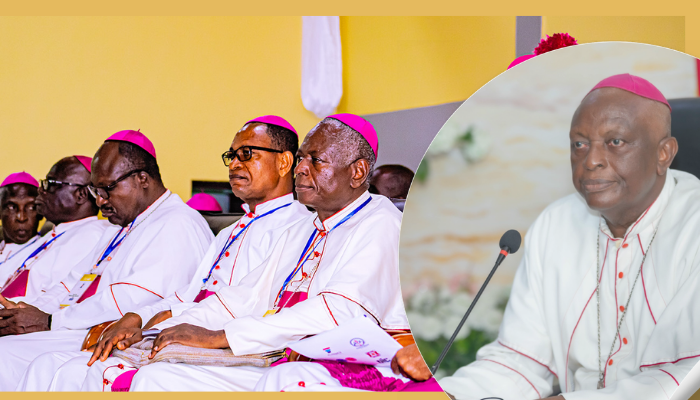
Welcoming delegates from Francophone West Africa, the Archbishop thanked them for joining the discussions, describing their presence as a sign of the region’s shared commitment to peace and stability..
The Sahel Peace Initiative was launched in 2019 by the Episcopal Conferences of Burkina Faso, Mali, Niger, Ghana and Côte d’Ivoire in partnership with Catholic Relief Services. The initiative seeks to make the Church a leading force for peace and social transformation by bringing together spiritual, community and technical efforts to restore hope in communities affected by conflict and instability across the Sahel.
This version puts the Archbishop’s strongest and most distinctive message in the headline while allowing the first paragraphs to naturally introduce the Sahel security context. It also gives the story a clearer Church angle rather than sounding like a general security report.





Discussion about this post