Advert Advert Advert
ADVERTISEMENT
Saturday, November 21, 2026
Catholic Trends
  • Home
  • News
    • Ghana
    • Africa
    • International
    • Health & Education
  • Articles
  • Prayers
  • Media
    • CT Radio
    • Video
  • Letters
  • Statements
No Result
View All Result
  • Home
  • News
    • Ghana
    • Africa
    • International
    • Health & Education
  • Articles
  • Prayers
  • Media
    • CT Radio
    • Video
  • Letters
  • Statements
No Result
View All Result
Catholic Trends
No Result
View All Result

Synodality calls for consultation, not a transfer of authority – West Africa Synobs representative

Catholic Trends by Catholic Trends
July 28, 2026
in Africa, News
Reading Time: 2 mins read
A A
0
84
VIEWS
Share on FacebookShare on WhatsApp Share on X Share on Telegram
Catholic Trends WhatsApp Channel Catholic Trends WhatsApp Channel Catholic Trends WhatsApp Channel
ADVERTISEMENT

RelatedPosts

WAYD: You are the today of God and the Church – Pope Leo XIV tells West African youth

WAYD : RECOWA urges West African Catholic youth to become artisans of reconciliation

Synodality affirms Africa’s culture of participation, communion –  East Africa Observatory representative

The Regional Representative for Anglophone West Africa on the Synodality Observatory has said the Synod on Synodality is not about taking authority away from bishops and priests but about strengthening consultation and shared responsibility within the Catholic Church.

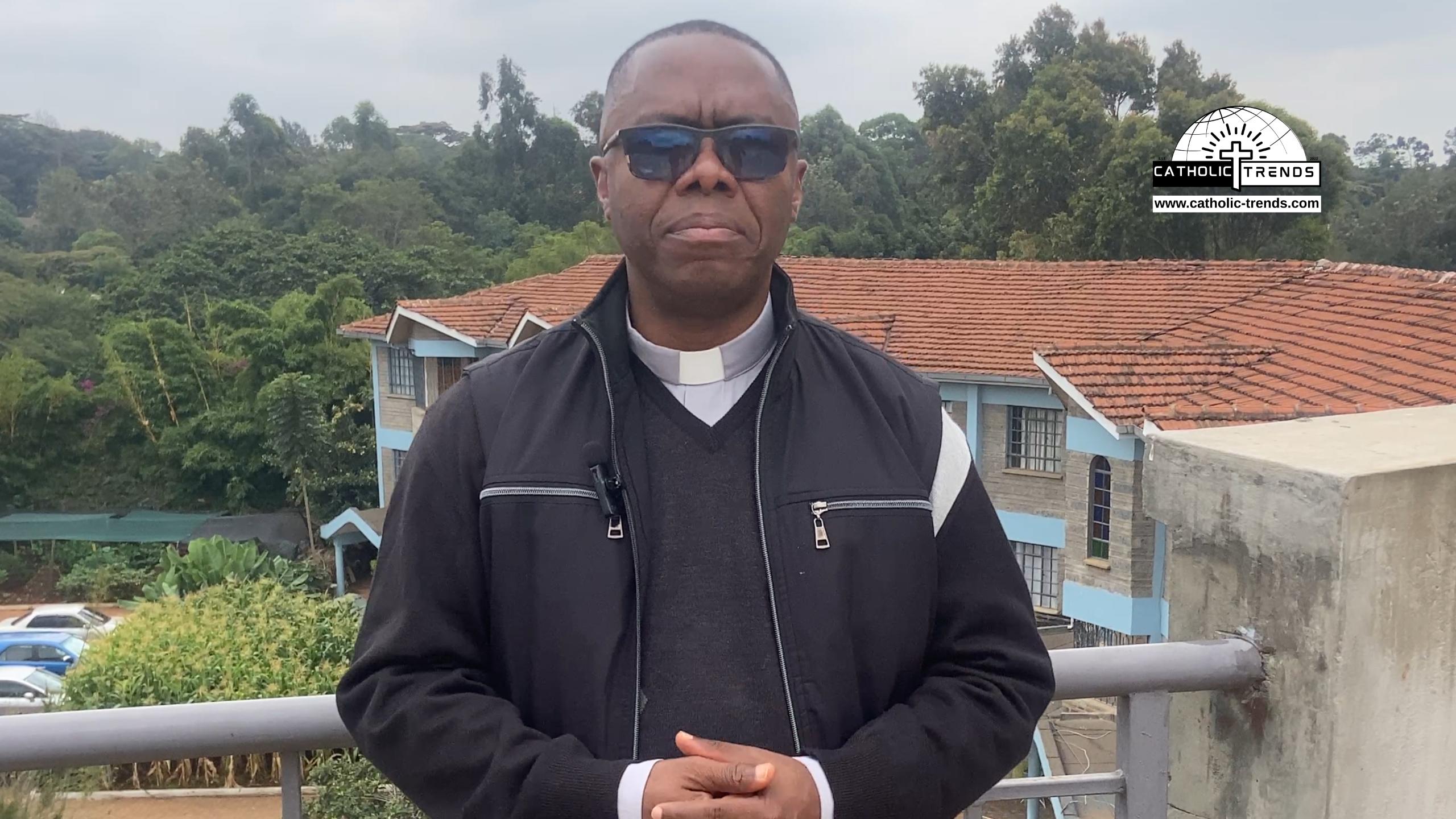
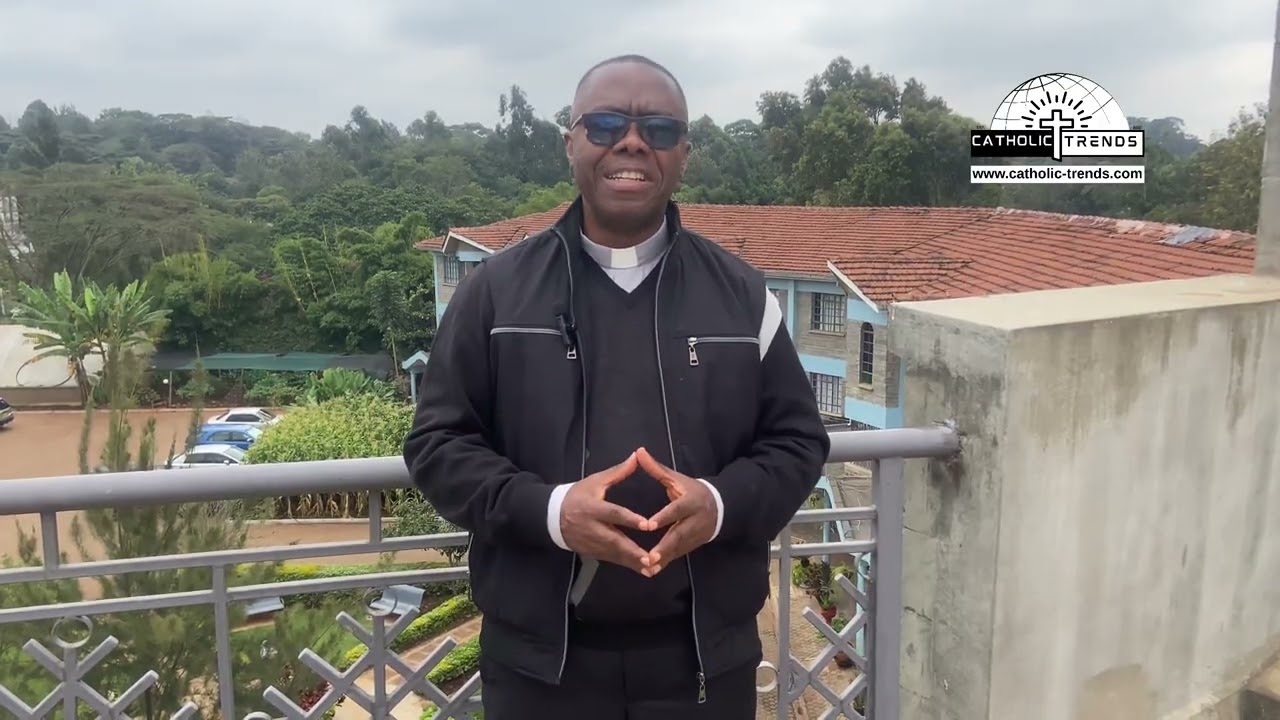
Rev. Fr. Vitalis Anaehobi who doubles as Secretary General of the Reunion of the Episcopal Conferences of West Africa, said in an interview with Catholic Trends that Synodality seeks to create a Church where all members of the faithful are listened to and encouraged to contribute to its mission.

“Synodality, simply put, is working together in a distinguished co-responsibility. It is making everybody responsible for the Church, each according to his faith,” Fr. Vitalis said.

He explained that while the process encourages wider participation, the responsibility for final decisions remains with those entrusted with pastoral leadership.

“Somebody is still in charge. When you begin a process of discernment, you consult. Then you come to the point where somebody takes the decision. That is the bishop, if he is in a local Church. If he is in a parish, he is the parish priest,” he said.

“But synodality says, take everybody along with you. Move along with everybody.”

Fr. Vitalis made the remarks while reflecting on the ongoing implementation of the Synod on Synodality and Africa’s efforts to deepen the practice of journeying together within the Church.

According to Fr. Vitalis, Synodality is not a new concept for the Catholic Church but a renewal of a practice that has existed from the beginning of Christianity.

“As a concept, the Church has always been synodal. The first Council in Jerusalem was a synodal assembly, and the Church has always been synodal,” he said.

He added that the current emphasis from Pope Francis is a call for the Church to rediscover its identity as a community that listens and walks together.

Fr. Vitalis said the Synodal journey is also challenging Church structures to embrace greater inclusion, ensuring that the voices of different groups within the Church are considered.

“The perspective of inclusivity is that everybody has to be touched,” he said.

He stressed that evaluation of the Synod’s implementation should not be seen as a judgement of past actions but as an opportunity to strengthen the Church’s mission.

“Evaluation is not about judgement; it is about giving more energy to the whole process,” he said.

Fr. Vitalis said the success of Synodality will depend on the ability of the Church to ensure that every member recognises their role.

“The Church belongs to everybody, and everybody has a role to play,” he said. “It is a way of collaborating in a way that everybody feels responsible, everybody carries the weight, and everybody contributes.”
YouTube player
Tags: RECOWARev. Fr. Vitalis AnaehobiSynodSynodality Observatory
ShareSendTweetShare
ADVERTISEMENT
Previous Post

Synodality affirms Africa’s culture of participation, communion –  East Africa Observatory representative

Next Post

Synodality is reawakening the spirit of togetherness – Kenyan Synobs member

Related Posts

Pope Leo XIV in the Popemobile during the General Audience in St. Peter's Square. Vatican City (Vatican), March 18th, 2026 (Photo by Rocco Spaziani/Archivio Rocco Spaziani/Mondadori Portfolio via Getty Images)

WAYD: You are the today of God and the Church – Pope Leo XIV tells West African youth

September 9, 2026
Rev. Fr. Vitalis Anaehobi  - RECOWA Secretary General

WAYD : RECOWA urges West African Catholic youth to become artisans of reconciliation

September 9, 2026
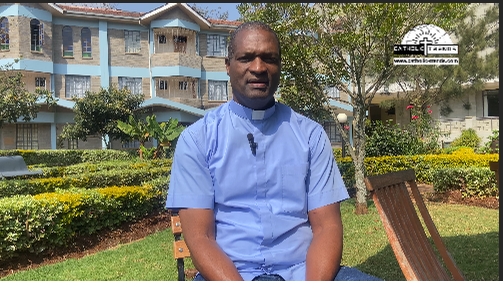
Rev. Fr. Andrew Kaufa - East Africa Regional Representative on the Synodality Observatory

Synodality affirms Africa’s culture of participation, communion –  East Africa Observatory representative

July 28, 2026
Next Post
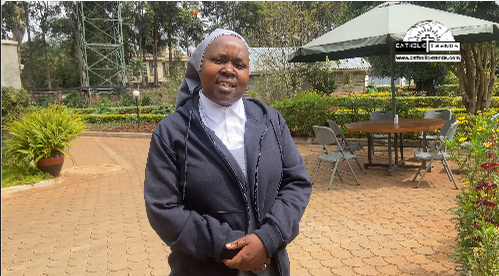
Sister Celestine Nasiali - Synod Observer, Kenya

Synodality is reawakening the spirit of togetherness - Kenyan Synobs member

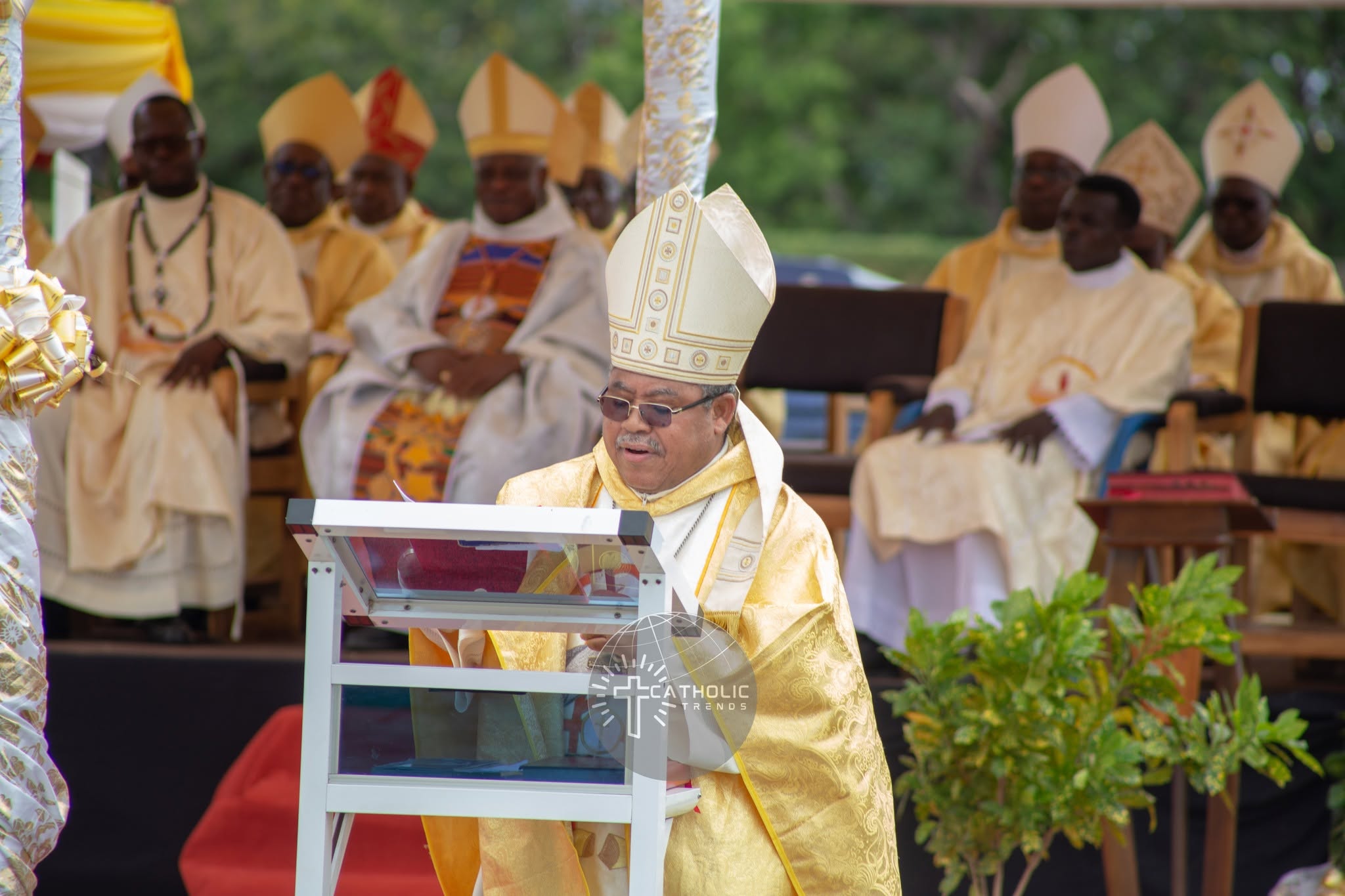
Most Rev. Peter Paul Yelezuome Angkyier - Bishop of Damongo, Ghana

Church in Ghana seeks stronger role in Northern peace efforts through CECOTAPS relaunch

Discussion about this post

Daily Reading

Saturday of the Thirty-third week in Ordinary Time

Book of Revelation 11,4-12.

I, John, heard a voice from heaven speak to... me:
Here are my two witnesses: These are the two olive trees and the two lampstands that stand before the Lord of the earth.
If anyone wants to harm them, fire comes out of their mouths and devours their enemies. In this way, anyone wanting to harm them is sure to be slain.
They have the power to close up the sky so that no rain can fall during the time of their prophesying. They also have power to turn water into blood and to afflict the earth with any plague as often as they wish.
When they have finished their testimony, the beast that comes up from the abyss will wage war against them and conquer them and kill them.
Their corpses will lie in the main street of the great city, which has the symbolic names "Sodom" and "Egypt," where indeed their Lord was crucified.
Those from every people, tribe, tongue, and nation will gaze on their corpses for three and a half days, and they will not allow their corpses to be buried.
The inhabitants of the earth will gloat over them and be glad and exchange gifts because these two prophets tormented the inhabitants of the earth.
But after the three and a half days, a breath of life from God entered them. When they stood on their feet, great fear fell on those who saw them.
Then they heard a loud voice from heaven say to them, "Come up here." So they went up to heaven in a cloud as their enemies looked on.

Psalms 144(143),1.2.9-10.

Blessed be the LORD, my rock,
who... trains my hands for battle, my fingers for war.

My mercy and my fortress,
my stronghold, my deliverer,
my shield, in whom I trust,
who subdues my people under me.

O God, I will sing a new song to you;
with a ten stringed lyre I will chant your praise,
You who give victory to kings,
and deliver David, your servant from the evil sword.

Holy Gospel of Jesus Christ according to Saint Luke 20,27-40.

Some Sadducees, those who deny that there... is a resurrection, came forward and put this question to Jesus,
saying, "Teacher, Moses wrote for us, 'If someone's brother dies leaving a wife but no child, his brother must take the wife and raise up descendants for his brother.'
Now there were seven brothers; the first married a woman but died childless.
Then the second
and the third married her, and likewise all the seven died childless.
Finally the woman also died.
Now at the resurrection whose wife will that woman be? For all seven had been married to her."
Jesus said to them, "The children of this age marry and remarry;
but those who are deemed worthy to attain to the coming age and to the resurrection of the dead neither marry nor are given in marriage.
They can no longer die, for they are like angels; and they are the children of God because they are the ones who will rise.
That the dead will rise even Moses made known in the passage about the bush, when he called 'Lord' the God of Abraham, the God of Isaac, and the God of Jacob;
and he is not God of the dead, but of the living, for to him all are alive."
Some of the scribes said in reply, "Teacher, you have answered well."
And they no longer dared to ask him anything.


Copyright © Confraternity of Christian Doctrine, USCCB
To receive the Gospel every morning in your mailbox, subscribe here: dailygospel.org

Go to Daily Readings

Vatican News

  • Home
  • CT Radio
  • TV
  • Contact
  • About Us
  • Careers
  • Privacy Policy

© 2025 Trends Media Foundation LBG

imunify-bot-check
No Result
View All Result
  • News
    • Ghana
    • Africa
    • International
    • Health & Education
  • Articles
    • Statements
    • Letters
  • Media
    • CT Radio
    • Video
  • Prayers
  • About Us
    • Contact

© 2025 Trends Media Foundation LBG