


The priorities are institutional strengthening; resource mobilisation and financial sustainability; collaboration and strategic partnerships; strengthening member charisms; and promoting synodal mission sustainability.
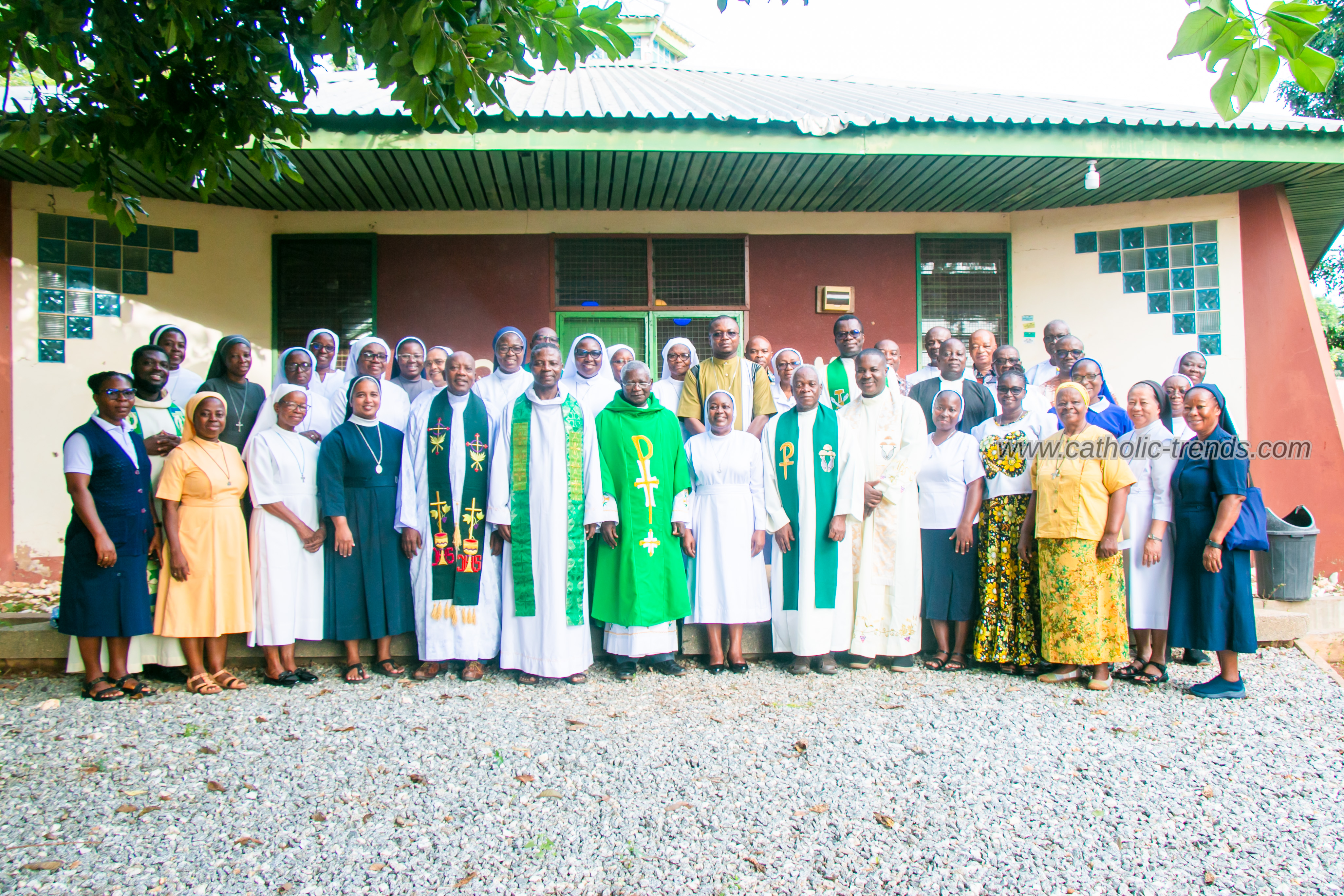
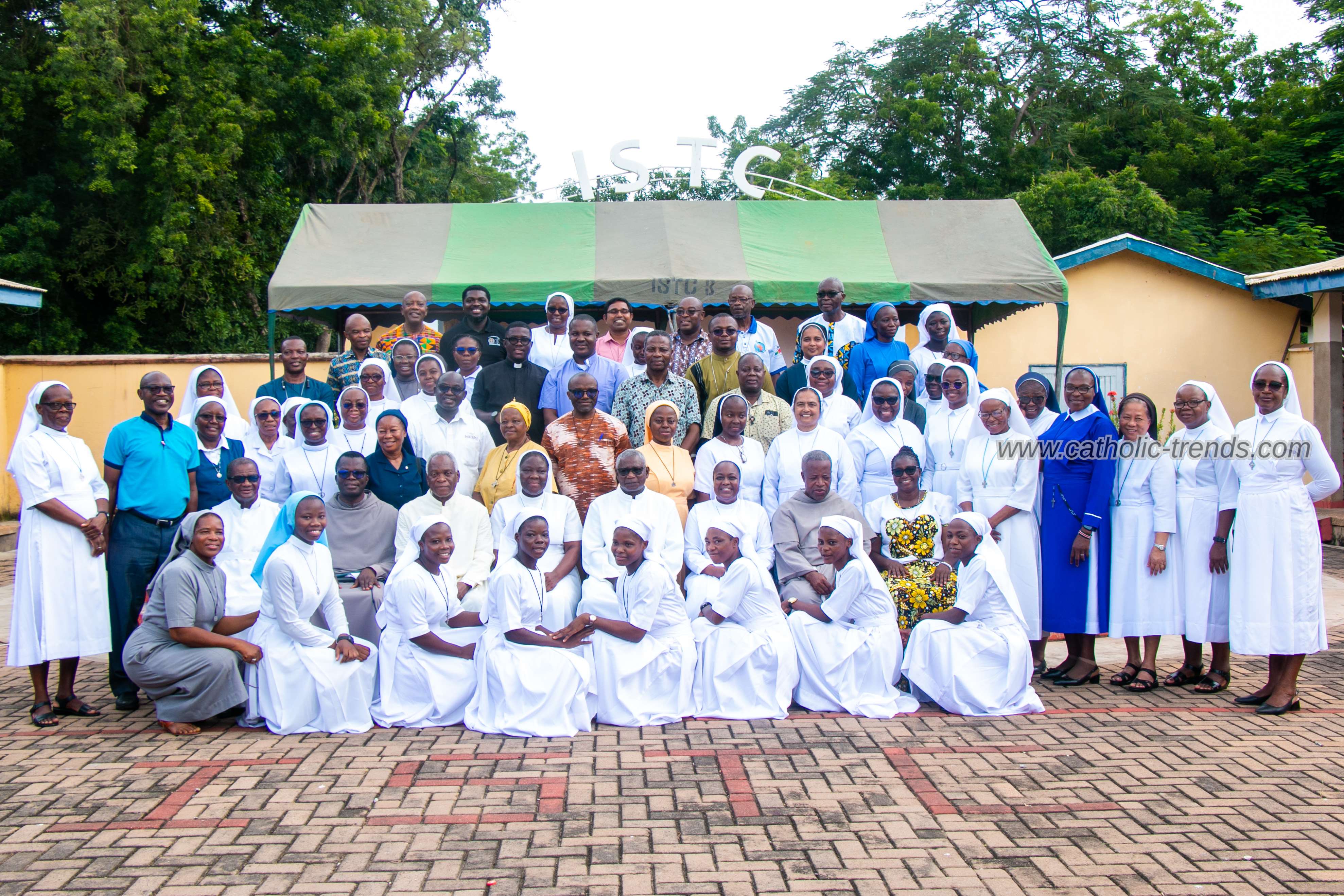
The commitments were announced in a communique issued at the end of the Conference’s October 2026 Plenary Assembly, held at the In-Service Training Centre in Wa, Upper West Region, from 6 to 9 October. The gathering brought together Major Superiors and delegates representing more than 20 congregations of consecrated women and men.
Under its institutional strengthening agenda, CMSR-Gh said it would prioritise stronger governance, improved organisational systems, leadership development and greater capacity for its Secretariat.
The Conference also committed to improving communication, digital transformation, knowledge management and performance monitoring to enhance the services it provides to its members.
On financial sustainability, the Conference plans to diversify its funding base through strategic donor engagement, partnerships with development agencies and the private sector, joint funding proposals, improved fundraising capacity and the exploration of alternative income sources.
The communique states that these efforts “will be guided by responsible stewardship and fidelity to the mission of the Church.”
The third priority focuses on strengthening collaboration among member congregations and deepening engagement with dioceses, the Catholic Bishops’ Conference of Ghana, government institutions, civil society, academia, development partners and other relevant stakeholders.
Priority areas for joint action include formation, vocation promotion, education, healthcare, youth ministry, safeguarding and social development. The Conference also highlighted the sharing of personnel, expertise and resources.
CMSR-Gh said member institutions should preserve and develop their distinct charisms while responding to contemporary spiritual, social, economic and environmental challenges.
The communique identifies vocation promotion, formation and continuing formation, leadership succession, institutional memory and the responsible transmission of charisms to younger generations as areas requiring particular attention.
The fifth priority, promoting synodal mission sustainability, calls on Major Superiors and member institutions to strengthen participatory decision-making, local responsibility and succession planning.
The Conference said mission priorities should be determined through consultation with members, local Churches, collaborators and the communities served by their ministries.
The communique states: “Mission priorities should be discerned through listening to members, local Churches, collaborators and the communities served.”
It also encourages congregations to strengthen shared initiatives and develop institutions capable of sustaining their mission across generations, while ensuring that organisational structures remain at the service of the Gospel.
The five priorities emerged from deliberations under the assembly’s theme, “Synodal Paths to Mission Sustainability: Walking Together in Hope”.
The assembly examined how consecrated persons and their institutions could sustain their mission amid changing pastoral realities, vocational challenges and financial pressures.
The communique calls on Major Superiors and consecrated persons to place Christ’s mission above institutional self-interest, strengthen mutual support and pursue renewed forms of collaboration to address the needs of the Church and society.






Discussion about this post