


INTRODUCTION
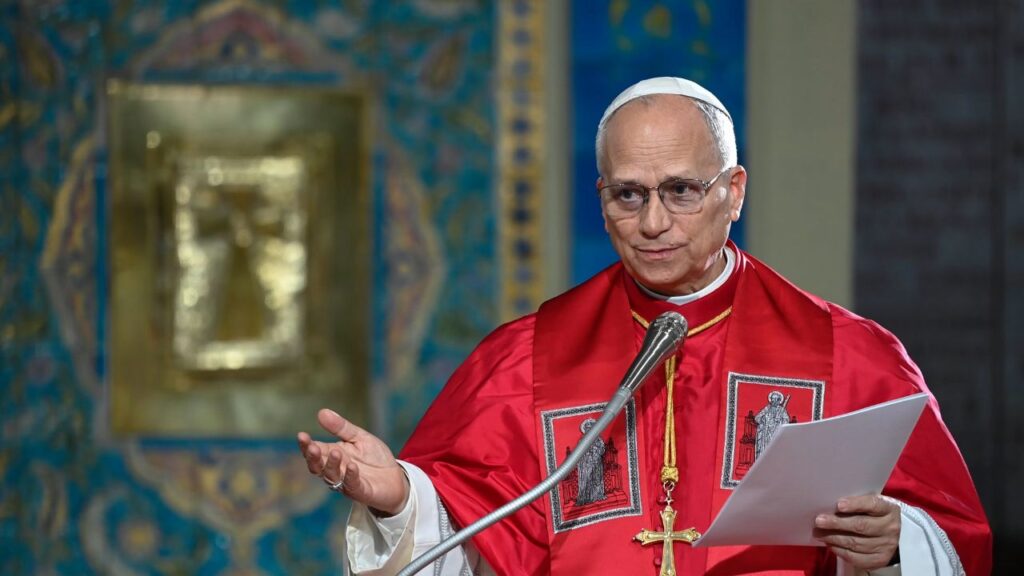
Many many years ago, Popes never travelled outside Rome, with the simple notion that, being the Chief Shepherd or Bishop of Rome (as a Diocese), he needed always to be with the sheep and, from Rome, oversee the administration and pastoral governance of the Church of Rome and the whole Catholic Church worldwide, which, together with Rome, forms the Universal Catholic Church.
THE GENESIS OF PAPAL VISITS OUTSIDE ROME
It all began in 1969, when Pope Paul VI paid a three-day visit to Uganda, seven years after their independence, in a world where some Catholic Christians and Anglicans had been martyred (killed in defence of their Christian faith) on the will of their king—this being the saga of the Ugandan Martyrs.
It was there that the concept of Ecumenism (the concept of the Catholic Church opening up a fraternal dialogue of mutual respect on common faith matters to discuss and find common solutions to issues that bothered not only the Catholic Church but humanity as a whole) was further strengthened when the Pope made a joint visit with the Archbishop of Canterbury at that time.
As a father of mankind and the representative of Christ here on earth (Vicar of Christ), Paul VI is said to have left a message in the hearts of Ugandans when he said, “No longer should violence be a means of solving disagreement among men, but reason and love.”
Since then, his successors have always made Papal visits to African soil for very specific and important pastoral reasons.
Among them is Pope John Paul II, who is said to have made fourteen (14) visits between 1978 and 1995 to forty-one (41) African countries, of which Ghana is part, in 1980 during the Centenary Anniversary of Catholicism in Ghana. Among his visits during his pontificate, his visits to South Africa and Lesotho also come to mind, when the Holy Father condemned the apartheid system.
THE MOTIVES OF PAPAL VISITS AND WHAT THEY ENTAIL
There is a saying that, “Where the Bishop is, there is the Church.”
It simply means that whenever a Catholic Bishop makes a pastoral visit, it is understood that wherever the Bishop is present through a formal visit as a Bishop, the whole Diocese, including all the departments and powers under him in his Diocese, is present, because the Bishop represents the Diocese. This we call the juridical person of the Diocese.
Likewise, the Parish Priest is the juridical person of the Parish under his pastoral care within a stipulated period of time and territory.
The same applies to the Pope.
“Where Peter is, there are the Apostles” (Albert Kyei Danso).
Better still, where the Pope is, there is the whole Universal Catholic Church, with all the arms of his government and top Church officials.
So, simply put, where the Pope is, the whole Catholic Church is present.
THE POWER OF THE POPE AND WHAT CAUSES HIS VISITS
According to Church law, Canon 331, the Roman Pontiff (the Pope) is the Vicar of Christ: he represents Christ here on earth, having received the keys of power for governance and pastoral care from the Lord Jesus Himself when He said to the Prince of the Apostles: “You are Peter, and upon this rock I will build my Church” (Mt 16:18).
Another instance is when Christ told Peter, at Caesarea Philippi, after his profession of faith: “You are the Christ, the Son of the Living God” (Mt 16:16), in response to the Lord’s question, “Who do people say I am?” (Mt 16:13b) and “Who do you say I am?” (Mt 16:15b).
Again, the Lord entrusted His flock to Peter after asking severally, “Peter, son of Jonah, do you love me?” (Jn 21:17). Peter responded, “Lord, you know I love you,” three times. There, the Lord entrusted the Church to the care of Peter with these words: “Feed my lambs” (Jn 21:15b), “Take care of my sheep” (Jn 21:16b), and “Feed my sheep” (Jn 21:17b).
In Mt 18:18, the Lord further says: “Whatever you bind on earth shall be bound in heaven, and whatever you loose on earth shall be loosed in heaven.”
All these biblical texts show the depth of the power the Lord Jesus Christ gave to Peter as Prince of the Apostles and Head of the Church and His Vicar here on earth.
THE FIGURE OF THE POPE
So, the Pope is the Chief or Supreme Pastor and Chief Shepherd of the entire Catholic Church, and a moral and spiritual father to all humanity, even to non-Christians. Canon 331 states: “The Bishop of the Roman Catholic Church (that is, the Pope), in whom continues the office given by the Lord uniquely to Peter, the first of the Apostles, and to be transmitted to his successors, is the Head of the College of Bishops, Vicar of Christ, and Pastor of the Universal Church on earth. By virtue of his office, he possesses supreme, full, immediate, and universal ordinary power in the Church, which he is able to exercise freely.”
It simply means the Pope is the Head of the College of Bishops, Vicar of Christ, and the Chief Shepherd of the Universal Church.
His power is equal to none, and only he can define articles of faith definitively when it touches on faith and morals. Such teachings are infallible when he defines them ex cathedra.
Though he is the Supreme Shepherd and Legislator of the whole Church, in collegiality with his brother Bishops, he alone can canonise saints, appoint and remove bishops, dispense priests from the obligation of chaste celibacy (as a clerical discipline), and judge grave cases involving Cardinals and world leaders.
THE POPE AS VICAR OF CHRIST AND HEAD OF STATE
It is important to note that the Holy Father is not seen only as the Vicar of Christ but also as the Head of State of Vatican City.
Through historical precedence, once he is validly elected in the Sistine Chapel and accepts the office publicly according to Church law, he also becomes Head of State. The Vatican City is an independent sovereign state enclaved within Italy, and he is accorded the respect given to any head of state.
Thus, anytime he visits a country, he does so in these two capacities.
It is worth noting that Vatican City has the facilities necessary for governance: administrative offices headed by the Secretary of State, Cardinal Pietro Parolin; dicasteries; the Vatican Bank; courts; a prison; security services; industries; museums; a post office; farms; and more.
WHAT BRINGS ABOUT A PAPAL VISIT?
As Vicar of Christ and Head of State, the Pope makes important pastoral and global visits.
These include canonisations, major anniversaries of significant Church events, or situations of grave political instability, war, injustice, or humanitarian crises. In such cases, the Pope’s presence draws global attention and promotes peace, reconciliation, and dialogue.
THE IMPLICATION OF POPE LEO XIV’S FIRST VISIT TO AFRICA
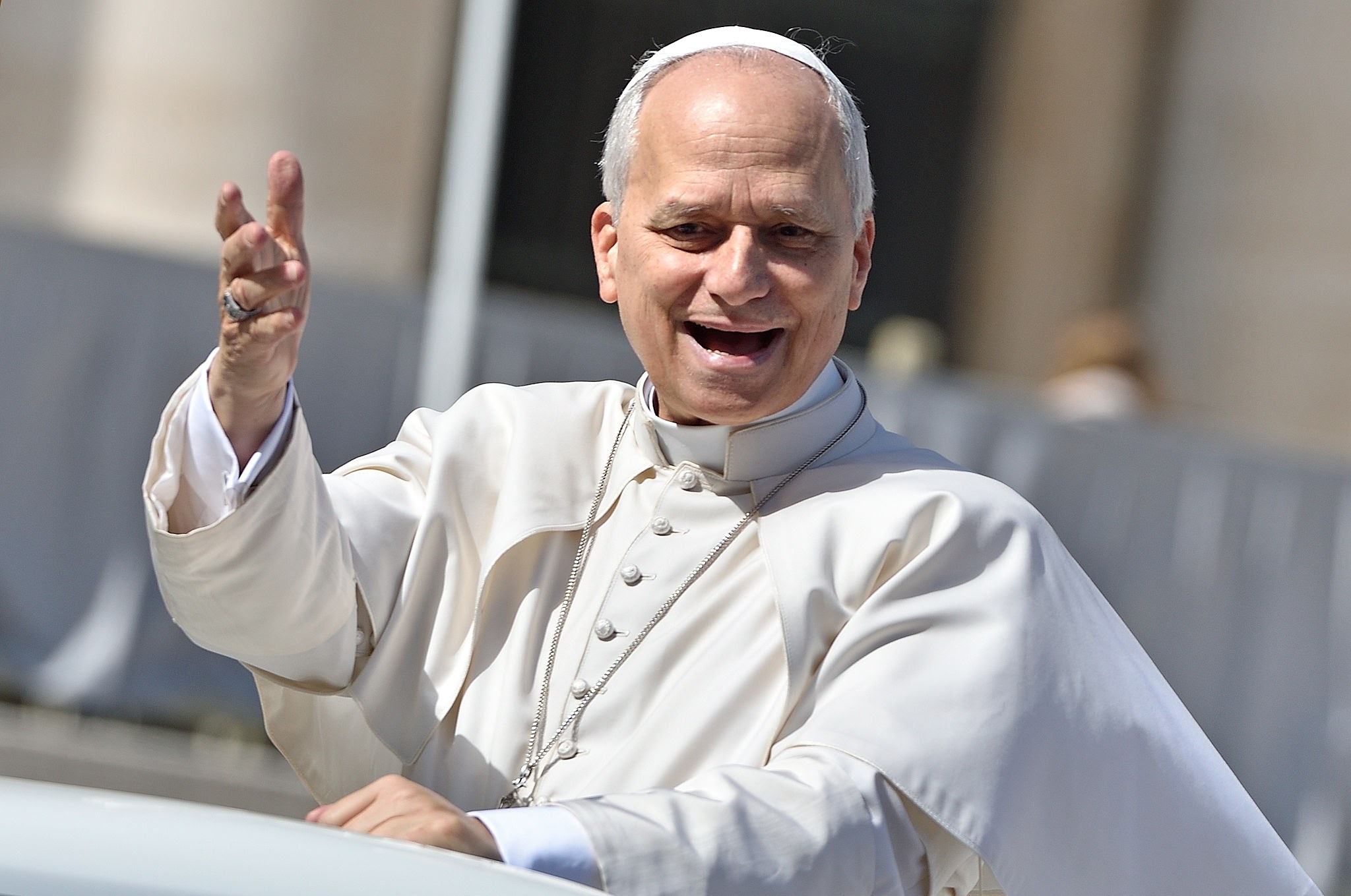
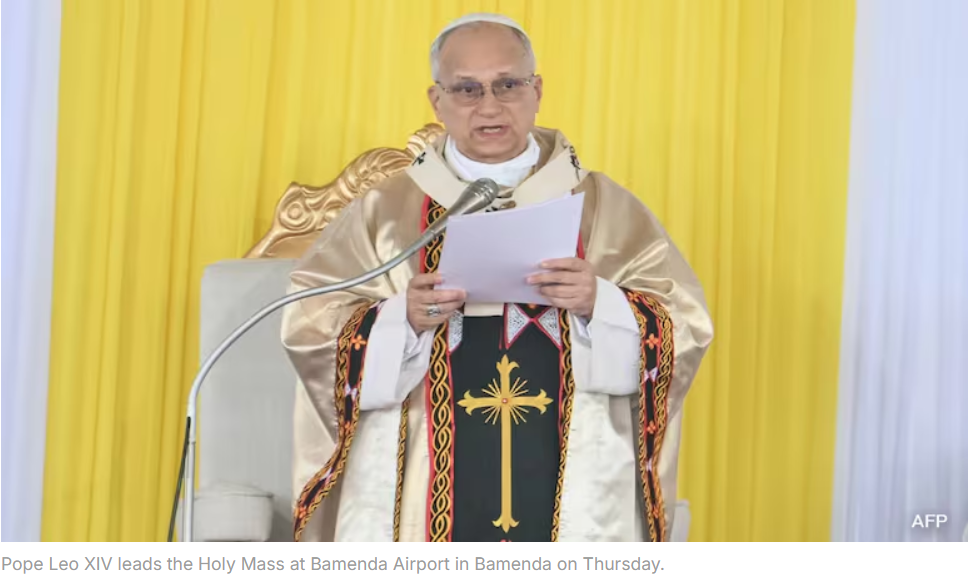
It is noteworthy that this is the first official visit of Pope Leo XIV as Supreme Pontiff.
His choice to visit Algeria, Cameroon, Angola, and Equatorial Guinea shows how dear Africa is to his heart and to the Church.
As Pope John Paul II once said, “The Church in Africa is the hope of the Church.” This is due to the continent’s growing Catholic population and vibrancy, unlike parts of Europe where secularism is increasing.
THE PASTORAL METHODOLOGY OF THE POPE
The Pope’s visit is not an imposition on political leaders but a pastoral and diplomatic engagement that encourages dialogue, peace, and mutual respect.
It promotes religious tolerance, reconciliation, and coexistence without coercion.
THE SIGNIFICANCE OF PAPAL VISITS
- Spiritual renewal and encouragement to Catholics and other faith communities.
- Global attention to Africa’s challenges—conflict, poverty, climate change, and injustice.
- Economic benefits through increased visibility and investment.
- Solidarity with suffering nations such as Cameroon.
- Apostolic blessings that bring healing, reconciliation, and spiritual renewal.
CONCLUSION
Though the African Church holds a special place in the heart of this Peruvian-American Pope, who, as Superior General of the Augustinian Order, travelled widely, African leaders are called to reject corruption, mismanagement, and conflict, and to prioritise the common good.
For indeed, “heaven helps those who help themselves,” while not underestimating the grace of Apostolic Blessings.
Thank you very much for your kind attention.
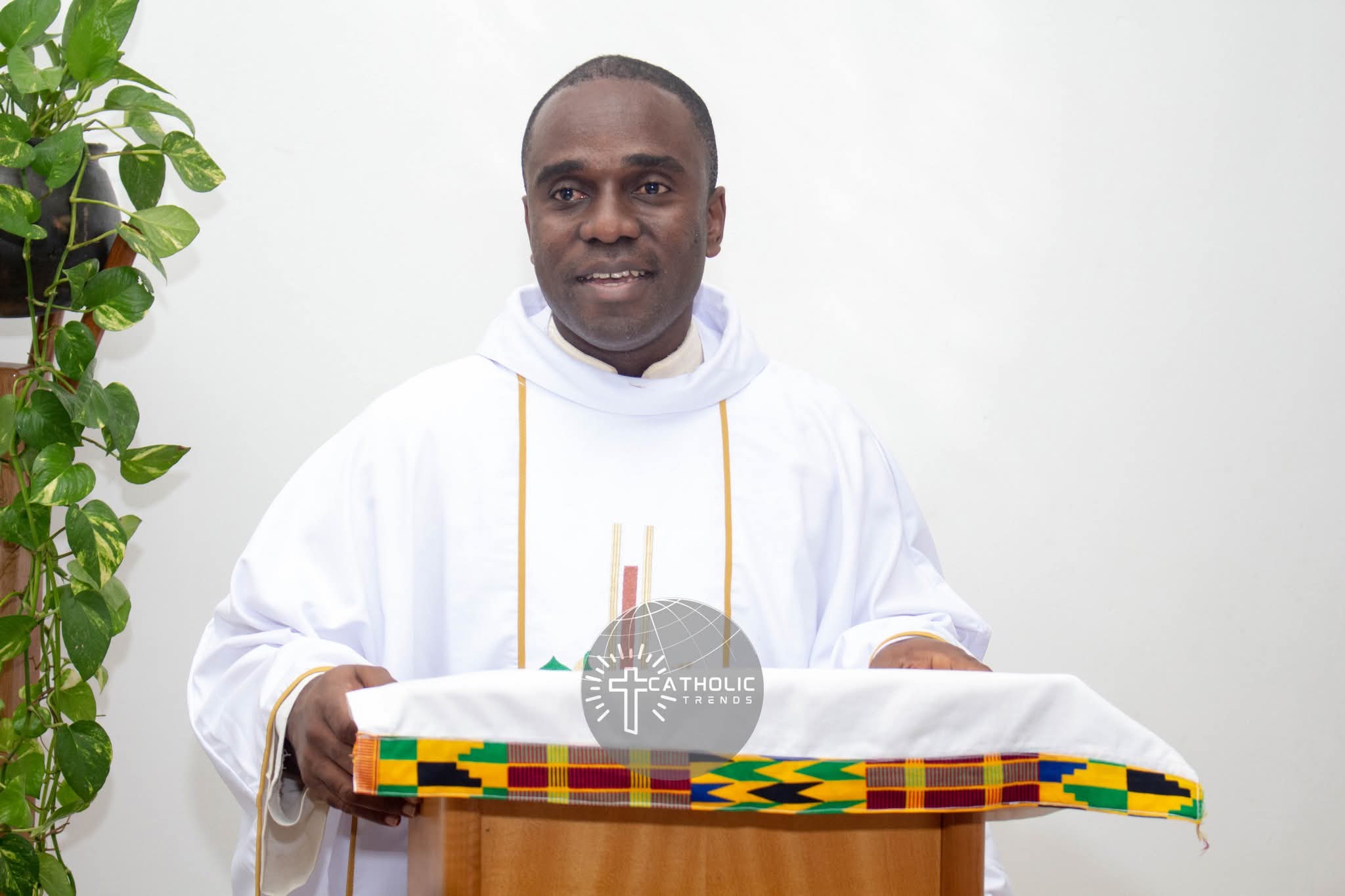
Rev. Fr. Albert Kyei Danso
Chaplain, Ghanaian Catholic Community Church in Italy
& Canon Lawyer






Discussion about this post