Advert Advert Advert
ADVERTISEMENT
Thursday, November 19, 2026
Catholic Trends
  • Home
  • News
    • Ghana
    • Africa
    • International
    • Health & Education
  • Articles
  • Prayers
  • Media
    • CT Radio
    • Video
  • Letters
  • Statements
No Result
View All Result
  • Home
  • News
    • Ghana
    • Africa
    • International
    • Health & Education
  • Articles
  • Prayers
  • Media
    • CT Radio
    • Video
  • Letters
  • Statements
No Result
View All Result
Catholic Trends
No Result
View All Result

Conclave protocol: Are all Cardinals still candidates after the first ballot?

Catholic Trends by Catholic Trends
May 6, 2025
in Article
Reading Time: 3 mins read
A A
0
Conclave protocol: Are all Cardinals still candidates after the first ballot?

File photo

448
VIEWS
Share on FacebookShare on WhatsApp Share on X Share on Telegram
Catholic Trends WhatsApp Channel Catholic Trends WhatsApp Channel Catholic Trends WhatsApp Channel
ADVERTISEMENT

Question by BigJoe:

My Lord Bishop, during the conclave, if the first ballot fails to produce a pope, will all the cardinal electors in the second round of voting be considered candidates for elections, or will the voting be limited to the two cardinals who obtained the highest number of votes in the first ballot?

Answer by Most Rev. Joseph Osei-Bonsu:

The election of a pope is governed by the apostolic constitution Universi Dominici Gregis (Of the Lord’s Whole Flock), promulgated by Pope John Paul II on 22 February 1996.  This document outlines the procedures to be followed after the death or resignation of a pope.

It carries the full authority of papal legislation and supersedes previous documents.  It was later amended by Popes Benedict XVI and Francis.  When a pope dies or resigns, the College of Cardinals under the age of 80 gathers in the Sistine Chapel for a conclave to elect his successor. The process begins with a solemn oath of secrecy and the traditional extra omnes command, whereby all non-cardinals are dismissed from the chapel.

On the first day of the conclave, a single ballot may be held. In this initial vote, all cardinal electors are eligible to be voted for – there is no formal nomination process or declared candidacy. Each cardinal writes the name of his chosen candidate on a paper ballot, folds it, and places it in a designated urn on the altar. If no one receives the required two-thirds majority, the conclave proceeds to additional rounds of voting.

RelatedPosts

Arrupe Jesuit Institute sets sights on stronger advocacy and youth empowerment

Canadian Cardinal wins $100,000 defamation case against woman who accused him of sexual misconduct

We came together to bring fire – COSRA founder recalls origins, predicts future growth

Beginning the next day, the cardinals typically hold two ballots in the morning and two in the afternoon. In each of these subsequent rounds, all cardinal electors continue to be eligible as candidates, regardless of how many votes they received in earlier ballots.

There is no rule restricting the choice of electors to the top vote-getters from previous ballots. The electors are free to shift their support, and a cardinal who had received few or no votes earlier may emerge as a consensus choice in a later round. The two-thirds majority requirement remains in force throughout the voting process.

However, if after thirty-four ballots (including the first), no one has achieved the necessary two-thirds vote, the cardinals may, by majority decision, choose to proceed differently. They can agree to limit the field to the two candidates who received the most votes in the last ballot.

At this stage, only those two can be voted for in the next rounds, and they themselves lose the right to vote in that decisive ballot. This special provision, intended to resolve prolonged deadlocks, was introduced by Pope John Paul II and later modified by Pope Benedict XVI, who reinstated the two-thirds majority requirement in all cases. Pope Francis maintained these norms.

In summary, after the first ballot fails to elect a pope, the second and subsequent ballots are not restricted to the top two candidates from the previous vote. All cardinal electors remain eligible to be voted for until someone secures the required two-thirds majority.

Only after a long impasse may the electors opt to narrow the choice to the top two candidates, and even this requires a majority vote of the conclave.  Once a cardinal achieves the necessary majority and accepts his election, he becomes pope immediately and chooses his papal name, after which the senior cardinal deacon announces his election to the world with the traditional Habemus Papam.

For further explanations or enquiries, you may contact the author, Most Rev. Joseph Osei-Bonsu, Emeritus Bishop of Konongo-Mampong, on this number: 0244488904, or on WhatsApp (with the same number). 


Source:
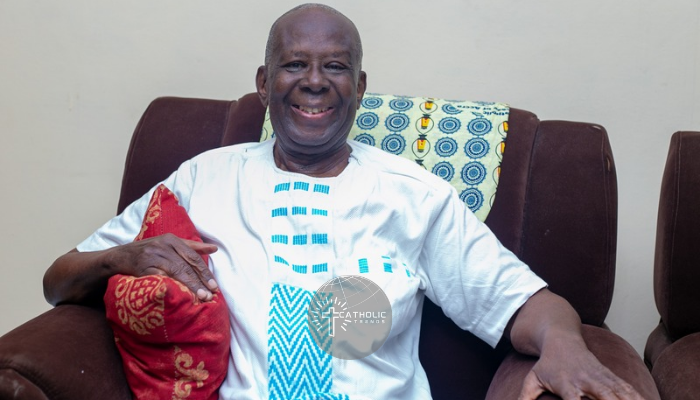
Most Rev. Joseph Osei-Bonsu, Emeritus Bishop of Konongo-Mampong
Tags: Catholic TrendsConclavePope FrancisVatican
ShareSendTweetShare
ADVERTISEMENT
Previous Post

Meet the four Jesuit Cardinals voting in the Conclave

Next Post

Tight lips at the Vatican as staff take oath of secrecy ahead of conclave

Related Posts

Arrupe Jesuit Institute sets sights on stronger advocacy and youth empowerment

Arrupe Jesuit Institute sets sights on stronger advocacy and youth empowerment

October 21, 2026
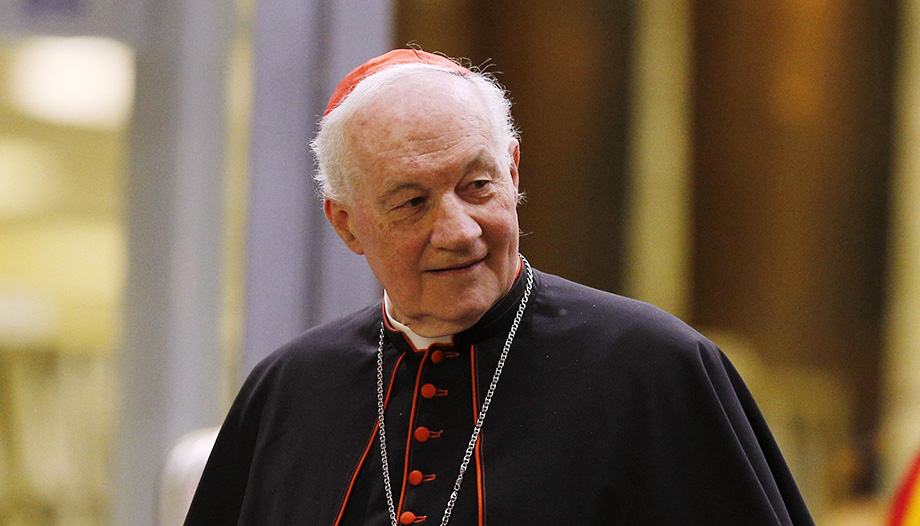
Cardinal Marc Ouellet

Canadian Cardinal wins $100,000 defamation case against woman who accused him of sexual misconduct

September 4, 2026
We came together to bring fire – COSRA founder recalls origins, predicts future growth

We came together to bring fire – COSRA founder recalls origins, predicts future growth

May 20, 2026
Next Post
Tight lips at the Vatican as staff take oath of secrecy ahead of conclave

Tight lips at the Vatican as staff take oath of secrecy ahead of conclave

Seven Capuchin Friars killed in road accident in Nigeria

Seven Capuchin Friars killed in road accident in Nigeria

Discussion about this post

Daily Reading

Thursday of the Thirty-third week in Ordinary Time

Book of Revelation 5,1-10.

I John saw a scroll in the right hand of the... one who sat on the throne. It had writing on both sides and was sealed with seven seals.
Then I saw a mighty angel who proclaimed in a loud voice, "Who is worthy to open the scroll and break its seals?"
But no one in heaven or on earth or under the earth was able to open the scroll or to examine it.
I shed many tears because no one was found worthy to open the scroll or to examine it.
One of the elders said to me, "Do not weep. The lion of the tribe of Judah, the root of David, has triumphed, enabling him to open the scroll with its seven seals."
Then I saw standing in the midst of the throne and the four living creatures and the elders, a Lamb that seemed to have been slain. He had seven horns and seven eyes; these are the (seven) spirits of God sent out into the whole world.
He came and received the scroll from the right hand of the one who sat on the throne.
When he took it, the four living creatures and the twenty-four elders fell down before the Lamb. Each of the elders held a harp and gold bowls filled with incense, which are the prayers of the holy ones.
They sang a new hymn: "Worthy are you to receive the scroll and to break open its seals, for you were slain and with your blood you purchased for God those from every tribe and tongue, people and nation.
You made them a kingdom and priests for our God, and they will reign on earth."

Psalms 149(148),1-2.3-4.5-6a.9b.

Sing to the LORD a new song
of praise... in the assembly of the faithful.
Let Israel be glad in their maker,
let the children of Zion rejoice in their king.

Let them praise his name in the festive dance,
let them sing praise to him with timbrel and harp.
For the LORD loves his people,
and he adorns the lowly with victory.

Let the faithful exult in glory;
let them sing for joy upon their couches;
Let the high praises of God be in their throats.
This is the glory of all his faithful. Alleluia!

Holy Gospel of Jesus Christ according to Saint Luke 19,41-44.

As Jesus drew near Jerusalem, he saw the city... and wept over it,
saying, "If this day you only knew what makes for peace--but now it is hidden from your eyes.
For the days are coming upon you when your enemies will raise a palisade against you; they will encircle you and hem you in on all sides.
They will smash you to the ground and your children within you, and they will not leave one stone upon another within you because you did not recognize the time of your visitation."


Copyright © Confraternity of Christian Doctrine, USCCB
To receive the Gospel every morning in your mailbox, subscribe here: dailygospel.org

Go to Daily Readings

Vatican News

  • Home
  • CT Radio
  • TV
  • Contact
  • About Us
  • Careers
  • Privacy Policy

© 2025 Trends Media Foundation LBG

imunify-bot-check
No Result
View All Result
  • News
    • Ghana
    • Africa
    • International
    • Health & Education
  • Articles
    • Statements
    • Letters
  • Media
    • CT Radio
    • Video
  • Prayers
  • About Us
    • Contact

© 2025 Trends Media Foundation LBG