


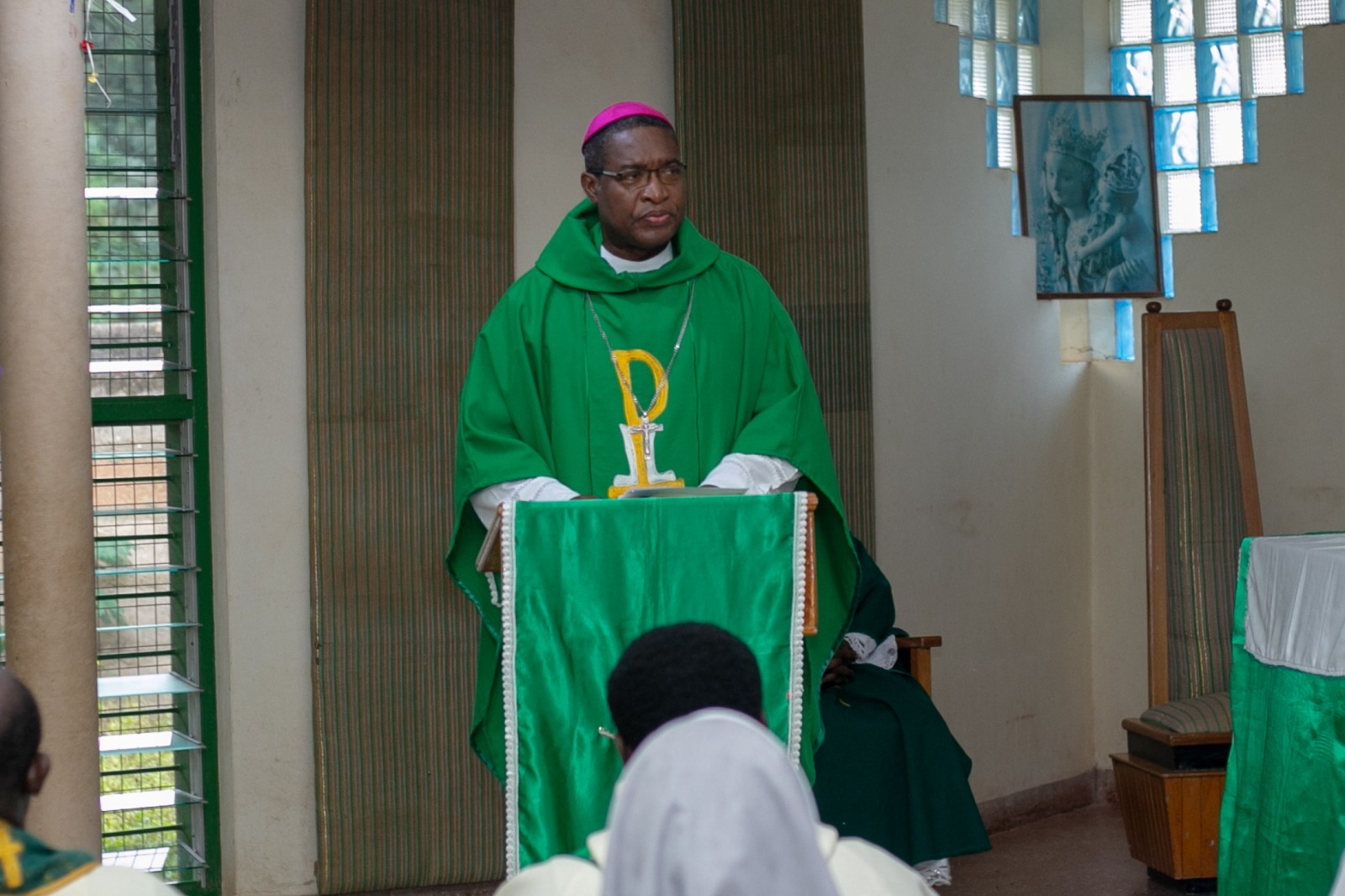
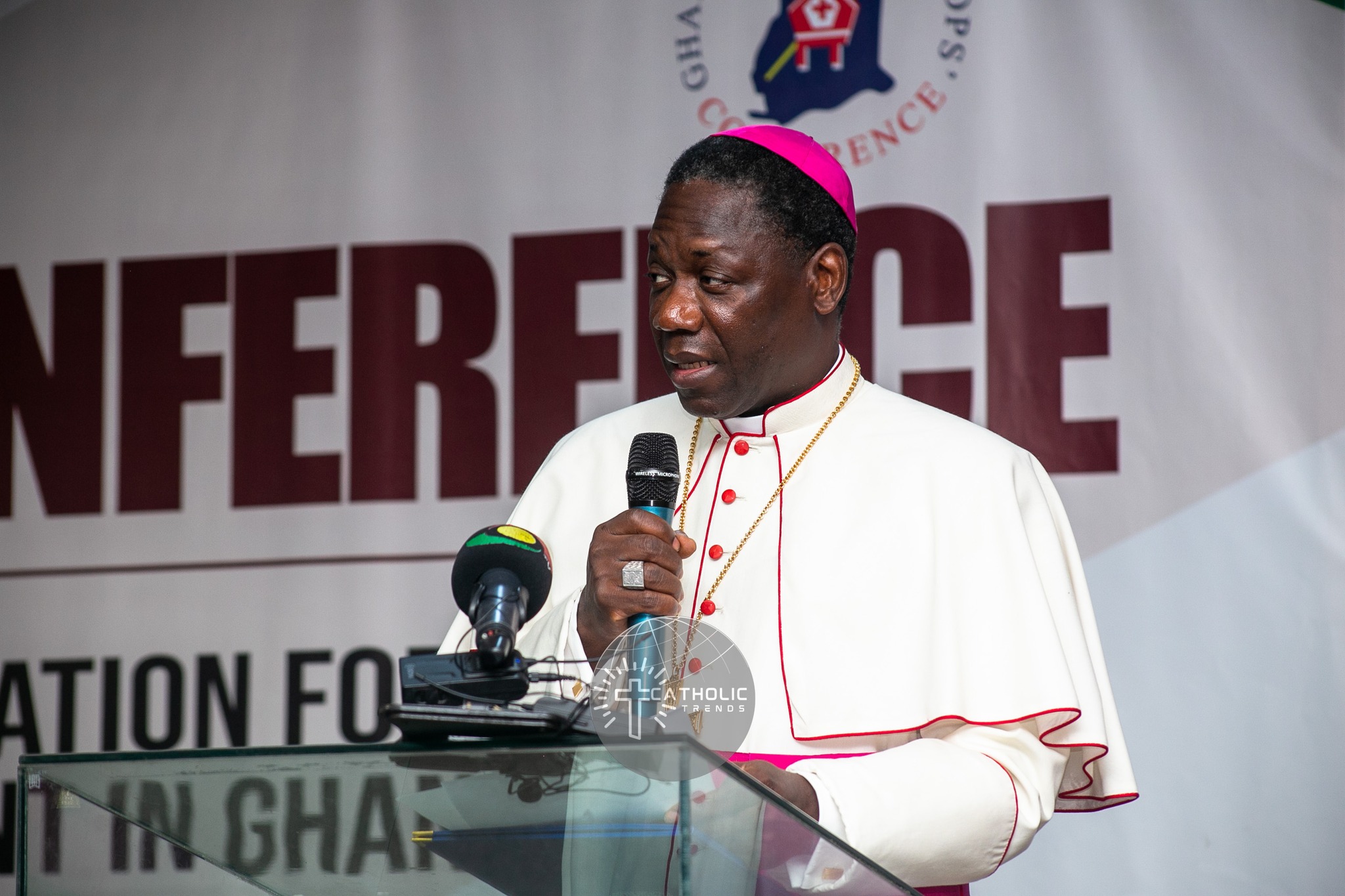
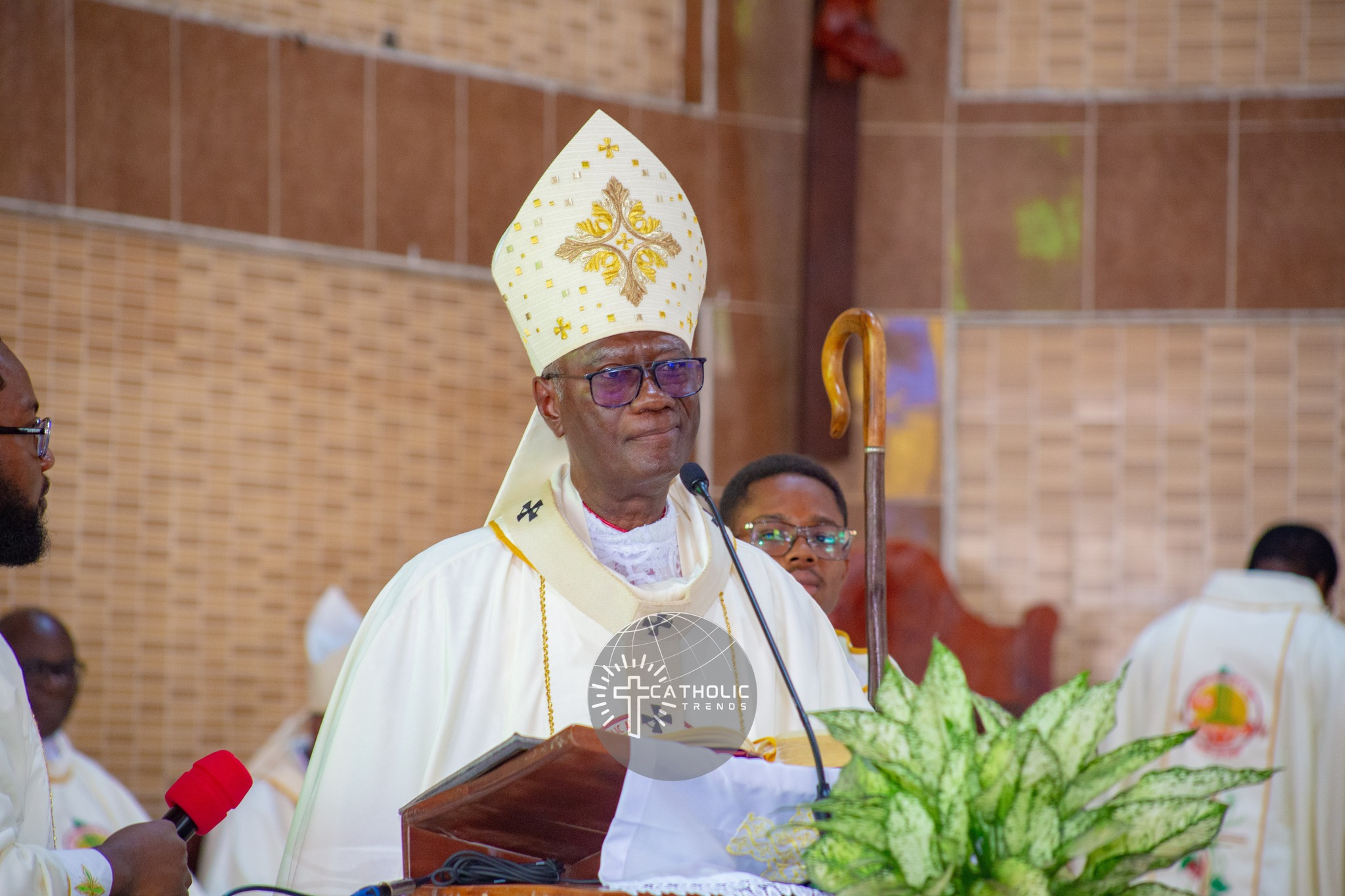
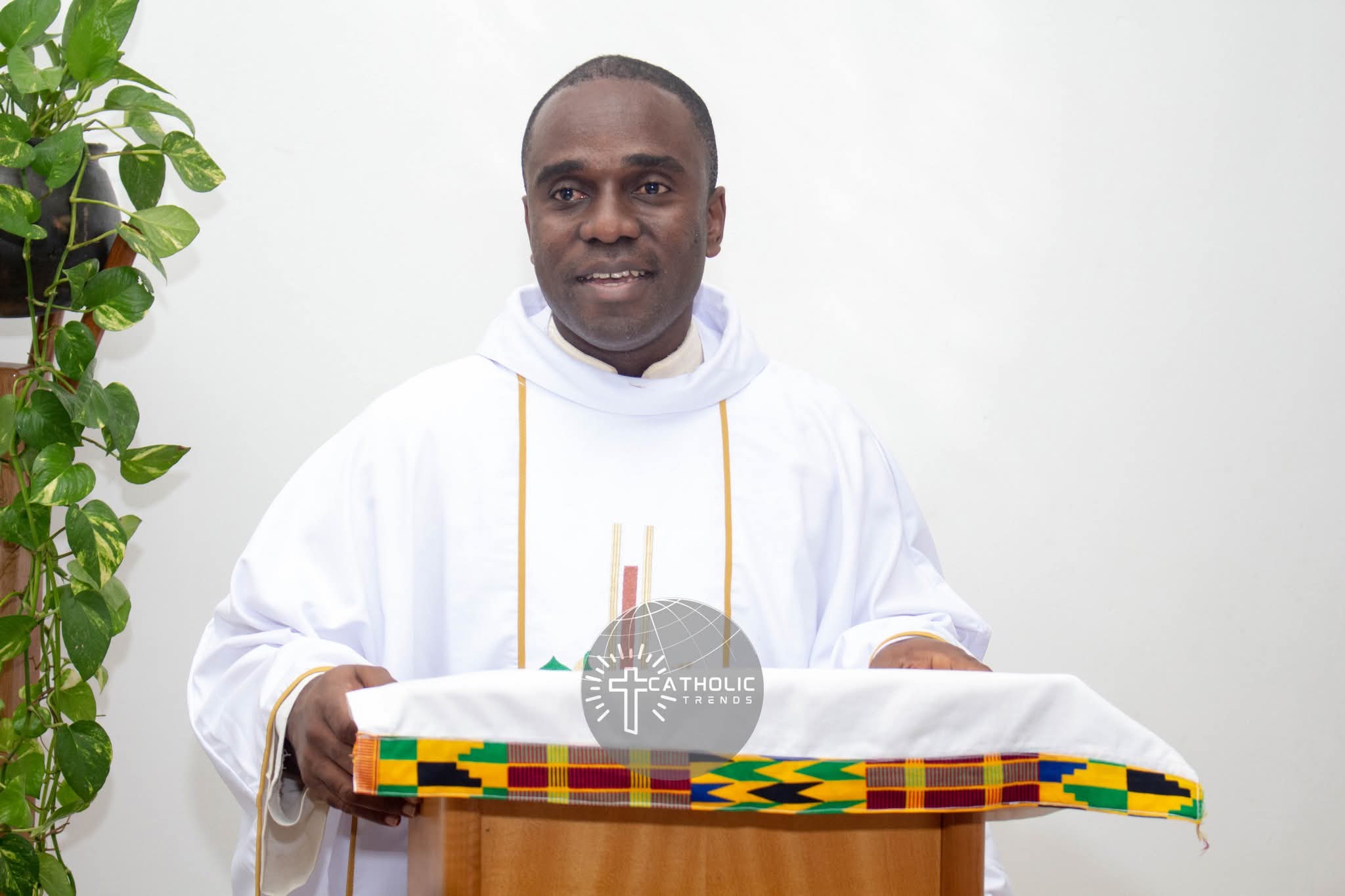
The Emeritus Bishop of Konongo-Mampong Diocese in Ghana, Most Rev. Joseph Osei-Bonsu, has clarified that Masses held on the evening of 31st December in the Catholic Church are not New Year’s vigils but belong to the Solemnity of Mary, the Holy Mother of God.
Responding to a question in one of his teachings on the Catholic faith, regarding the growing popularity of watchnight and countdown vigils in Catholic parishes, Bishop Osei-Bonsu explained that, “The Catholic Church’s observance of 31 December is not connected to the secular marking of New Year’s Eve but is determined by the Universal Norms on the Liturgical Year and the General Roman Calendar.”
He pointed out that evening liturgies on that date follow the principle of anticipated Masses, noting that, “Any Mass celebrated after about 4:00 PM is not of 31 December itself but of the Solemnity of Mary, the Holy Mother of God, which falls on 1 January.”
While devotional practices such as thanksgiving hymns and Eucharistic adoration are encouraged, the Bishop cautioned against confusing them with the official liturgy. “These devotions are valuable, but they must always remain secondary to the official liturgy and never replace the Mass or the Liturgy of the Hours,” he stressed.
Read the full text of the response below
Question by Ing. Pious Ackah (Sir Pope):
Does the official Catholic liturgical calendar prescribe a vigil celebration on 31 December?
Answer by Most Rev. Joseph Osei-Bonsu:
The Catholic Church’s observance of 31 December is not connected to the secular marking of New Year’s Eve but is determined by the Universal Norms on the Liturgical Year and the General Roman Calendar. According to these norms, 31 December is the Seventh Day within the Octave of Christmas, one of the most privileged periods of the liturgical year.
The Octave of Christmas, stretching from 25 December to 1 January, is not simply eight consecutive days but a single extended solemnity celebrating the Nativity of the Lord. Each day within the Octave is imbued with the dignity of Christmas itself, reflecting on the mystery of the Incarnation – the eternal Word of God becoming flesh for the salvation of the world. The prayers, readings, and liturgical texts for 31 December are therefore directed towards the unfolding of this mystery, not towards the civil year’s conclusion.
In addition to its Octave character, the General Roman Calendar provides for an optional memorial of Pope St. Sylvester I, who died in 335. His pontificate was significant historically, as it coincided with the reign of Constantine the Great and marked the Church’s transition from persecution to recognition.
Under his leadership, construction began on several of Rome’s most important basilicas, and he lived during the time of the Council of Nicaea (325), which affirmed Christ’s divinity against the Arian heresy. However, unless explicitly chosen by the celebrant, this commemoration remains secondary to the primary liturgy of the Christmas Octave.
There is a special liturgical consideration for Masses held on the evening of 31 December. Following the principle of anticipated liturgy outlined in the Universal Norms (n. 61), any Mass celebrated after about 4:00 PM is not of 31 December itself but of the Solemnity of Mary, the Holy Mother of God, which falls on 1 January.
This solemnity, one of the most important in the Church’s calendar, crowns the Christmas Octave. It celebrates Mary’s divine maternity, a title solemnly affirmed at the Council of Ephesus (431) when the Church declared her Theotokos, “God-bearer”. In recognizing Mary as the Mother of God, the Church professes the unity of Christ’s divine and human natures in one divine person.
This solemnity also took up the older celebration of the Circumcision of the Lord, reminding the faithful of Jesus’ entry into Israel’s covenant life. Importantly, the anticipated celebration of this solemnity has no connection to secular New Year’s Eve festivities; while Catholics may attend Mass on the evening of 31 December, the liturgy they celebrate is Marian and Christological, not a vigil for the new year.
Although the Church does not set a special liturgy for the end of the civil year, devotional practices have developed over time, and the Church encourages them when done in the right spirit. The Directory on Popular Piety and the Liturgy (n. 116) suggests acts of thanksgiving on 31 December, such as singing the Te Deum, an ancient hymn of praise to God, often used in parishes and cathedrals to thank him for the blessings of the past year.
Eucharistic adoration is also fitting, allowing the faithful to place themselves and the coming year before God, while practices like examining one’s conscience or prayers of repentance remind us of the need for mercy. These devotions are valuable, but they must always remain secondary to the official liturgy and never replace the Mass or the Liturgy of the Hours. They should also avoid secular elements like countdowns or fireworks, which distract from keeping Christ at the centre.
For this reason, priests are encouraged to clarify several key points to the faithful. First, 31 December is liturgically the Seventh Day of the Christmas Octave, with an optional commemoration of St. Sylvester. Second, Masses celebrated in the evening of 31 December belong to the Solemnity of Mary, the Mother of God, and are not “New Year’s vigils”. Third, while devotional acts such as the Te Deum or adoration are praiseworthy, they must remain distinct from and subordinate to the liturgy.
In conclusion, the Catholic Church’s liturgical observance of 31 December is firmly rooted in the theology of the Incarnation and the Marian solemnity that crowns the Octave of Christmas, not in civil customs or cultural celebrations of the new year.
While the transition from one calendar year to the next is a natural human marker of time, the Church sanctifies this passage by directing the faithful to prayer, thanksgiving, and adoration. By beginning the new year within the liturgical context of Christ’s Nativity and under the maternal protection of Mary, Mother of God, Catholics are invited to rise above purely temporal celebrations. In this way, the faithful acknowledge Christ as the Alpha and the Omega, the Lord of history and eternity (Rev. 22:13), and entrust the coming year to his providential care with gratitude, hope, and faith.




Discussion about this post