


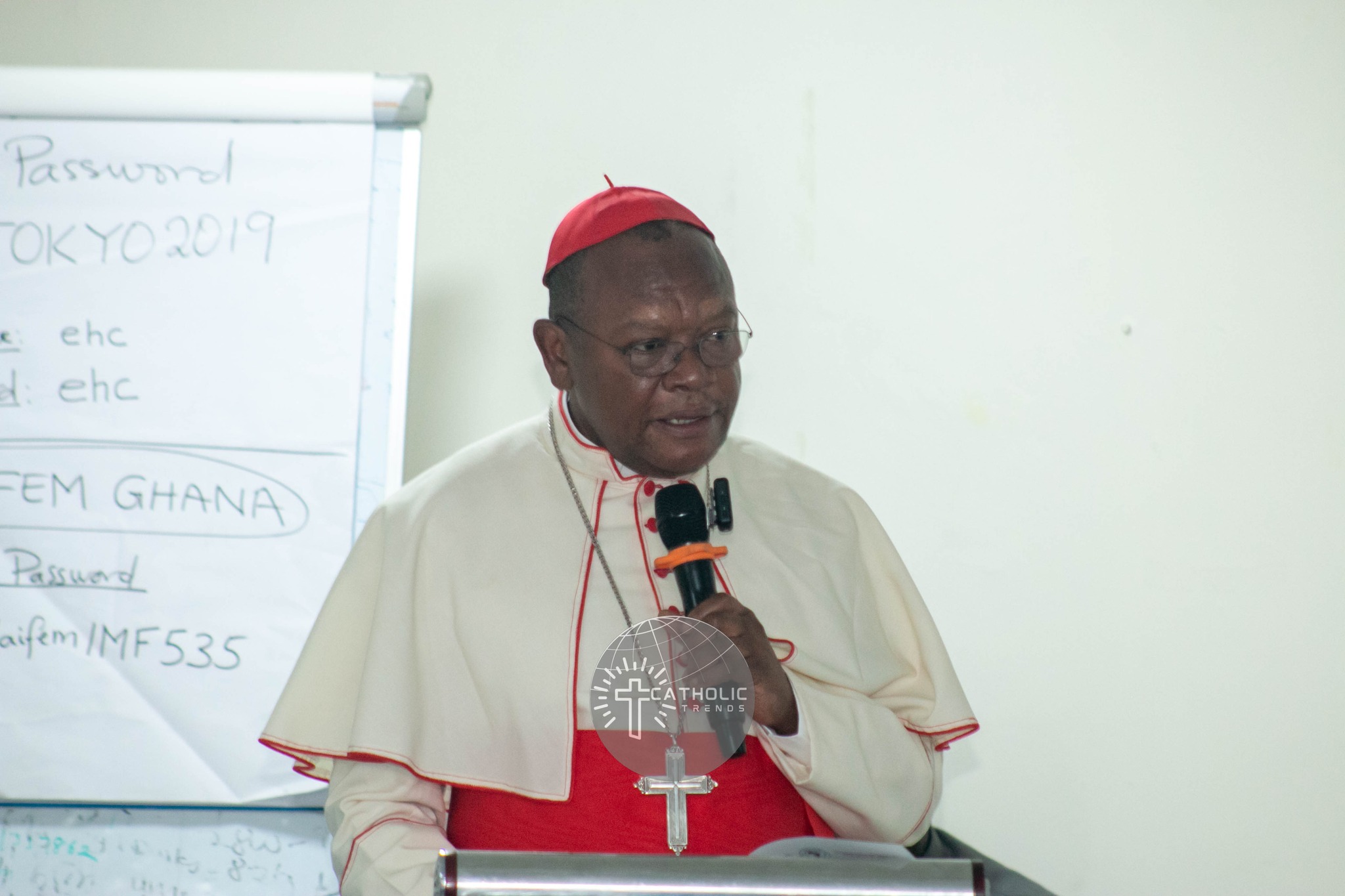
The Catholic Church in Africa has accused organisers of the AU–EU Summit in Luanda-Angola of shutting out civil society groups, including Church-linked networks, from discussions that directly affect Africa’s future.
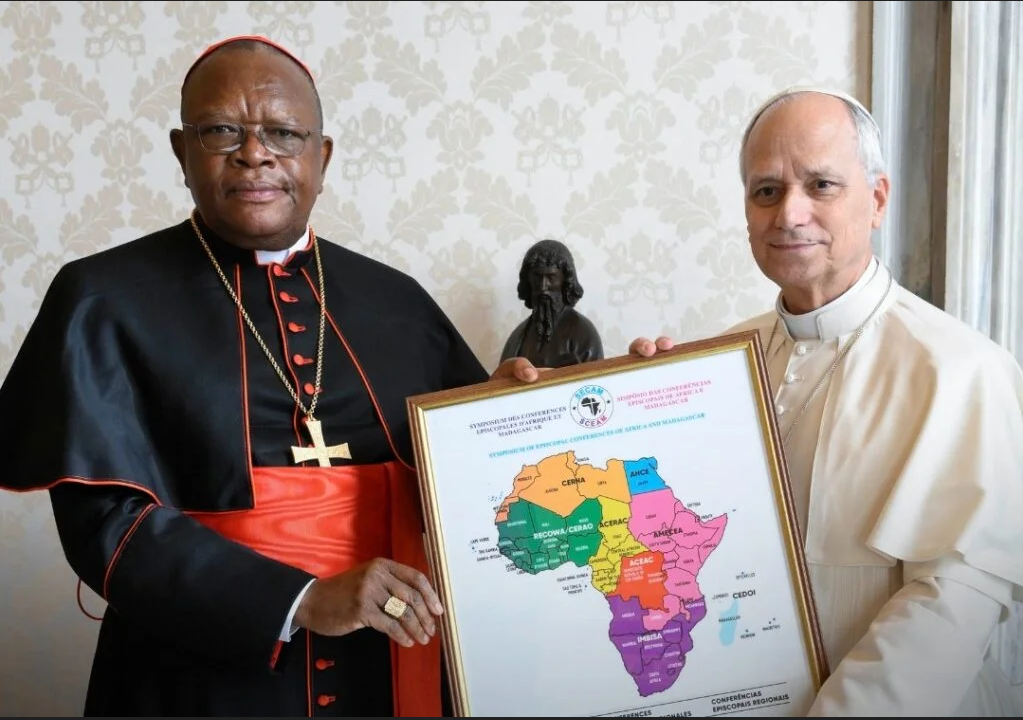
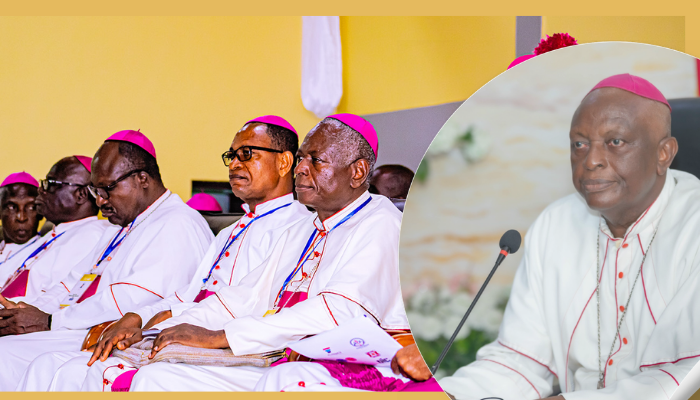
In a strongly worded statement issued on November 20, the Symposium of Episcopal Conferences of Africa and Madagascar (SECAM) said it was “compelled to highlight the restrictions imposed on civil society organizations in the official Summit process.” It warned that numerous African civil society organizations, including those willing to self-finance their participation, have been excluded, ranging from faith-based humanitarian bodies to women’s groups, youth associations and Indigenous organisations.
SECAM asked a pointed question that has already triggered debate online:
“How can a summit focused on Africa’s future exclude those who support African communities daily?”
The Church said the exclusion has forced stakeholders to gather instead at a Parallel Peoples’ Summit at the Catholic University of Angola—an event it stressed “is not an act of rebellion” but “a necessary response to insufficient participatory channels, a lack of transparency, technocratic top-down processes, and an imbalance of power between institutions and communities.”
The statement also challenged both the AU and EU to face hard truths about history, calling for real commitment to reparations as the AU launches the Decade of Reparations (2026–2036). SECAM said it expects the Summit to show “honesty about history and a genuine commitment to reparations,” insisting that the Transatlantic slave trade, colonialism, neocolonialism and ongoing exploitation remain “matters of historical fact and moral responsibility.”
The bishops did not spare the European Union, saying they were “deeply concerned that the European Union has not fully committed to reparatory justice for Africans and people of African descent,” despite benefiting from centuries of enslavement and colonial rule. They said the legacy persists in “an unfair trade system and the transgenerational trauma suffered by Africans and people of African descent.”
SECAM further warned that many AU–EU initiatives risk reinforcing extractive economic patterns, stressing that development must serve communities rather than geopolitical agendas. “Reparatory justice is essential,” it said, calling for structural fairness and restorative healing.
The statement linked debt and ecological issues to historical injustice, urging the Summit to uphold Africa’s sovereignty: “Africa’s forests, water sources, mineral resources, biodiversity hotspots, and vulnerable communities must never again be sacrificed for profit, geopolitics, or external interests.”
While the Church expressed hope for a stronger AU–EU partnership, it made clear that legitimacy depends on openness. A genuine partnership, it said, requires inclusion rather than exclusion and transparency rather than opacity, insisting that only “a dialogue rooted in justice will have the power to heal historical wounds.”






Discussion about this post