


The role of seminaries in advancing scholarly development
The preceding discussion highlights the special role that the seminary, the seedbed for nurturing priestly vocations, plays in fostering the rounded formation – human, spiritual, intellectual, and pastoral – of the clergy. Accordingly, it is appropriate to throw the spotlight on how our seminaries and formation centres are faring in promoting scholarship among contemporary Ghanaian Catholic priests.
In this regard, from an outsider’s perspective, the seminaries deserve considerable commendation for undertaking various initiatives, besides the regular lecture hall teaching, that foster the quest for exemplary scholarship. Prominent among such measures are the annual philosophy and theology week celebrations organised by the respective seminaries, each according to its specific academic focus.
To cite one example, earlier this month, St Victor’s Major Seminary, Tamale, held the second edition of its theology week celebration on the theme: “Synodality in Formation: Building a Church in which all belong through Collaborative Ministry”. While such initiatives are commendable, it is possible to enhance the value of annual celebrations as academic exercises for seminarians by occasionally making them student-led or by holding similar conferences in which seminarians present scholarly papers.
Indeed, student-led initiatives of intellectual discourse, such as seminars, debates, symposia, and conferences, could be organised at the inter-seminary level to explore topical issues in areas such as pastoral and moral theology, liturgy and canon law. This initiative would replicate the already existing inter-seminary games, although with a view to exercising minds rather than muscles.
Another laudable academic commitment by the seminaries concerns publications. Most, if not all, Ghana’s seminaries have some medium for publishing the insights of staff and students. Examples include Pedu Today and The Seed by St Peter’s Regional Seminary, Pedu, and St Paul’s Catholic Seminary, Sowutuom, respectively. These publications shape seminarians’ interest in writing and provide an avenue for honing embryonic literary talent.
Regarding publications, there are similar possibilities for further development. A robust, peer-reviewed academic journal, distinct from the existing forms that combine quasi-academic with popular writing, may be conceived. Such a journal, envisaged as a collaborative project involving all Ghana’s seminaries, will aid the dissemination of rigorously researched academic papers authored by seminary faculty, their colleagues in other tertiary institutions, and some competent students.
The added benefit of this initiative is the enhanced collaboration it will entail between the existing seminaries, which could involve partnering with the formation centres of religious congregations in the country. Although initiating this project may prove challenging, particularly regarding preliminary funding, it is a worthwhile undertaking.
The envisioned publication would help brew a distinctive theology, drawing on Ghanaian concerns as its ingredients. The absence of a truly Ghanaian theology, lamented by SOAS Professor Paul Gifford as far back as 1998, may yet be remedied through such an initiative.
Other simple innovations could foster livelier intellectual engagement among priestly candidates, equipping them for a vibrant learned ministry. The formation of seminary reading and discussion clubs is a case in point. Centring on influential texts and aided by interested faculty, groups of seminarians would engage the ideas of classical and contemporary writers in critical discussion.
These clubs will help nurture two vital elements of scholarship: intellectual curiosity and clarity of communication. Through such activities, contemporary clergy will foster the habit of mental agility, growing in the ability to engage viewpoints, including divergent ones, keenly yet sympathetically. Underdeveloped mental agility, rather than over exhaustion, may account for the disinterest of contemporary clergy in articles like this current contribution, which are either wholly ignored or insufficiently analysed, habitually receiving scant, if any, reaction.
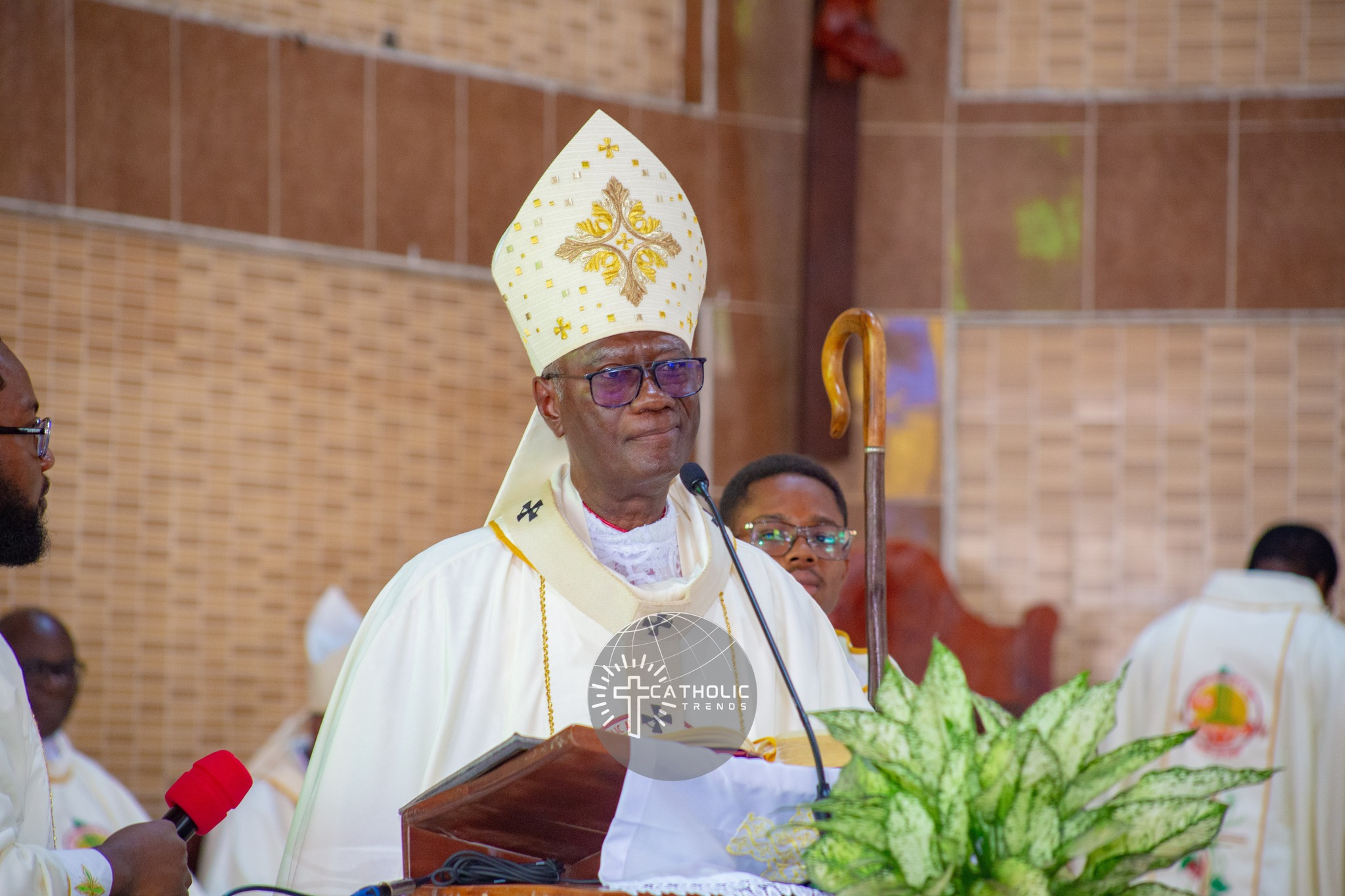
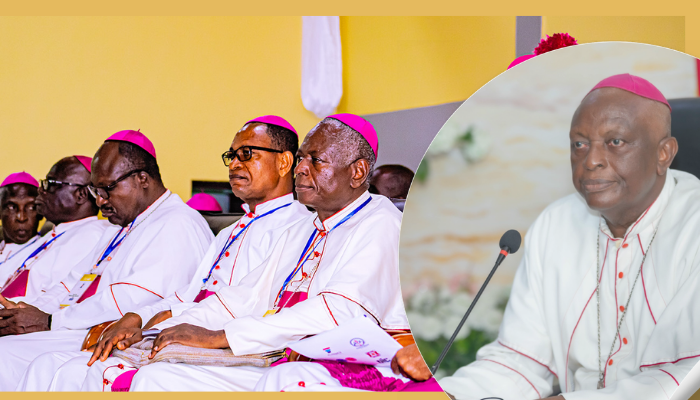
More audaciously, our seminaries may consider establishing centres for specialised research. While beginning such bold initiatives may require ecclesiastical approval, it is propitious that the current GCBC episcopal chairman for seminaries is a former seminary rector. For Most Rev. John Opoku-Agyemang and his episcopal peers, the value of such centres would be abundantly clear given the vital role they play in interfacing theory with praxis, scholarship with society.
The intellectual emphasis of the specialist centres located in our seminaries will emerge organically. Seminaries and formation centres in Kumasi, for instance, may coalesce around the theme of theological inculturation. A specialist research centre at St Paul’s Catholic Seminary, Sowutuom, may focus on urbanised Christianity, while Tamale’s St Victor’s Major Seminary study centre examines inter-religious dialogue.
Ghana’s oldest major seminary, Pedu’s St Peter’s Regional Seminary, could simultaneously memorialise Archbishop John Kodwo Amissah and advance his intellectual contributions by establishing the Amissah Centre for Canon Law Research in Africa.
Consequently, such centres, with appropriately stocked libraries, would attract a broader academic audience, thereby enhancing cross-fertilisation of ideas among sacred and secular scholars on cutting-edge topics. A welcome result of such specialist centres will be the gradual development of the Catholic intellectual slant from a predominant focus on apologetics to mature, objective, wide-ranging intellectual inquiry.
Conclusion
There are numerous ways to sharpen the intellectual acumen of contemporary Ghanaian clergy, whose keenness often dulls due to over exhaustion in pastoral ministry, among other reasons. This article has focused on the seminary’s role in nurturing priestly scholarly development. A mark of this contribution’s success would be others advancing the inquiry into ways to promote priestly scholarship today.
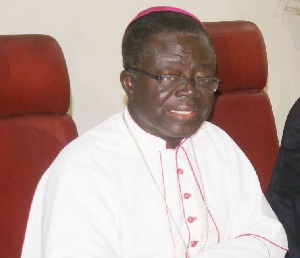
As Bishop Joseph Osei-Bonsu’s recent induction into the Ghana Academy of Arts and Sciences reminds us, the learned ministry is an essential aspect of the priestly office, and even while serving as the chief pastor of a local Church, it is still possible to engage in the intellectual life and excel in it.
Thus, there can be no excuse for today’s Catholic clergy for failing to pursue the demands of cultivating and fostering the life of the mind, according to each person’s ability and circumstances. While few Catholic priests will become Fellows of the Ghana Academy, they may all draw inspiration from the recognition accorded to a fellow Catholic cleric and aspire to realise, in themselves and for their noble calling, the healthy development of a successful learned ministry.







Discussion about this post