


The Regional Representative for Anglophone West Africa on the Synodality Observatory has said the Synod on Synodality is not about taking authority away from bishops and priests but about strengthening consultation and shared responsibility within the Catholic Church.
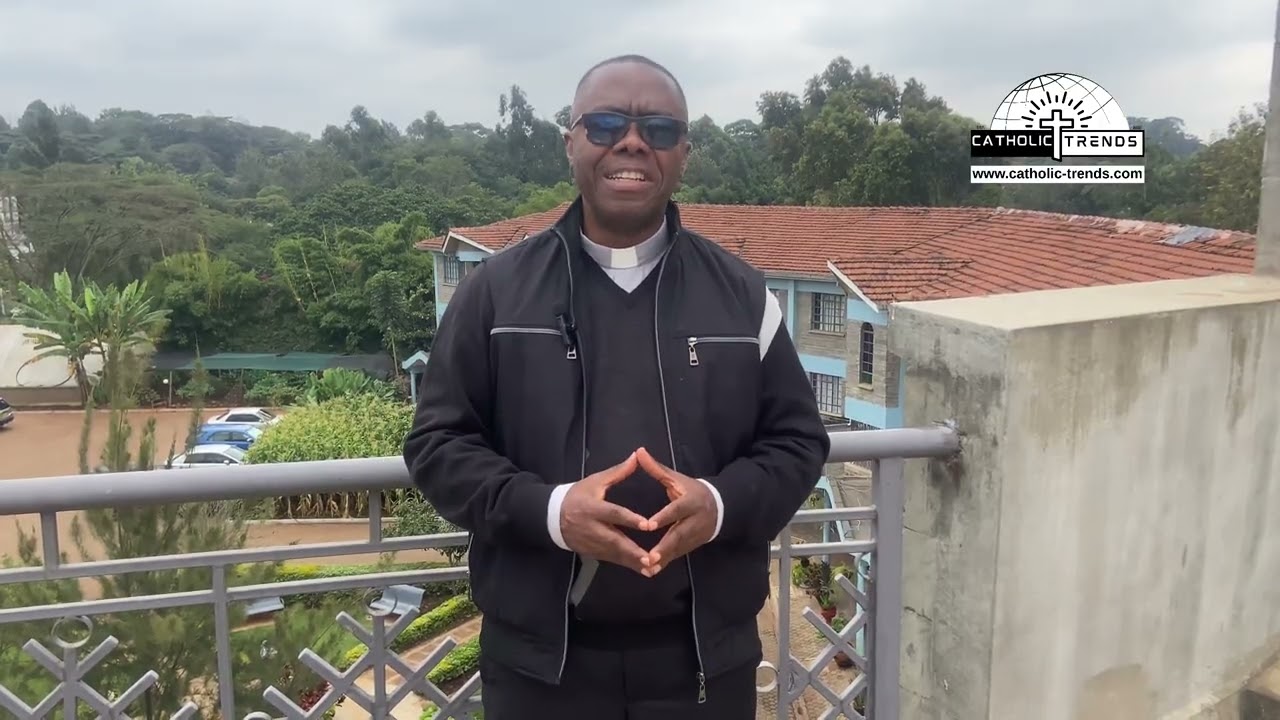
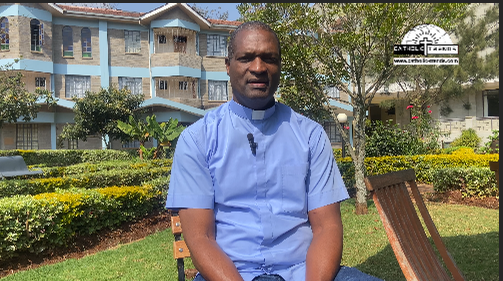
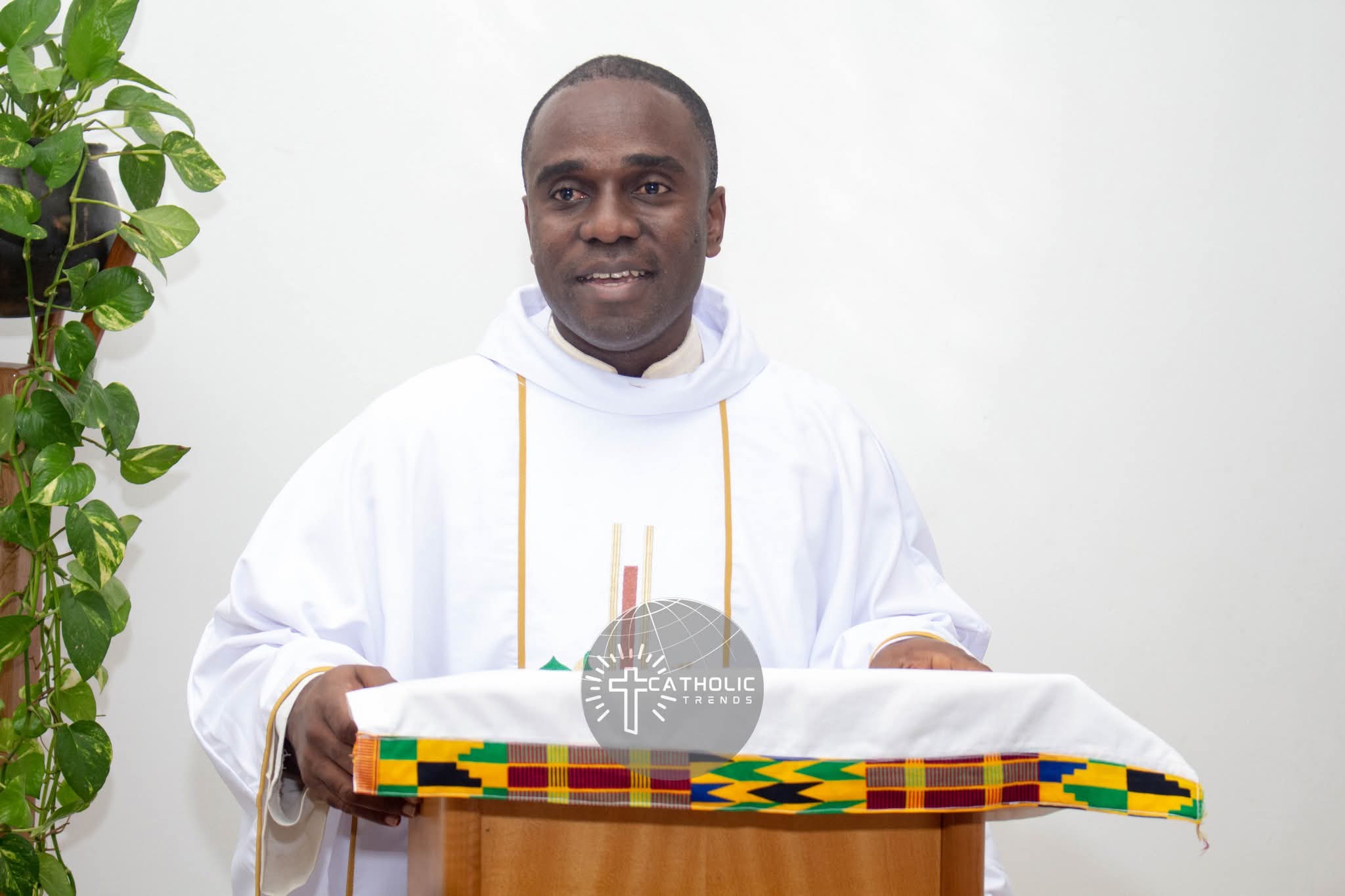
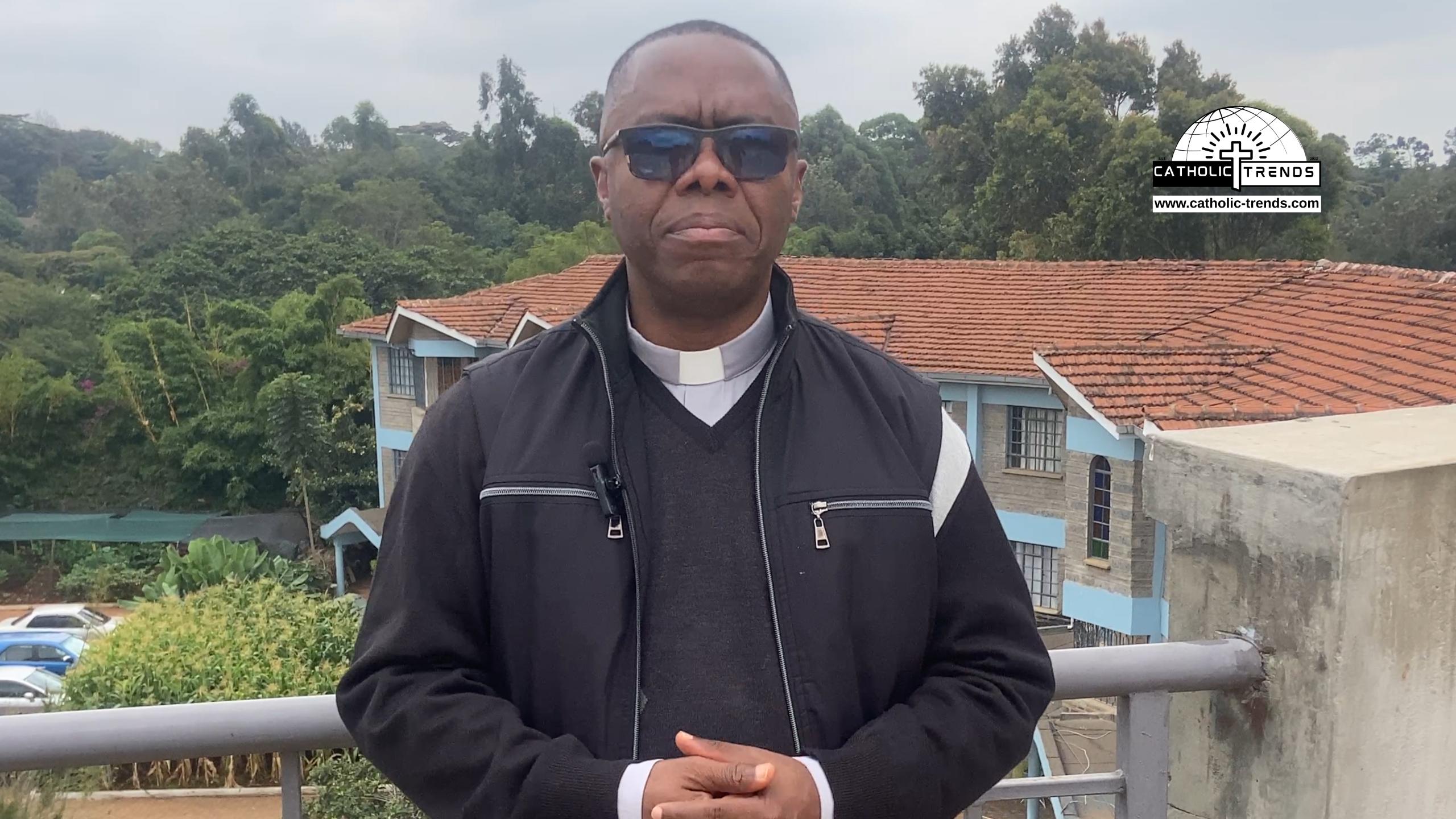
Rev. Fr. Vitalis Anaehobi who doubles as Secretary General of the Reunion of the Episcopal Conferences of West Africa, said in an interview with Catholic Trends that Synodality seeks to create a Church where all members of the faithful are listened to and encouraged to contribute to its mission.
“Synodality, simply put, is working together in a distinguished co-responsibility. It is making everybody responsible for the Church, each according to his faith,” Fr. Vitalis said.
He explained that while the process encourages wider participation, the responsibility for final decisions remains with those entrusted with pastoral leadership.
“Somebody is still in charge. When you begin a process of discernment, you consult. Then you come to the point where somebody takes the decision. That is the bishop, if he is in a local Church. If he is in a parish, he is the parish priest,” he said.
“But synodality says, take everybody along with you. Move along with everybody.”
Fr. Vitalis made the remarks while reflecting on the ongoing implementation of the Synod on Synodality and Africa’s efforts to deepen the practice of journeying together within the Church.
According to Fr. Vitalis, Synodality is not a new concept for the Catholic Church but a renewal of a practice that has existed from the beginning of Christianity.
“As a concept, the Church has always been synodal. The first Council in Jerusalem was a synodal assembly, and the Church has always been synodal,” he said.
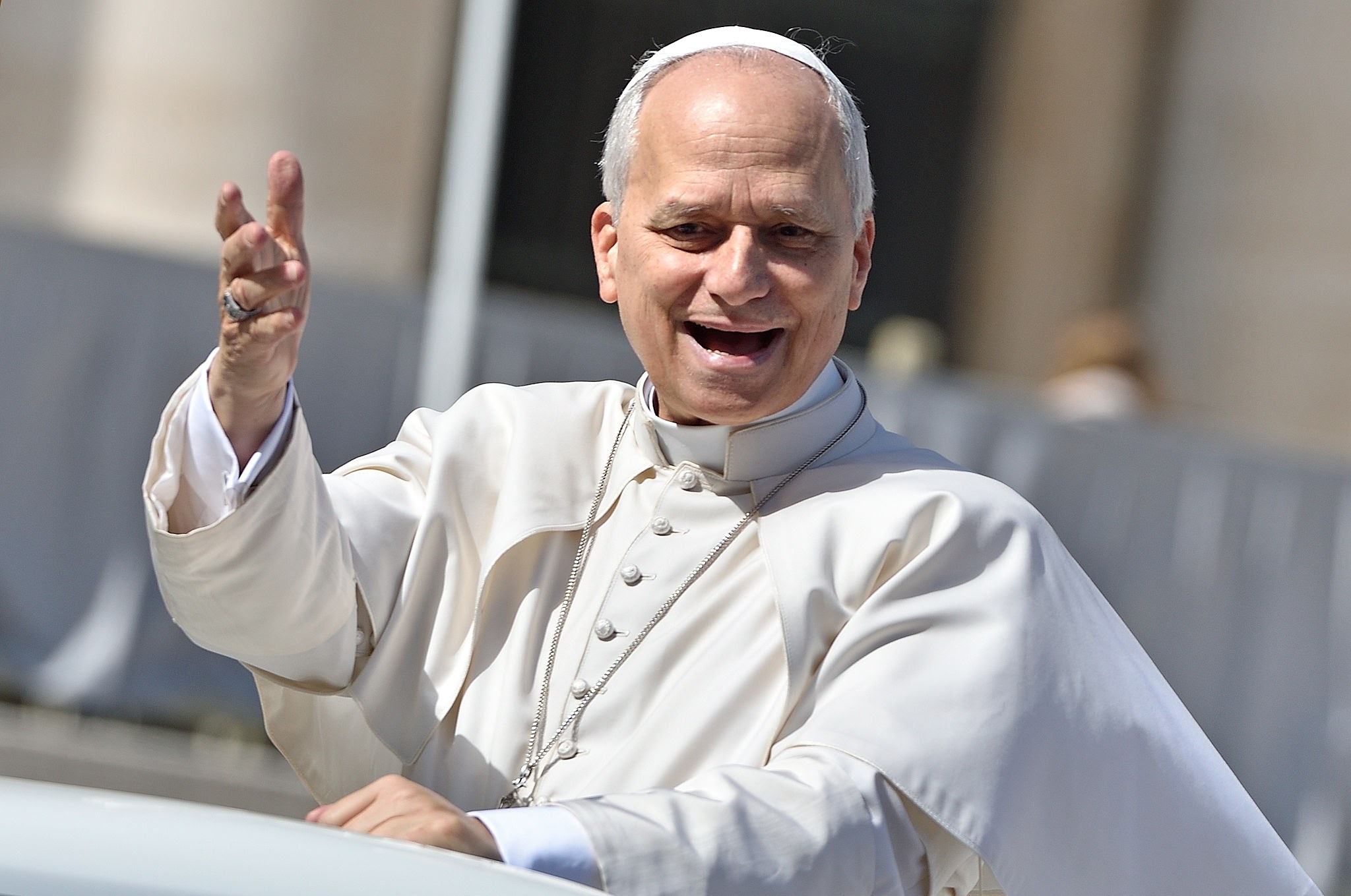
He added that the current emphasis from Pope Francis is a call for the Church to rediscover its identity as a community that listens and walks together.
Fr. Vitalis said the Synodal journey is also challenging Church structures to embrace greater inclusion, ensuring that the voices of different groups within the Church are considered.
“The perspective of inclusivity is that everybody has to be touched,” he said.
He stressed that evaluation of the Synod’s implementation should not be seen as a judgement of past actions but as an opportunity to strengthen the Church’s mission.
“Evaluation is not about judgement; it is about giving more energy to the whole process,” he said.
Fr. Vitalis said the success of Synodality will depend on the ability of the Church to ensure that every member recognises their role.
“The Church belongs to everybody, and everybody has a role to play,” he said. “It is a way of collaborating in a way that everybody feels responsible, everybody carries the weight, and everybody contributes.”






Discussion about this post