


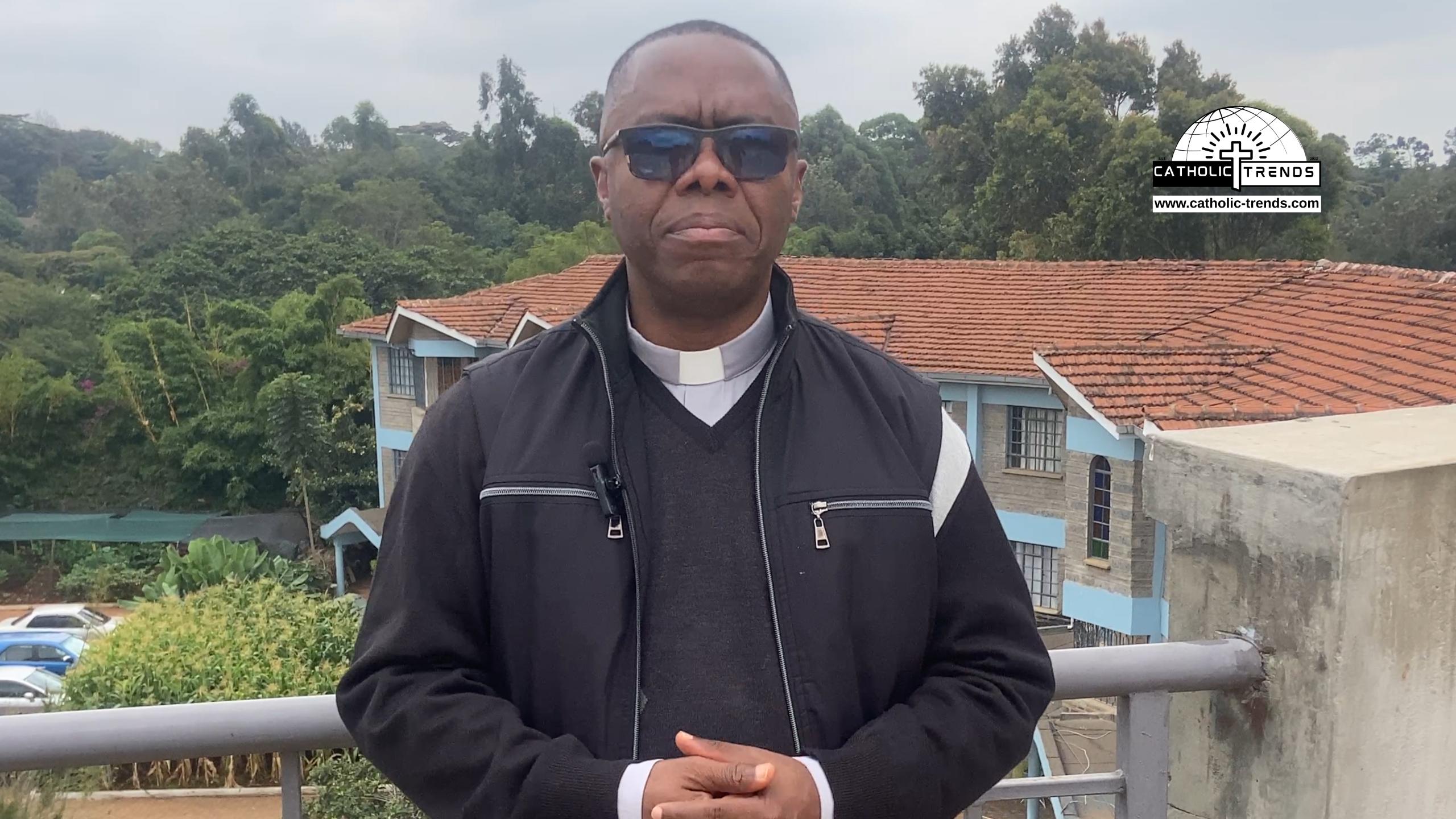
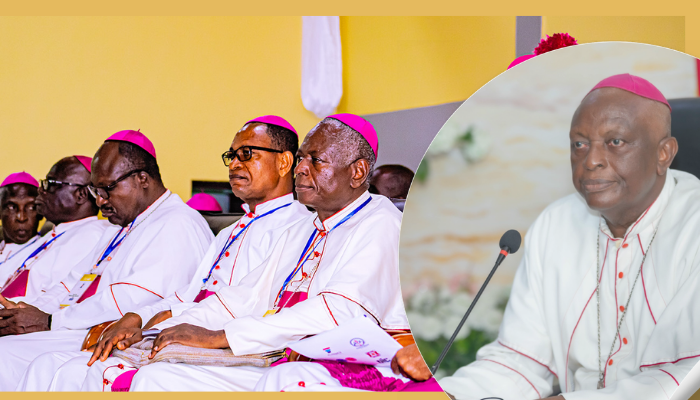
The Regional Episcopal Conference of West Africa (RECOWA) has called on young Catholics gathered in Accra for the first West Africa Youth Days (WAYD 2026) to embrace their vocation as builders of peace, reconciliation and hope in the region.
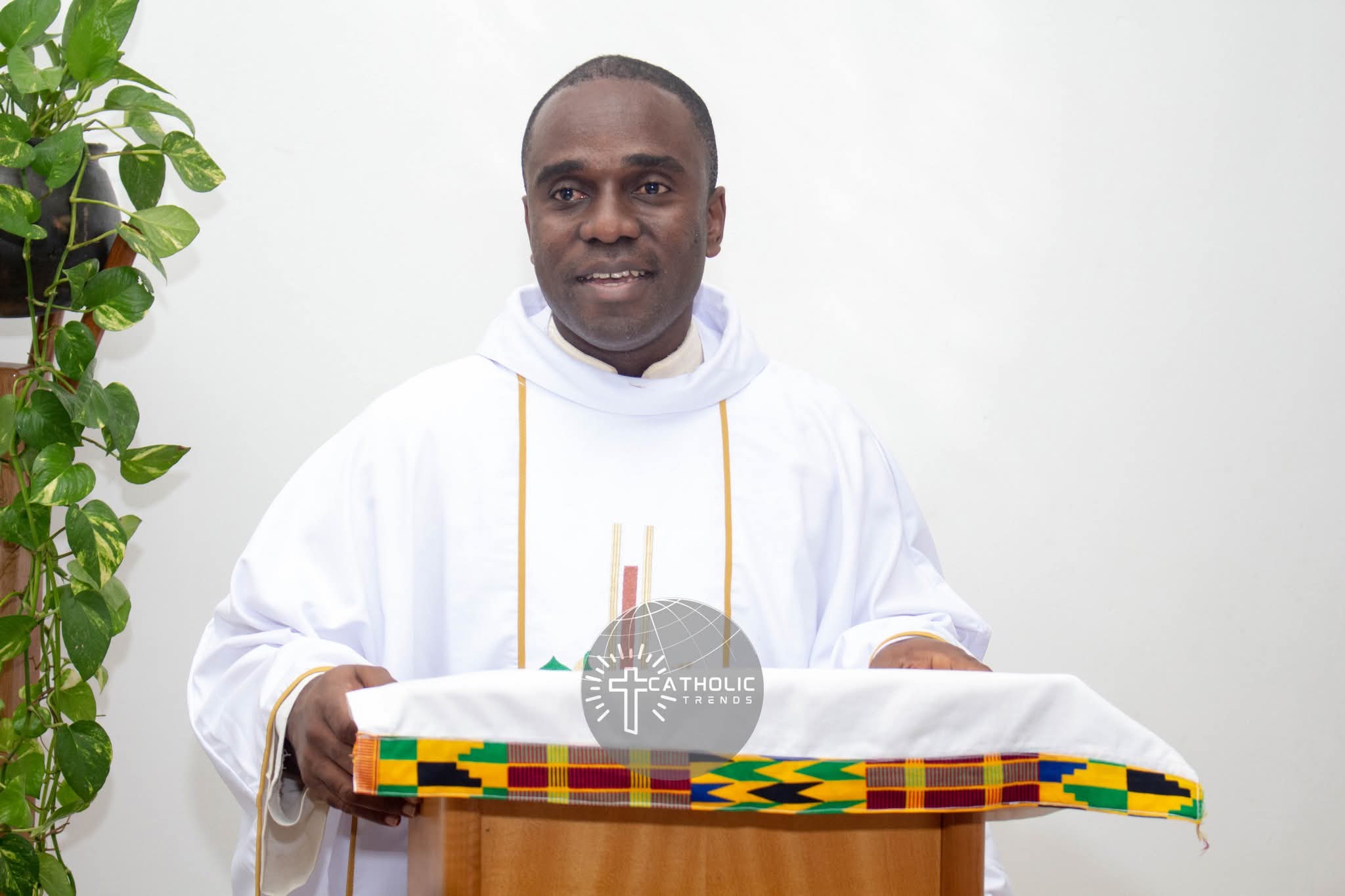
Welcoming participants to the historic gathering on September 7, RECOWA Secretary General Fr. Vitalis Anaehobi described WAYD 2026 as a sacred opportunity for young Catholics from across West Africa to encounter one another, deepen their faith and discern their role in the life and mission of the Church.
“It is with an overjoyed heart that I welcome you all to Accra for this historic first edition of the West African Youth Days (WAYD 2026),” Fr. Anaehobi said.
He welcomed young people who had travelled across national borders and overcome logistical difficulties to participate in the gathering, describing them as one family in Christ.
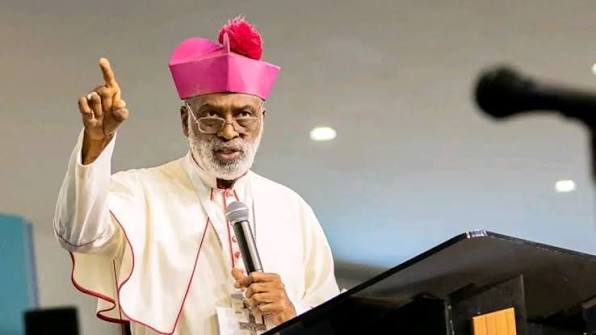
The RECOWA Secretary General expressed gratitude to the Catholic Church in Ghana, the Ghana Catholic Bishops’ Conference, the Apostolic Nuncio, regional bishops, organisers and the people of Ghana for hosting the event.
He also thanked the Holy See, particularly the Dicastery for Promoting Integral Human Development, for its support and official patronage of the regional youth initiative.
Fr. Anaehobi said the presence and support of the Holy See represented “a powerful sign of the universal Church’s pastoral accompaniment and closeness to the youth of West Africa.”
He also acknowledged the solidarity of international Catholic partners, including the United States Conference of Catholic Bishops (USCCB) and Catholic Agency for Overseas Development (CAFOD), saying their support reflected an investment in the young people of the region.
Turning to the challenges facing West Africa, Fr. Anaehobi acknowledged instability, environmental crises and economic uncertainty confronting the region.
Yet, he said, the presence of young Catholics gathered in Accra offered reason for hope.
The theme of the gathering, “Take Courage: Catholic Youth as Actors and Agents of Peace and Hope in West Africa,” should remind young people that their contribution to the Church and society cannot be postponed, he said.
“You are not just the future; you are the present force for change,” Fr. Anaehobi told the participants.
Drawing on the late Pope Francis’ apostolic exhortation Christus Vivit, he reminded the young Catholics of the grace and responsibility that accompany youth.
“Youth is a blessed time for the young and a grace for the Church and for the world. It is joy, a song of hope and a blessing.”
Fr. Anaehobi urged the participants to become “artisans of reconciliation” and to allow their faith to inspire concrete efforts towards peace in their communities and across the region.
The RECOWA Secretary General also placed the youth gathering within the Church’s ongoing synodal journey, describing the week as a sacred space for encounter, prayer and dialogue.
He encouraged participants to engage actively in the programme, particularly the palaver sessions and workshops addressing integral ecology and human dignity.
He urged the young Catholics to listen to one another, especially across national and cultural boundaries, and to bring their experiences and perspectives into the conversations.
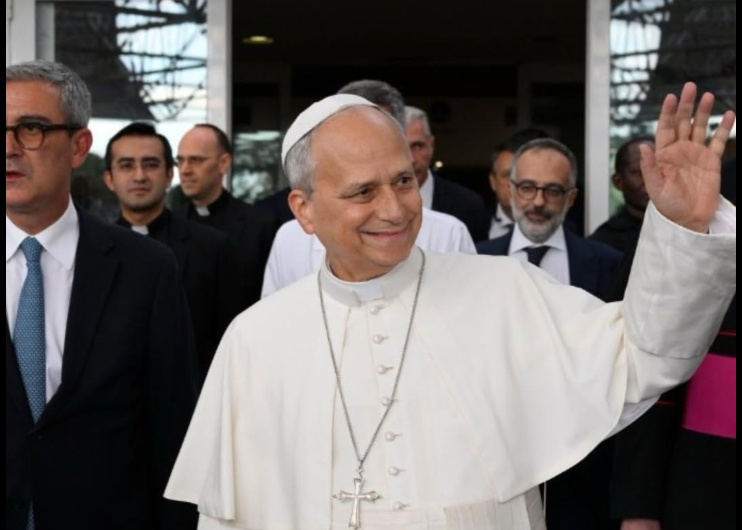
Quoting Pope Leo XIV, Fr. Anaehobi challenged the youth to reject forms of religious discourse that divide communities and instead become builders of reconciliation.
“Do not follow those who use the words of faith to divide; instead, make plans to remove inequalities and reconcile divided and oppressed communities… Let us listen to the voice of God within us and overcome our selfishness, becoming active artisans of peace.”
The RECOWA Secretary General further reminded the participants that their role in the Church is not something reserved for the future.
“You are not only the future of the church, but you are also the present. Your voices, your ideas, your faith matter right now.”
He therefore encouraged the young Catholics not to remain passive participants but to contribute their gifts to the life of the Church and to the search for peace and human dignity in West Africa.






Discussion about this post