


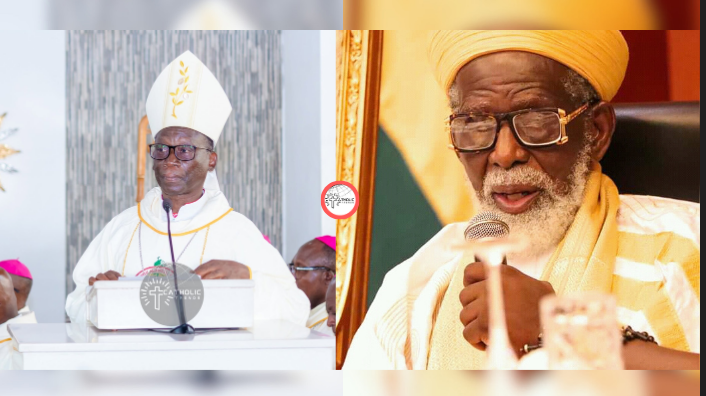
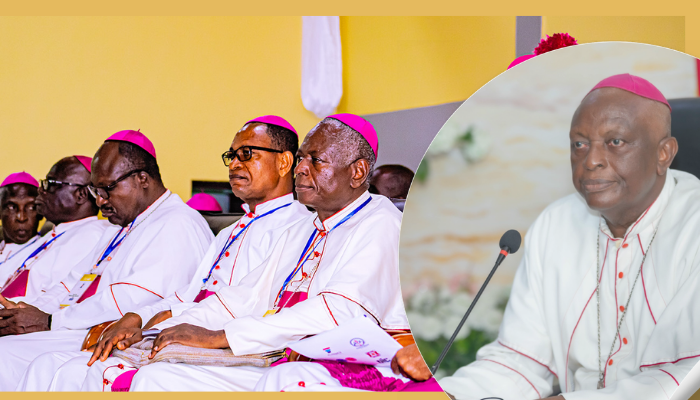
The Ghana Catholic Bishops’ Conference and the Office of the National Chief Imam have called for a coordinated national response to the growing problem of indiscipline in Ghanaian schools, stressing that the responsibility for forming disciplined and responsible young people cannot be left to schools and teachers alone.
The call was made in a communique issued after the 4th Annual Dialogue Meeting between the two institutions, held at the National Mosque of Ghana in Kanda, Accra, on 5 August 2026.
Held under the theme, “Addressing the Challenges of Rising Indiscipline in Our Schools: The Role of Faith-Based Organisations,” the meeting brought together about 150 representatives from religious bodies, government institutions, traditional authorities, educational institutions and other sectors of society.
The annual dialogue, convened under the auspices of the Inter-Faith Initiative and hosted by the Office of the National Chief Imam, examined the moral, social, institutional and systemic factors contributing to indiscipline among young people.
Participants agreed that education must go beyond academic and technical training to include the formation of character, integrity, self-discipline, respect for authority, responsibility and responsible citizenship.
Faith communities urged to play greater role
The meeting recognised faith-based organisations as key partners in addressing the roots of indiscipline, citing their extensive community networks, moral influence and institutional reach.
According to the communiqué issued after the meeting, religious organisations can complement the work of educational authorities through sustained moral and spiritual formation, counselling, mentorship, values education and engagement with schools and families.
The participants also stressed that indiscipline should be addressed through a whole-of-society approach, involving parents and guardians, schools, government, religious bodies, traditional authorities, civil society organisations and communities.
The meeting identified a range of behaviours associated with the problem, including disrespect for authority, violence, substance abuse, truancy, examination malpractice, sexual misconduct, vandalism and other forms of antisocial behaviour.
Family placed at centre of solution
The Catholic and Muslim leaders expressed concern about weaknesses within the home environment, including inadequate parental supervision, weakened family structures, inconsistent discipline and poor communication between parents and children.
They reaffirmed the family as the primary institution of socialisation and moral formation and called for parents and guardians to receive greater support in carrying out this responsibility.
The dialogue also called attention to institutional factors within schools, including weak leadership, unclear codes of conduct, inconsistent enforcement of regulations and strained teacher student relationships.
School authorities were encouraged to apply discipline that is firm, fair, consistent and restorative, while protecting the dignity and rights of students.
Joint inter-faith committee to be established
As part of the resolutions, the meeting agreed to establish a Joint Inter-Faith Committee to translate the recommendations of the dialogue into a comprehensive, time-bound action plan.
The committee is expected to define responsibilities, deliverables and implementation timelines, while monitoring progress and coordinating interventions among participating religious bodies and other stakeholders.
It will also present a comprehensive report at the 5th Annual Dialogue Meeting in 2027, detailing interventions undertaken, measurable outcomes, challenges and lessons learnt.
Government urged to strengthen partnership with mission schools
The meeting further called on the Government of Ghana, through the Ministry of Education, Ghana Education Service and Commission for Technical and Vocational Education and Training, to establish formal partnership arrangements with faith-based organisations and mission schools.
Such arrangements, the participants said, should provide a framework for collaboration, accountability, resource mobilisation and quality education while respecting the legitimate institutional identity and mission of faith-based educational institutions.
The communiqué specifically called for full recognition of the historical and institutional ownership and managerial authority of mission-established schools, timely and adequate government subventions and teaching and learning resources, and the regular remuneration and absorption of qualified mission school staff who meet the requirements for placement on the public payroll.
It also called for greater emphasis on Moral Education, Civic Education, Character Formation and responsible citizenship in educational programmes and curricula.
Shift from punishment to prevention
The two religious institutions also advocated a stronger focus on preventing indiscipline rather than relying exclusively on punitive measures.
They called for increased use of counselling, mentorship, peer support, psychosocial support, leadership development, sports and other constructive extracurricular activities.
Schools and faith-based organisations were encouraged to identify and address the social, emotional, family and economic factors that may contribute to persistent behavioural challenges among students.
Concern over social media influence
The dialogue also highlighted the influence of digital and social media on young people.
Participants expressed concern about the unregulated and potentially harmful content accessible to children and called for greater digital literacy, responsible media use, parental guidance and age-appropriate safeguards.
Faith-based organisations, schools, parents and public agencies were urged to intensify education on responsible digital citizenship, online safety, critical evaluation of digital content and protection of children from harmful or age-inappropriate material.
‘Education must form the conscience and character’
In their concluding statement, the Ghana Catholic Bishops’ Conference and the Office of the National Chief Imam described the education and formation of Ghanaian children as both a shared national responsibility and a moral imperative.
They stressed that the problem of indiscipline is complex and cannot be solved through isolated interventions, but requires sustained cooperation among families, faith communities, schools, government, traditional authorities, civil society and the wider Ghanaian community.
“As Muslim and Christian leaders,” they reaffirmed their commitment to deepening inter-faith cooperation and working with the State and other stakeholders to promote an educational culture founded on discipline, integrity, respect, responsibility, peaceful coexistence and service to the common good.
The communiqué concluded with a call to all people of goodwill and institutions to support sustainable initiatives aimed at strengthening the moral and character formation of Ghana’s young people.
“Education must form not only the mind, but also the conscience and character,” the two institutions affirmed, “if it is to fulfil its proper purpose in the development of the individual and the nation.”
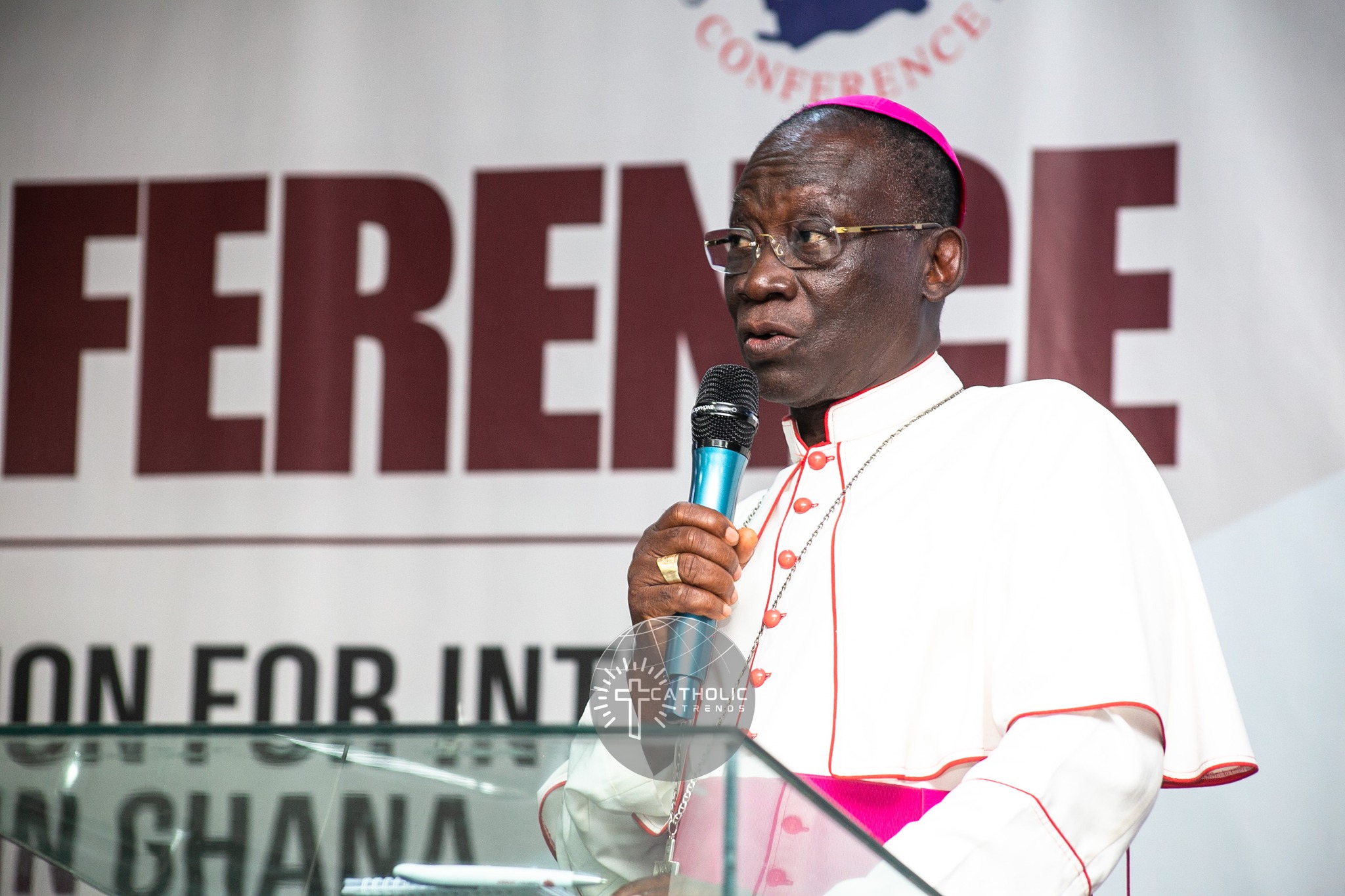
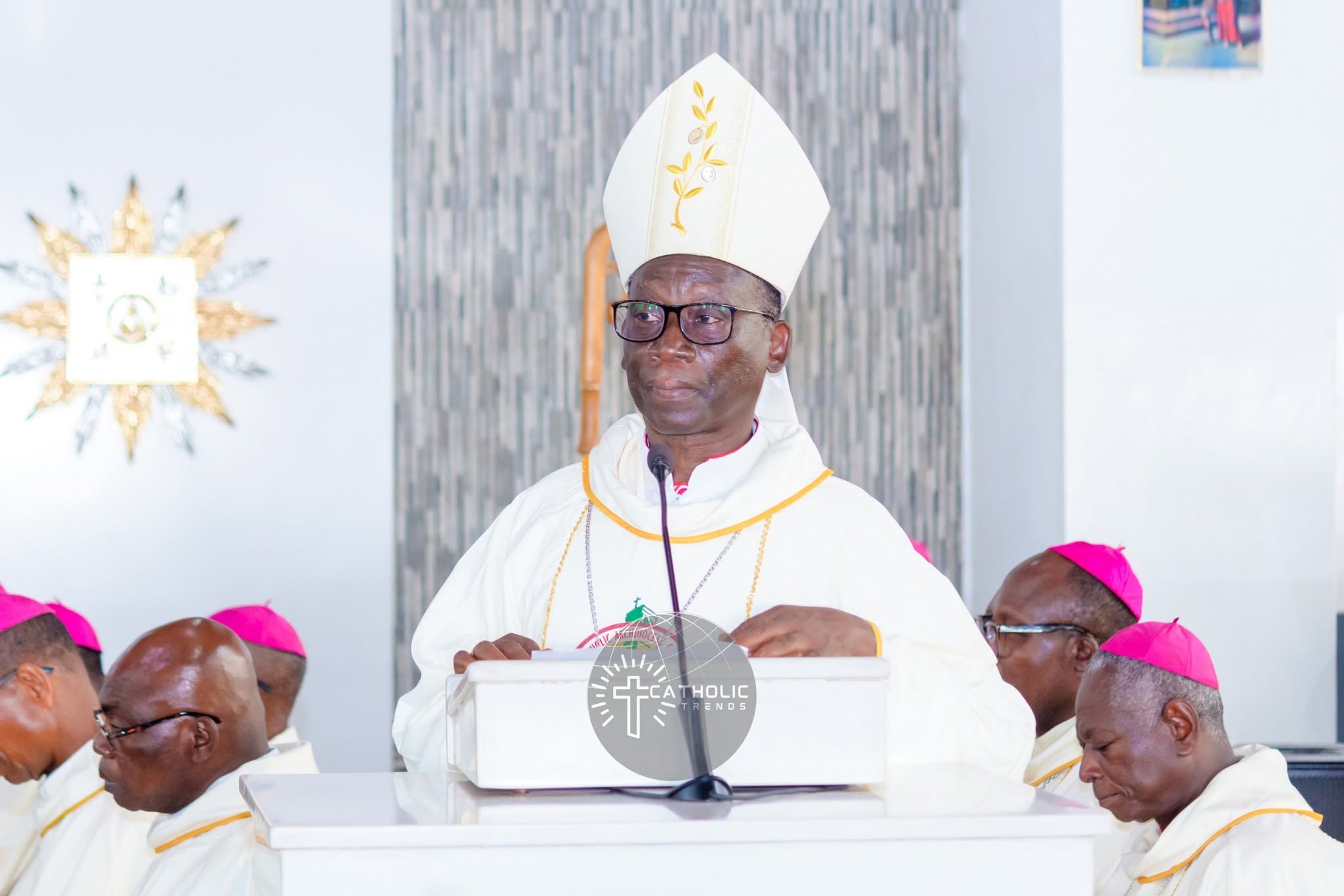
The communiqué was signed in Accra by Sheikh Dr Osman Nuhu Sharubutu, National Chief Imam of Ghana, and Most Rev. Matthew Kwasi Gyamfi, Bishop of Sunyani and President of the Ghana Catholic Bishops’ Conference.





Discussion about this post