


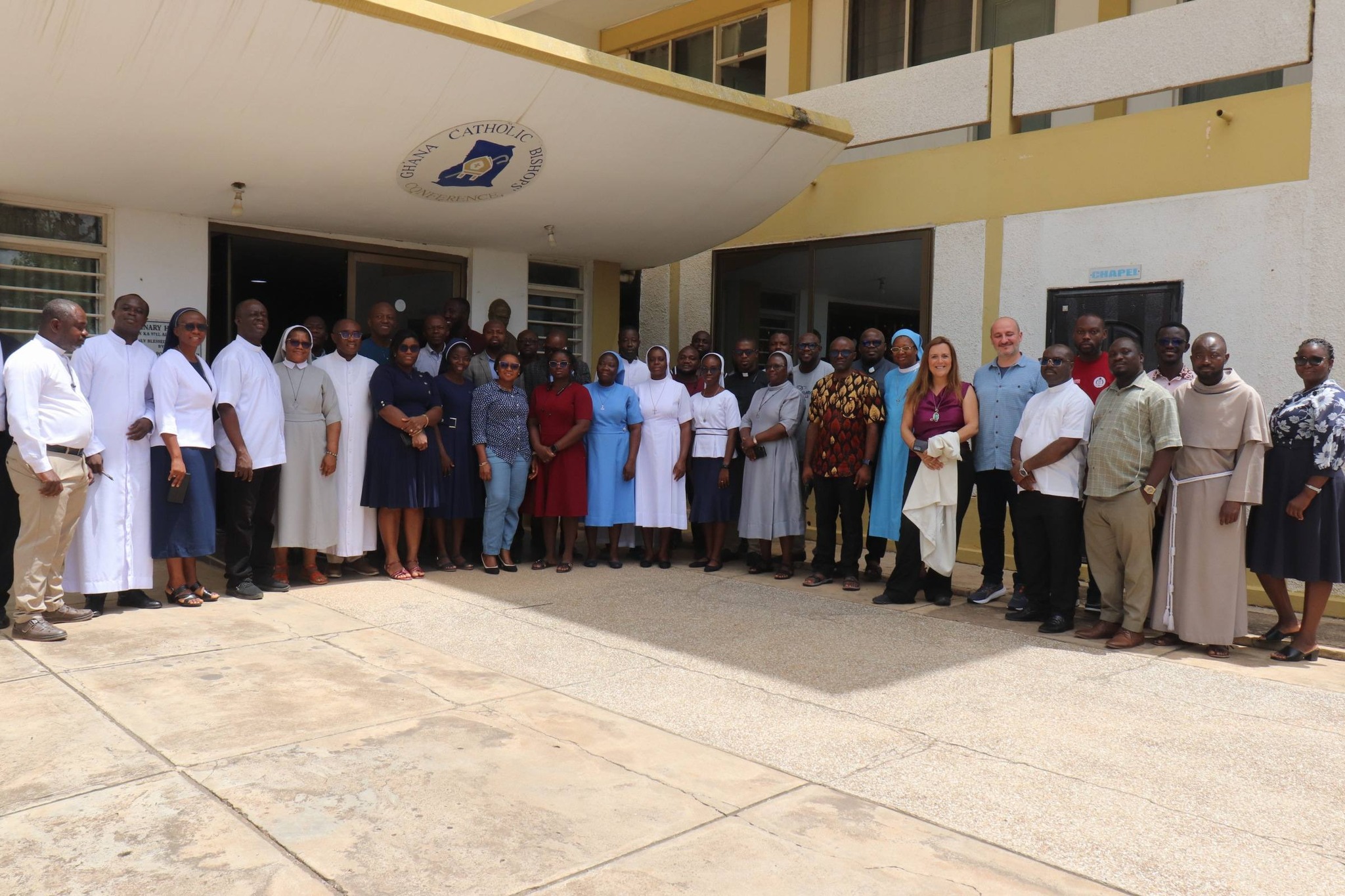
Participants at a conference on artificial intelligence held in Accra have developed an ethical AI framework to guide the Church’s digital engagement in Ghana.
The framework was developed this week at a conference backed by the Vatican’s Dicastery for Promoting Integral Human Development, held at the National Catholic Secretariat (NCS) from May 19 – 21.
The conference, under the theme, “Artificial Intelligence: A Catholic Perspective from Ethical Principles to Critical Use,” brought together fifty participants, including Diocesan Communications Directors, leaders of the Conference of Major Superiors of Religious Ghana as well as heads of departments and directorates at the NCS.
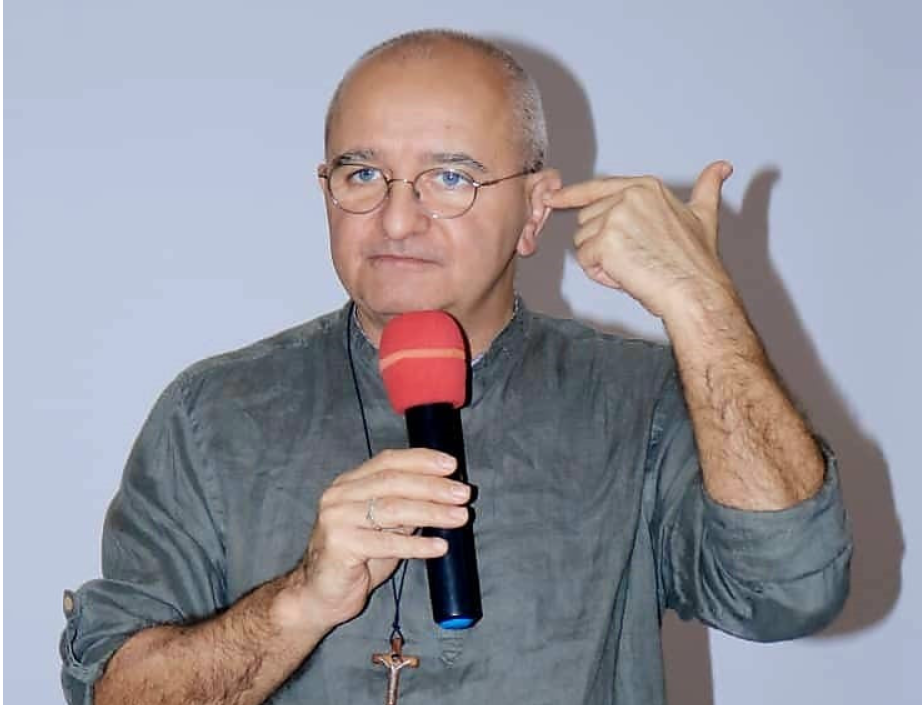
The sessions were anchored on the Rome Call for AI Ethics, with facilitators Maria Amparo Alonso and Luca Baraldi of the Ethical Artificial Intelligence for Human Development initiative guiding discussions on ethics, education and rights in the use of artificial intelligence.
Participants were reminded that technological advancement must serve the human family and that any system which degrades, exploits or manipulates human reason and conscience has fundamentally failed.
The conference further highlighted global inequalities in digital infrastructure, noting that Africa holds less than one percent of global data centre capacity, even as Ghana advances its national artificial intelligence strategy.
Attention was also drawn to the environmental and human costs of artificial intelligence systems, including cobalt mining conditions in the Democratic Republic of Congo and the environmental impact of large-scale computing.
Church institutions were further warned about emerging digital security risks such as deepfake videos, cloned voices and fraudulent QR codes targeting Church structures.
Participants agreed on a directive that urgency must never override verification and developed a deployment checklist requiring human oversight of all AI-generated content before publication.
Just to add that there were over 50 participants.
And participants also include heads of departments and directorates at the NCS.







Discussion about this post