


He said the Church must respond to victims with compassionate listening, solidarity and concrete assistance to help them find safety, stressing that the sanctity of marriage should never be used to justify keeping someone in an abusive relationship.
“Marriage is sacred, and we shall always defend its sanctity. However, the sacredness of marriage has never demanded that a woman remain where her life or dignity is imperilled,” Fr. Adzimah said.
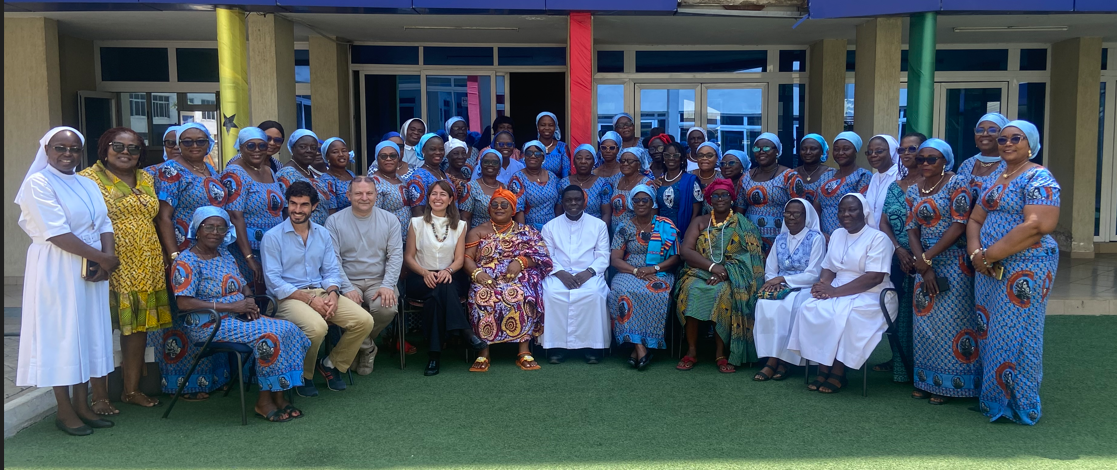
He was speaking at the launch of a five-day awareness campaign against gender-based violence and discrimination, organised by the World Union of Catholic Women’s Organisations (WUCWO) in collaboration with the National Council of Catholic Women (NCCW) in Ghana and the Conference of Major Superiors of Religious in Ghana (CMSR-Gh).
The programme, which began on Tuesday, November 3, 2026, is being held at the Ghana National Association of Teachers (GNAT) Hall in Accra under the theme, From Listening to Action: Digital Skills for Women’s Empowerment and Community Impact.
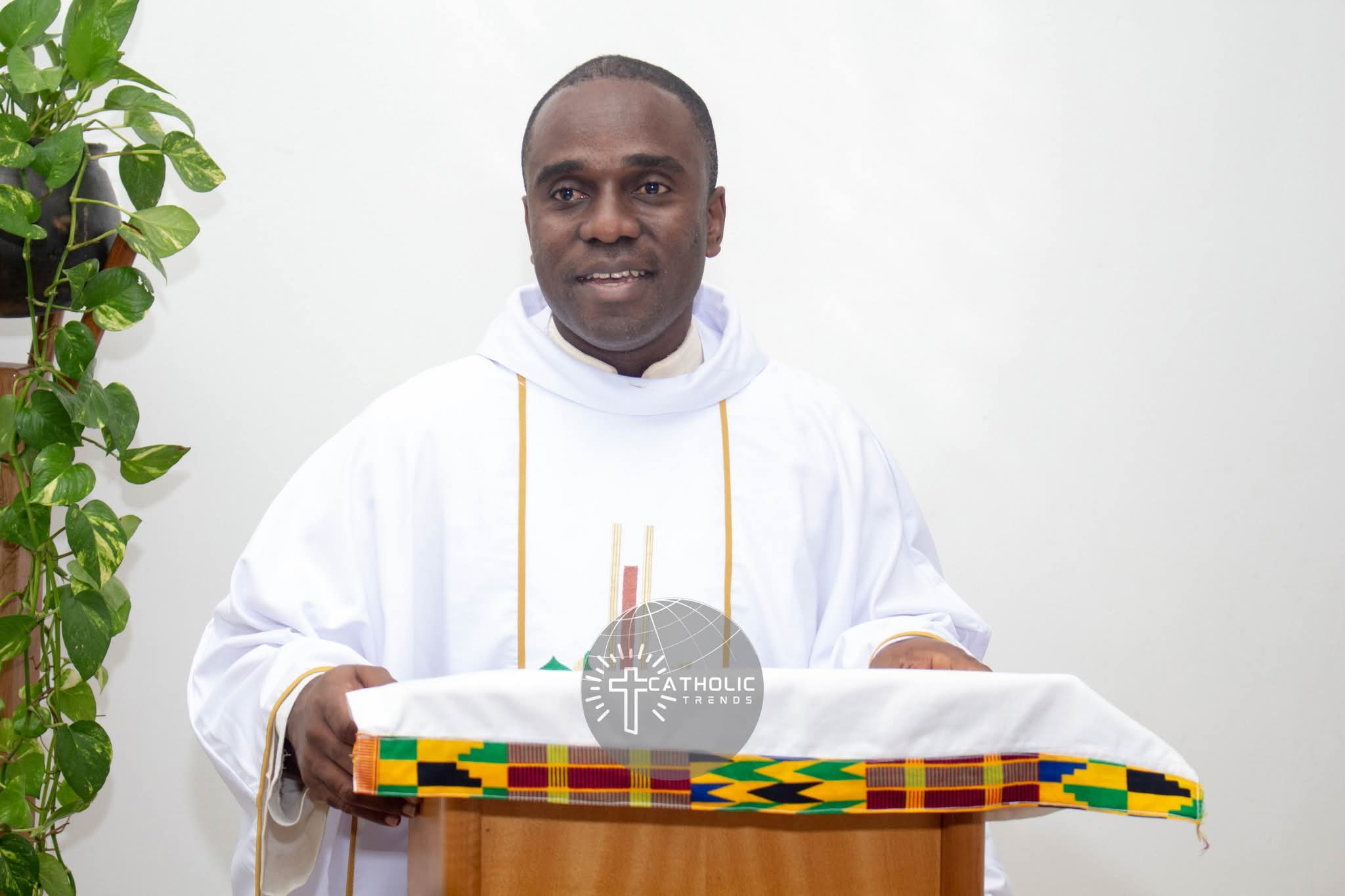
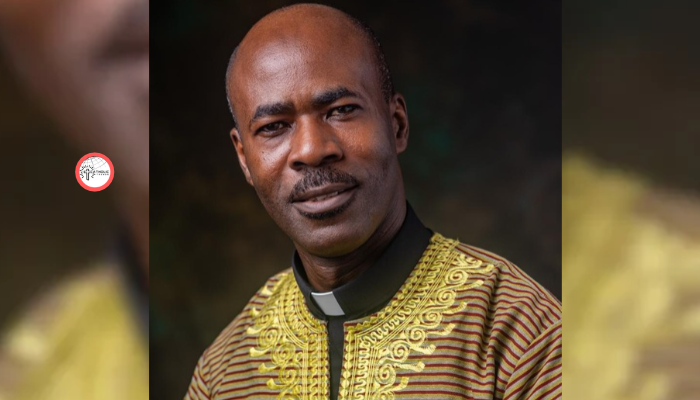
Fr. Adzimah delivered the address on behalf of the Secretary-General of the Ghana Catholic Bishops’ Conference, Very Rev. Fr. Clement Kwasi Adjei.
Citing Canon 1153 of the Code of Canon Law, he explained that grave physical or mental danger to a spouse or children constitutes a legitimate reason for separation.
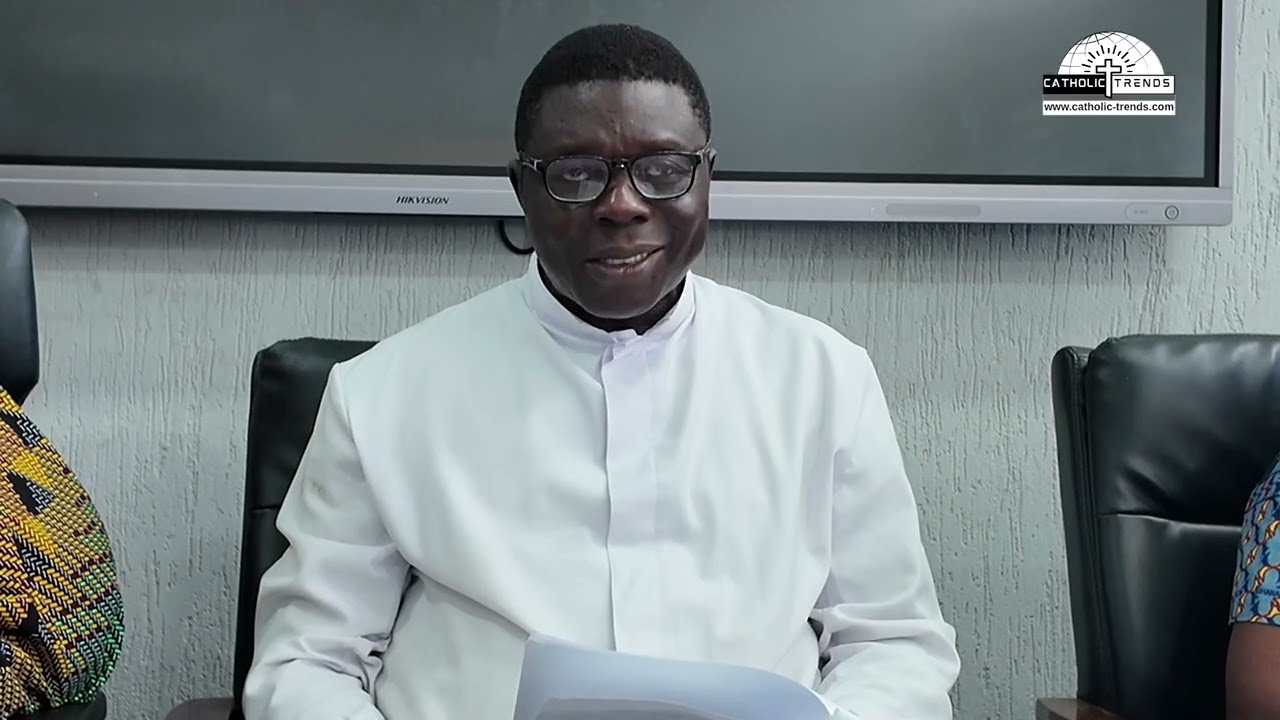
He urged Church leaders to ensure that people who find the courage to report abuse are received with compassion and helped to access appropriate support services.
“When a woman summons the courage to speak, our first and sacred duty is to listen with compassion, to stand with her in solidarity, and to help her find safety,” he said.
He identified the Department of Social Welfare and the Domestic Violence and Victim Support Unit (DOVVSU) of the Ghana Police Service as avenues through which victims could seek assistance.
Church needs more than sympathy to confront violence
Fr. Adzimah stressed that the Church’s response to gender-based violence must be informed by credible information and evidence to help identify problems within communities, plan appropriate interventions and assess their impact.
“To confront violence, the Church needs more than sympathy. It needs evidence,” he said.
He called on Catholic women to use the digital skills acquired through the workshop to strengthen the Church’s capacity to document cases, gather reliable information and develop effective responses to abuse.
He said the ability to maintain accurate records, prepare documents and present data effectively would help Catholic organisations plan with greater foresight and respond more effectively to the needs of their communities.
However, he cautioned participants to handle information concerning survivors responsibly, warning that careless sharing of personal stories or failure to secure sensitive records could expose victims to further harm.
“Technology must always be at the service of the human person, never the other way around. Every record concerning a survivor is a sacred trust,” he stressed.
Men and boys must be part of the response
The CEHOD Director also called for greater involvement of men in efforts to prevent domestic violence and discrimination, noting that men and boys can also be victims of abuse.
Referring to a study he said he conducted with DOVVSU, he observed that domestic violence also affects boys and husbands, adding that women can also be perpetrators.
He appealed to the Catholic Men’s Association, particularly the Knights of Marshall and the Knights of St John International, to stand alongside Catholic women in addressing violence.
“Men and boys are indispensable partners in this journey,” he said.






Discussion about this post