


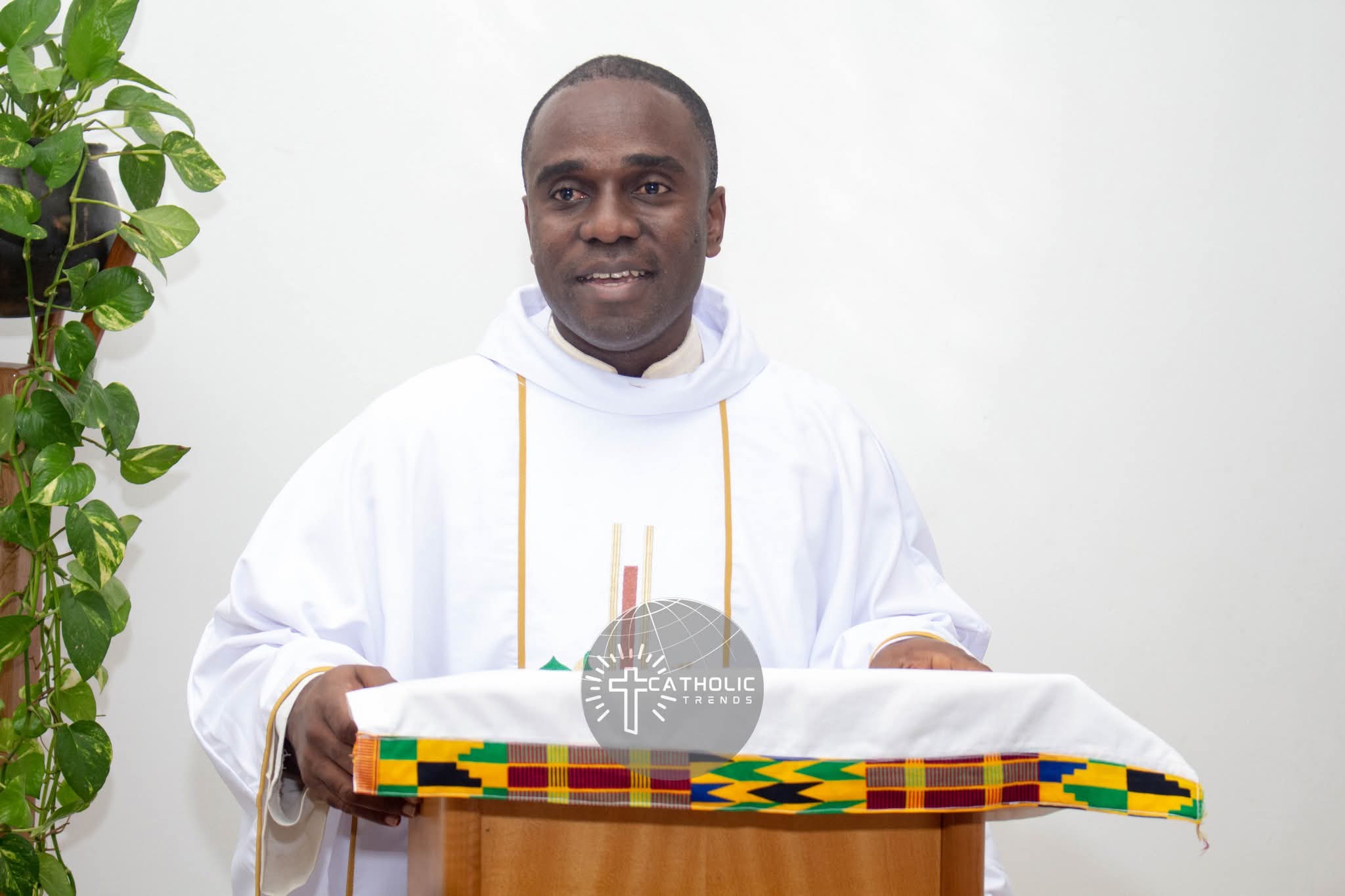
A renewed conversation about the meaning and practice of confession has emerged on social media after comments by Fr. Prince Chidi Philip, a Nigerian priest serving in Haiti, sparked diverse reactions among fellow clergy and the faithful.
Fr. Philip’s posts on the sacrament of confession drew both affirmation and criticism from priests and lay commentators. Some supported his views, while others raised concerns about the pastoral and theological implications of his remarks.
Weighing in on the discussion, Fr. Hanson stressed that unity in the Church goes beyond simply gathering around the chalice. According to him, true unity must be rooted in a shared understanding of the will of God.
He cautioned against reducing confession to a routine act of “telling sins to God through the priest” without deeper reflection on repentance and atonement. Such a superficial approach, he suggested, risks weakening the spiritual purpose of the sacrament.
Fr. Hanson pointed to the example of St. Padre Pio, who was known to spend long hours in the confessional, carefully listening, questioning, and guiding penitents. He noted that the saint sometimes refused absolution to those who were not properly disposed, whether in attitude or preparation.
He also raised a moral and pastoral dilemma: what happens when a penitent is advised to keep a serious wrongdoing secret, only for the truth to surface later, possibly threatening a marriage or family? In such cases, he questioned how the offended party might react upon learning that the priest had urged silence.
While emphasizing that priests are bound by the seal of confession and cannot disclose what is heard, Fr. Hanson maintained that the goal should always be to guide the penitent toward truth, reconciliation, and genuine peace.
He concluded by warning against interpreting God’s will merely through contemporary attitudes or conveniences, urging a return to deeper teaching on atonement and responsibility.
The online exchange continues to draw attention, highlighting ongoing conversations within the Church about the pastoral practice of confession and the balance between mercy, truth, and accountability.







Discussion about this post