


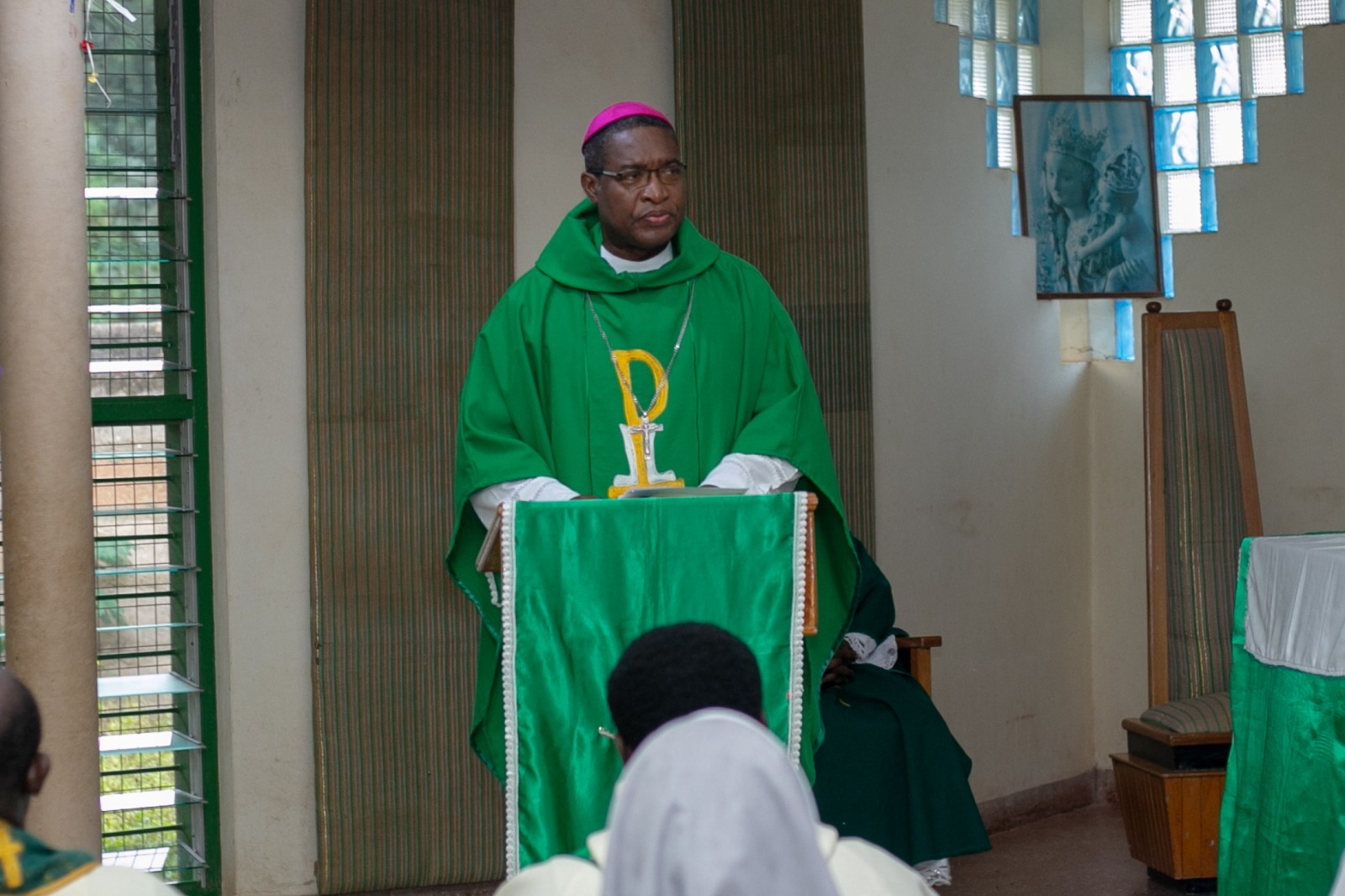
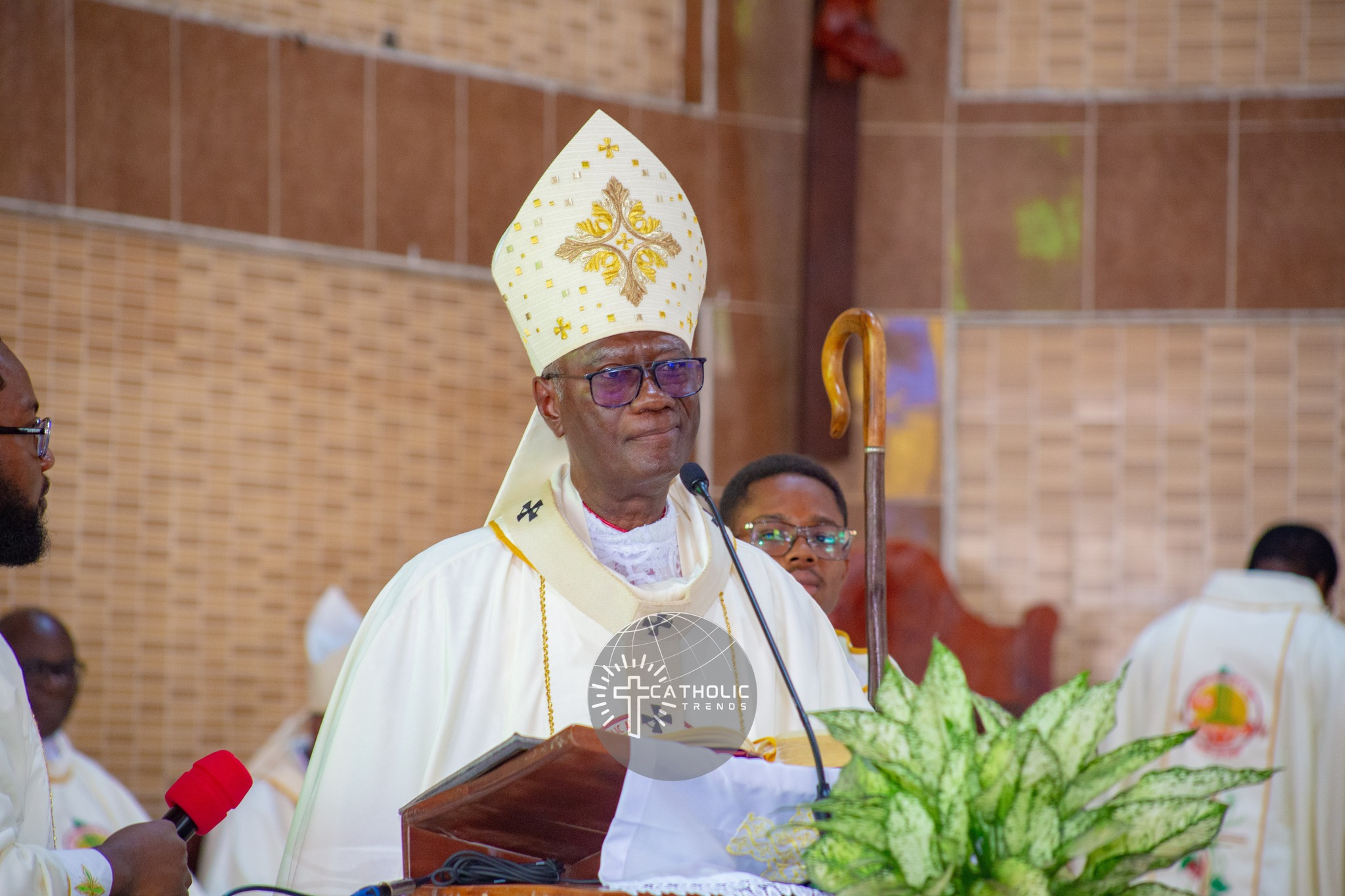
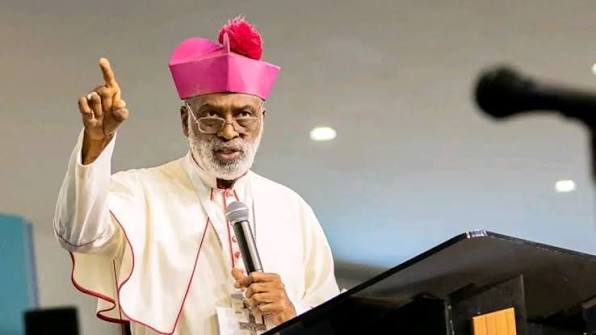
The Catholic Archbishop of Kumasi, Ghana, Most Rev. Gabriel Justice Yaw Anokye, has called on African leaders to safeguard the continent’s moral and cultural foundations, warning that development without ethical grounding risks eroding human dignity.
Addressing delegates at the 4th African Inter-Parliamentary Conference on Family Values in Ghana, Archbishop Anokye stressed that Africa’s strength lies in its deeply rooted spiritual and cultural traditions.
“These traditions must not be discarded in the name of modernity,” he said.
The Archbishop cautioned that “modernization without moral grounding can produce sophisticated forms of dehumanization,” urging African societies to pursue progress without losing their moral identity.
He warned against what he described as a growing crisis of cultural self-doubt, noting that “one of the greatest dangers confronting developing societies today is not simply economic dependency, but cultural and intellectual dependency.”
According to him, Africa must engage the global community “confidently, critically, and creatively without surrendering the values that sustain social cohesion and human dignity.”
Highlighting the role of faith communities, Archbishop Anokye said religious institutions remain indispensable in shaping society, particularly among young people.
“They help societies preserve moral memory,” he said, adding that they remind nations “that the human person possesses transcendent worth beyond economic productivity or political utility.”
Turning to governance, the Kumasi Archbishop underscored the limits of legislation in shaping moral character.
“Values cannot be legislated into the human heart by force,” he stated.
However, he acknowledged the powerful role of public policy in influencing societal norms, explaining that “every law teaches” and “every national budget reveals moral priorities.”
Referencing Ghana’s ongoing national debate on the Promotion of Proper Human Sexual Rights and Ghanaian Family Values Bill, Archbishop Anokye noted the divergent perspectives surrounding the legislation, which has drawn both strong support and criticism.
On the role of young people, he called for a shift in perception and inclusion.
“The youth are not challenges,” he said. “The youth can and they have to be made partakers, decision makers of their future.”
The conference brought together policymakers, religious leaders and cultural advocates from across the continent to deliberate on the protection and promotion of family values in Africa.





Discussion about this post