


The two-year pilot project was launched on October 8 at the headquarters of the Episcopal Conference of Ivory Coast (CECCI) in Abidjan-Cocody by the Symposium of Episcopal Conferences of Africa and Madagascar (SECAM).
The initiative will collect data on the Catholic population, Church personnel and institutions, including dioceses, parishes, schools, health facilities, orphanages and shelters.
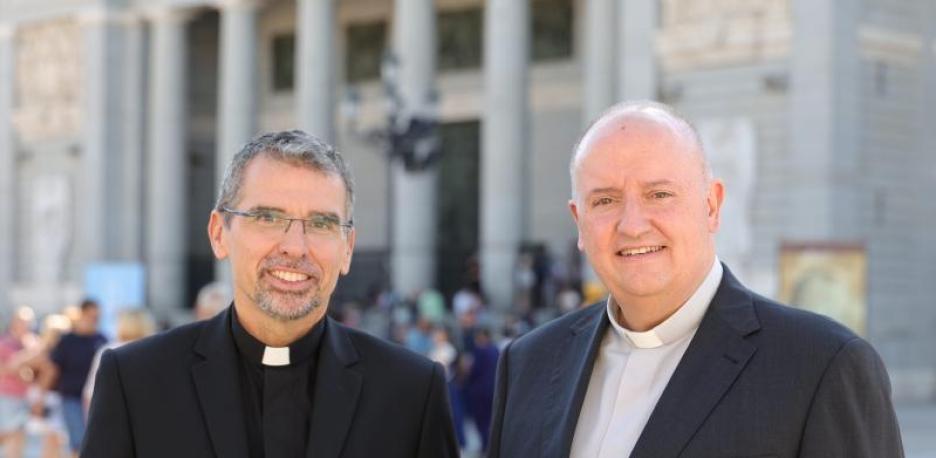
SECAM Secretary General, Fr Rafael Simbine Junior, stressed the importance of the pilot phase, saying its success would help equip the Church in Africa with a reliable tool for understanding its resources, structures and needs.
The information is expected to support decisions on pastoral priorities and the organisation of Church activities.
Fr Zéphirin Moubé, SECAM’s First Deputy Secretary General in charge of evangelisation, said the initiative would also help the Church communicate its realities more effectively to its own communities, external partners and the Holy See.
He explained that the exercise would go beyond a statistical census to become a tool for supporting the Church’s evangelising mission.
Ghana and Ivory Coast were selected for the pilot phase because of their geographical proximity and existing cooperation.
The first phase will test methods for collecting and analysing information, with the findings expected to guide the initiative’s expansion to other African countries.
Fr Émile Kélignon, Secretary General of CECCI, welcomed the project, highlighting its importance for planning and organising Church activities.
He also called on Ghana and Ivory Coast to take responsibility for the success of the pilot, noting that its effectiveness would depend on their commitment to providing relevant and reliable information.
Six Religious Sisters, three in each country, will carry out the data collection.
The initiative will focus on five priority areas: human resources and the Catholic population, Church structures, education, health and social services.
The data will cover Church personnel, including bishops, priests, Religious and catechists, as well as dioceses, parishes, schools, health facilities, orphanages and shelters.
By gathering this information systematically, SECAM hopes to strengthen the Church’s ability to assess its situation, identify needs and set priorities based on reliable evidence.
The lessons from the two-year pilot are expected to inform the gradual extension of the initiative to other African countries, giving the Church a clearer picture of its presence and institutional capacity across the continent.





Discussion about this post