


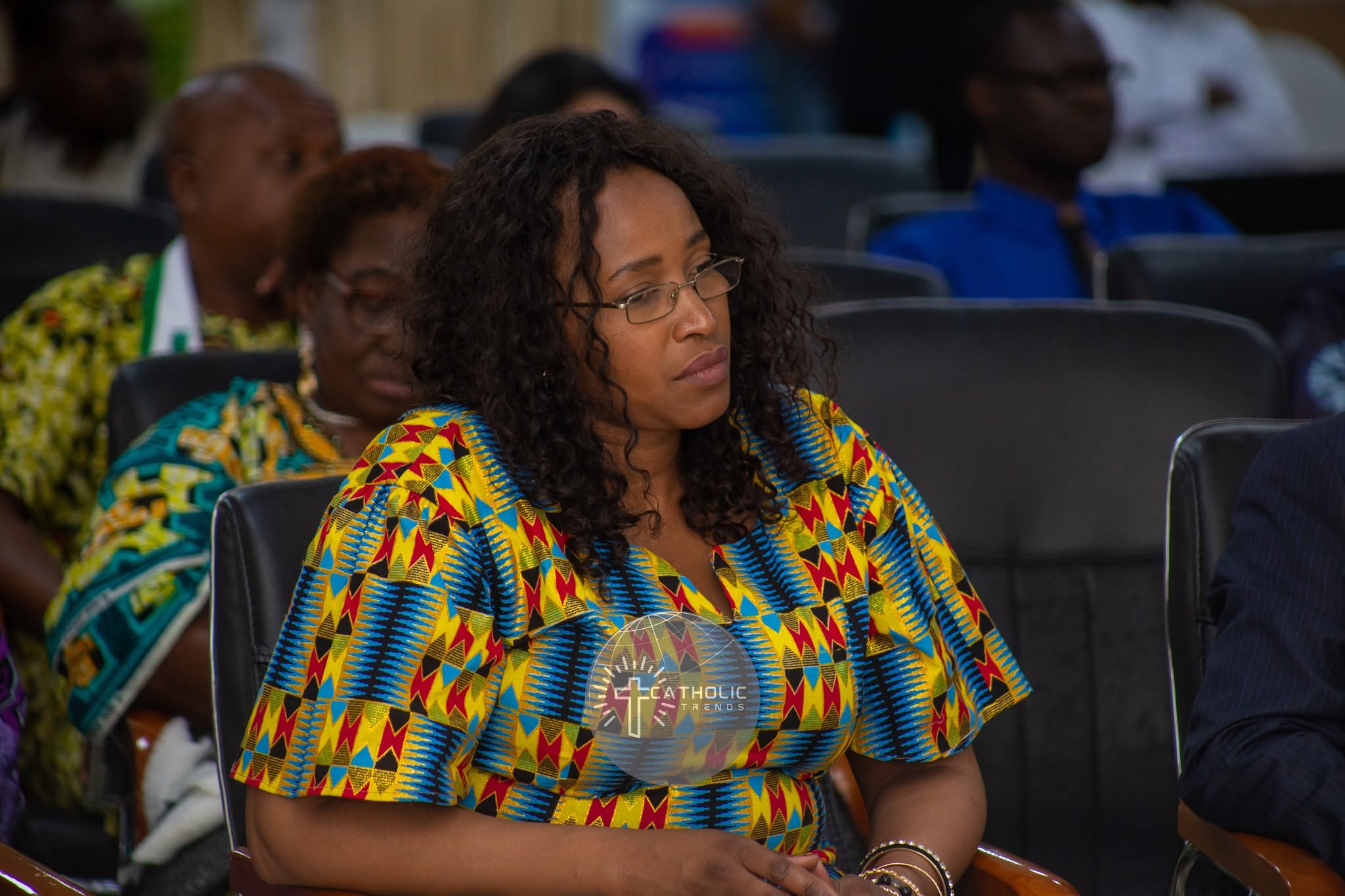
She noted that the African Church had already made progress in using digital platforms to communicate about synodality, pointing to the growing number of podcasts and other digital programmes dedicated to the subject.
“I believe that the digital space is one way of evangelising and the Church in Africa has made great strides in doing this,” Pires said.
“We have in some parts of Africa where there are series, there are podcasts being created all about synodality.”
She encouraged Catholic communicators and Church institutions across the continent to build on these initiatives and continue using digital spaces to accompany the Church’s synodal journey.
Her call comes as African bishops and other representatives prepare for the next stages of the continental process leading to the 2028 Ecclesial Assembly in Rome.
She said digital communication should not simply be viewed as a means of disseminating information, but as a tool for evangelisation and formation, helping Catholics understand what synodality means and how it should shape the life of the Church.
“My call is that we continue to use these spaces to promote synodality as we journey towards the Ecclesial Assembly,” she said.
However, Pires stressed that digital engagement must be accompanied by a deeper transformation in the way Catholics understand their participation in the Church.
She emphasised that synodality cannot be reduced to Church programmes, meetings or communication strategies, but requires the participation and shared responsibility of the entire Church.
“At the same time, also to remember that synodality is about all of us,” she said. “Synodality is about co-responsibility.”
For Pires, genuine co-responsibility requires a change in attitude and a renewed understanding of what it means to be Church.
“And for co-responsibility to exist it means that we have to have a conversion of spirit, a conversion of how we are Church,” she said.






Discussion about this post